
ESIC clarifies HUNDEN’s two-year ban for integrity breach, explores case reopening, and provides esports ethics insights
The Core Violation: Strategic Leak and ESIC’s Rationale
The Esports Integrity Commission (ESIC) has provided detailed justification for the significant two-year competitive ban issued to Counter-Strike coach Nicolai ‘HUNDEN’ Petersen. This sanction stems from a serious breach of confidentiality where HUNDEN shared internal strategic documents from his then-team, Heroic, with a rival organization.
The violation occurred during sensitive career negotiations ahead of the IEM Cologne tournament, marking the first major international LAN event post-pandemic, which amplified the severity of the act in ESIC’s view.
ESIC’s investigation concluded that by transferring proprietary team strategies while discussing a move to a competitor, HUNDEN’s actions directly endangered the competitive fairness of the upcoming event. The commission identified three primary areas of harm: the integrity of the ESL-member tournament itself, the reputation of the member organization (Heroic), and the broader credibility of esports. This trifecta of risk moved the case beyond a simple internal employment dispute into the realm of competitive integrity enforcement.
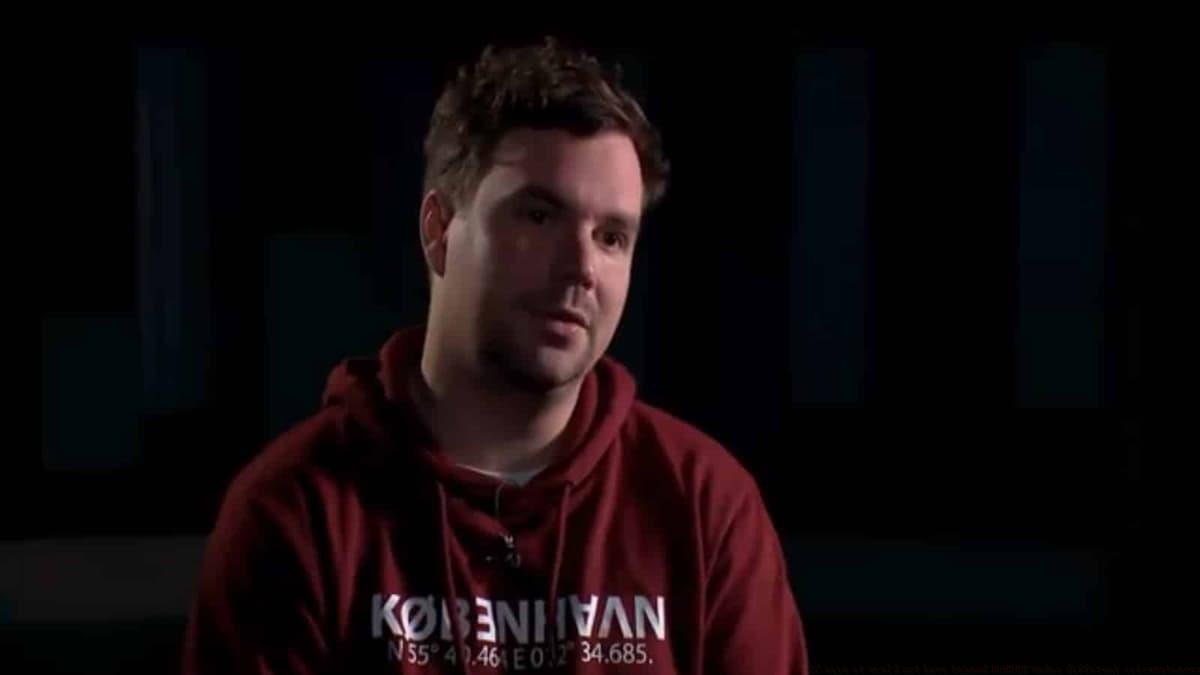 TV 2 SPORT
The timing of the leak, just before a premier LAN event, is a key factor in the lengthy suspension. ESIC emphasized that the specific context—the transfer of actionable tactical intelligence immediately before a high-stakes tournament involving both affected teams—created an exceptional circumstance warranting their direct intervention. In standard contract disputes, ESIC typically remains uninvolved. However, the potential for the leaked information to influence match outcomes and undermine viewer trust in the event’s legitimacy triggered their disciplinary protocol. A common mistake for professionals is underestimating how sensitive pre-tournament preparations are; even informal discussions can cross ethical boundaries.
Comparing Offenses: Spectator Bug vs. Information Leak
A point of public contention has been comparing the one-year ban HUNDEN received for the spectator bug exploit to this two-year term for leaking information. Many in the community perceive real-time cheating via a bug as more egregious than sharing documents. ESIC’s framework, however, evaluates these as fundamentally different categories of violation. The spectator bug case was a widespread issue affecting multiple coaches, handled with a comparative sanctioning model to ensure consistency across many offenders. The strategic leak, conversely, is viewed as a deliberate, premeditated act threatening a specific tournament’s core integrity, thus requiring a precedent-setting standalone sanction.
ESIC stated unequivocally that it treats any threat to a member event’s integrity with utmost seriousness. HUNDEN’s conduct was seen not just as a potential spoiler for one match, but as an action that could taint the entire IEM Cologne event’s credibility. This focus on protecting the ecosystem’s trust, rather than just punishing an individual cheat, guides their sentencing. For advanced players and coaches, this highlights a critical distinction: ESIC’s penalties scale based on the perceived threat to the *system*, not solely on the technical nature of the offense. A lesson here is that actions which risk widespread reputational damage to tournaments can carry heavier sanctions than some in-game exploits.
Regarding his status as a repeat offender, ESIC clarified that while HUNDEN’s prior misconduct was acknowledged, it was formally excluded from the sanction calculation due to a plea bargain arrangement. This legal mechanism incentivizes accepting responsibility by offering a penalty cap. The critical insight for professionals is that rejecting such a deal carries risk; ESIC indicated an appeal could have led the Independent Appeal Panel to impose a more severe penalty, potentially factoring in his history. This underscores the importance of skilled legal guidance in integrity proceedings.
Reopening Old Wounds: The Spectator Bug Case Revisited
In a separate development, HUNDEN recanted his initial solitary-guilt narrative regarding the spectator bug, alleging that certain Heroic players were aware of his actions. Analyst Jacob ‘Pimp’ Winneche suggested this revised account is credible based on evidence reported by TV2.dk. This poses a complex challenge for ESIC, as reopened investigations require meticulous verification to ensure fair outcomes for all parties.
ESIC’s official position is one of cautious openness. The commission confirmed that while no formal evidence from Pimp or TV2.dk has been submitted to them yet, they stand ready to investigate any substantiated new information. Their statement, “ESIC is awaiting any evidence from any source that would enable ESIC to proceed,” highlights a standard procedural hurdle: allegations alone are insufficient. For a case to be formally reopened, ESIC requires documented, verifiable proof that meets their investigative standards. A common mistake is assuming public allegations automatically trigger a review; the burden of proof lies with those bringing forth new claims.
RaKai banned on Twitch for “illegal activities” but it’s not for 2 years
Counter-Strike players allegedly created a fake pro LoL team to rig matches
Player accused of using “illegal ways to gain advantage” in Counter-Strike Grand Final
Lessons for the Esports Ecosystem
The HUNDEN case provides several critical takeaways for coaches, players, and organizations navigating the professional esports landscape.
For Teams & Coaches: Establish clear, written confidentiality protocols, especially regarding strategic materials. All employment contracts and team agreements should explicitly forbid the sharing of proprietary information with external parties, with defined penalties. During career transitions, cease access to sensitive documents immediately upon entering negotiations with competitors.
Understanding ESIC’s Mandate: Recognize that ESIC’s primary mandate is to safeguard the integrity of member events. Actions that directly threaten the fair outcome or perceived legitimacy of a tournament—like pre-event strategic leaks—will be treated with extreme severity, potentially more so than historical mass-enforcement actions like the coach bug.
Legal Strategy: If facing ESIC charges, engage legal counsel experienced in esports integrity matters. The plea bargain process can significantly impact the final sanction, as seen here where it effectively shielded HUNDEN from an enhanced penalty for being a repeat offender.
This ruling sets a clear precedent: the esports ecosystem will defend its competitive integrity vigorously, and the consequences for undermining it, particularly before landmark events, are substantial and lasting.
No reproduction without permission:SeeYouSoon Game Club » ESIC says it would not have banned HUNDEN under different circumstances ESIC clarifies HUNDEN's two-year ban for integrity breach, explores case reopening, and provides esports ethics insights