
Master EA FC 26 youth development with proven strategies, common pitfalls, and actionable training methods
Introduction to Youth Development Systems
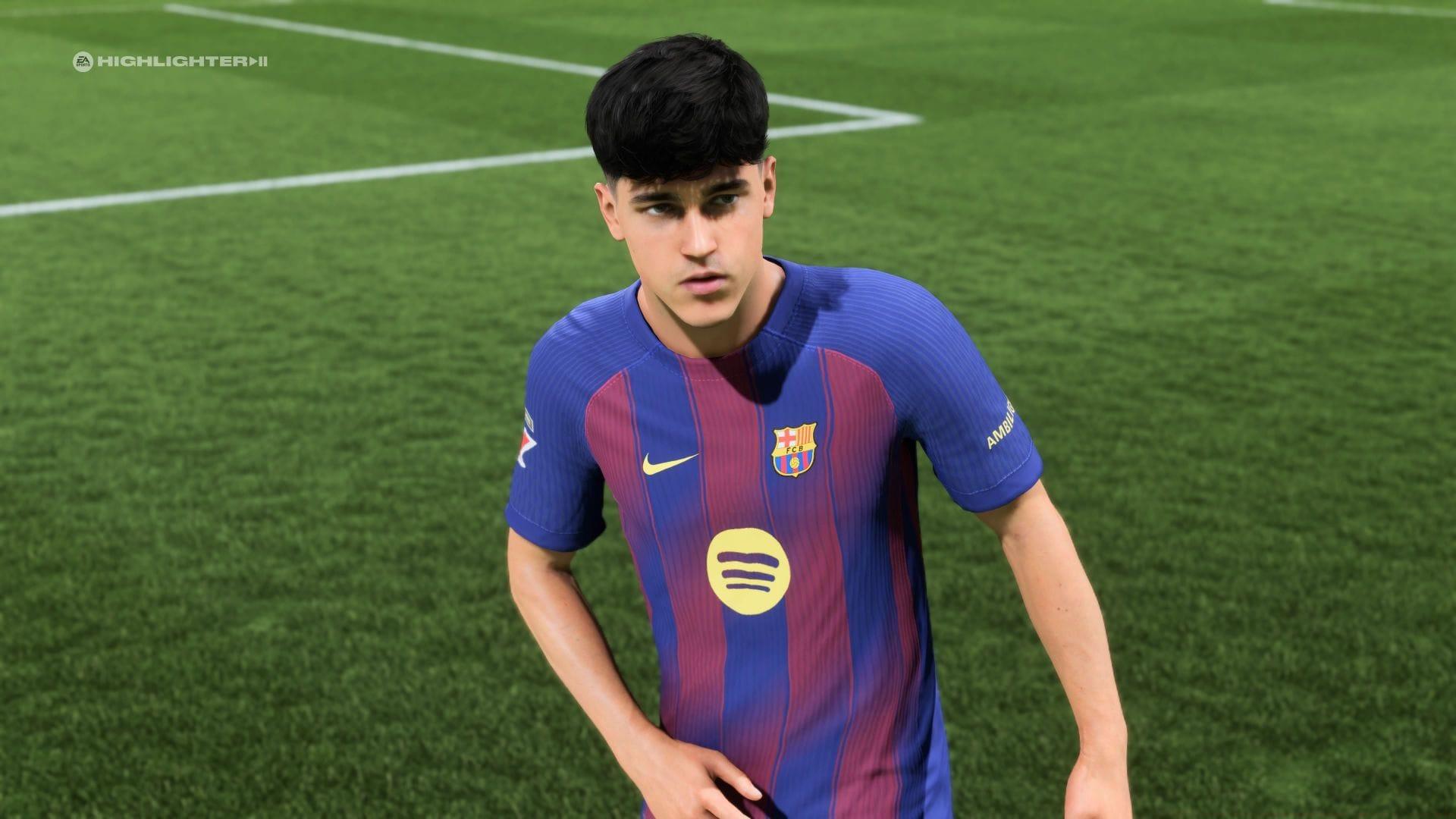
Cultivating emerging talent represents the cornerstone of sustainable success in EA FC 26 Career Mode. Whether steering an elite European powerhouse or orchestrating an ambitious Road to Glory campaign, properly nurturing your academy prospects guarantees both sporting excellence and financial stability. Transforming raw potential into elite performers demands far more than simple squad inclusion—it requires sophisticated training methodologies, strategic match exposure, and systematic growth optimization that separates top managers from average ones.
Game Time Optimization Strategies
Strategic Playing Time Allocation: Young talents experience accelerated development when receiving consistent match minutes. Implement rotational strategies that deploy prospects in cup competitions, late-game substitutions, or starting roles against weaker opposition. Performance ratings critically influence growth velocity—achieving match ratings above 7.0 typically triggers substantial attribute boosts. Avoid throwing youngsters into high-pressure derbies or crucial knockout matches until they’ve gained sufficient experience.
Progressive Integration System: Begin with 15-20 minute substitute appearances in winnable matches, gradually increasing to full starts against mid-table opponents. Monitor stamina levels closely—fatigued players underperform and develop slower. Ideal rotation sees youth players starting 30-40% of matches while appearing as substitutes in another 25%, ensuring they remain fresh while accumulating valuable experience.
Development Plan Implementation
Tailored Development Pathways: Utilize specialized development plans to precision-tune player growth. Deploying wingers on “Inside Forward” regimens enhances finishing and dribbling capabilities, while midfielders assigned to “Playmaker” programs see passing and vision attributes surge. These plans also progressively improve weak foot proficiency and skill move capabilities—critical for creating versatile attackers. Select plans that complement your tactical philosophy rather than generic improvements.
Attribute Prioritization Strategy: Focus development plans on attributes that align with both the player’s natural position and your tactical requirements. For defensive prospects, prioritize tackling and positioning before secondary attributes. Attackers should develop key stats like finishing, composure, and ball control. Avoid spreading development too thin across multiple attributes—concentrated growth yields faster overall improvement.
Training and Sharpness Management
Optimal Sharpness Maintenance: Elevated match sharpness directly correlates with in-game performance quality and development acceleration. Structured weekly training sessions, when simulated effectively, sustain sharpness levels while managing fitness. Implement a balanced approach between intense drills and recovery periods—overtraining leads to fatigue accumulation, injuries, and stunted development. Target sharpness levels between 85-95% for optimal performance and growth.
Training Session Optimization: Schedule two focused training sessions weekly during normal fixture periods, reducing to one session during congested schedules. Prioritize drills that develop multiple attributes simultaneously for efficiency. Monitor individual player fatigue—when stamina drops below 70%, consider additional rest or light training days. Proper periodization prevents burnout while maximizing development windows.
Loan System Mastery
Strategic Loan Placement: Temporary transfers provide competitive match exposure that prospects might not receive at your club. Carefully select loan destinations where players will secure regular starting opportunities—avoid clubs with excessive depth in their position. Target leagues with appropriate competitive levels; sending elite prospects to weaker leagues often yields higher match ratings and faster development. Always include recall options in loan agreements for flexibility.
Loan Destination Analysis: Research potential loan clubs by examining their squad depth, tactical system compatibility, and league competitiveness. Ideal loan spells see players starting 70%+ of available matches in competitive leagues. Monitor loaned players monthly—if they’re not playing regularly, exercise recall options promptly. Successful loan spells typically boost overall ratings by 3-5 points per season.
Advanced Development Mechanics
Dynamic Potential Exploitation: EA FC 26 maintains the dynamic potential system, enabling young players to exceed their initial potential ceilings through exceptional performance. A 70-rated teenage prospect scoring regularly or earning high match ratings can surge into the mid-80s despite originally projected to peak in the late-70s. This mechanic rewards consistent high performance over multiple seasons rather than sporadic excellence.
Morale and Role Management: Content players develop at accelerated rates. Accurately assign appropriate squad roles—Prospect, Rotation, or Important—while consistently fulfilling promises regarding playing time or contract improvements. Position conversion training can unlock hidden statistical advantages; retraining fullbacks with strong attacking attributes as wingers often creates devastating wide players. Such conversions typically yield 4-8 overall rating improvements when executed properly.
Common Development Mistakes
Avoidable Development Pitfalls: Many managers hinder youth development through common errors: overplaying prospects in high-pressure situations, neglecting sharpness management, implementing mismatched development plans, and poor loan placement decisions. Rushing development by forcing 16-year-olds into starting lineups often backfires—progressive integration yields superior long-term results. Another critical mistake is ignoring player morale; unhappy talents develop significantly slower regardless of playing time.
Recovery Strategies: When development stalls, reassess training负荷, adjust squad roles, or arrange short-term loans to reignite growth. Players experiencing prolonged poor form may benefit from specialized individual training focused on confidence-building attributes. Never discard prospects after one poor season—dynamic potential allows for remarkable comebacks with proper management adjustments.
No reproduction without permission:SeeYouSoon Game Club » EA FC 26 Guide: How to develop young players quickly in Career Mode? Master EA FC 26 youth development with proven strategies, common pitfalls, and actionable training methods