
Dream defends minimalist merch strategy while revealing ambitious production plans
The Branding Philosophy Behind Dream’s Merch
Minecraft sensation Dream has openly addressed fan critiques about his merchandise’s minimalist aesthetic, revealing the deliberate strategy behind his signature smiley-face designs. The YouTube star, known for his ‘Minecraft Manhunt’ series and Dream SMP server, built his visual identity around simplicity from day one.
Dream’s merchandise philosophy centers on accessibility and recognizability, with designs that even non-fans might appreciate.
The creator’s journey from MS Paint doodles to full merchandise lines demonstrates how digital personalities translate online personas into physical products. “My YouTube profile picture was literally created in Paint,” Dream noted, emphasizing consistency across his brand touchpoints. This approach has drawn both praise and criticism, with some fans expecting more elaborate designs from such a popular creator.
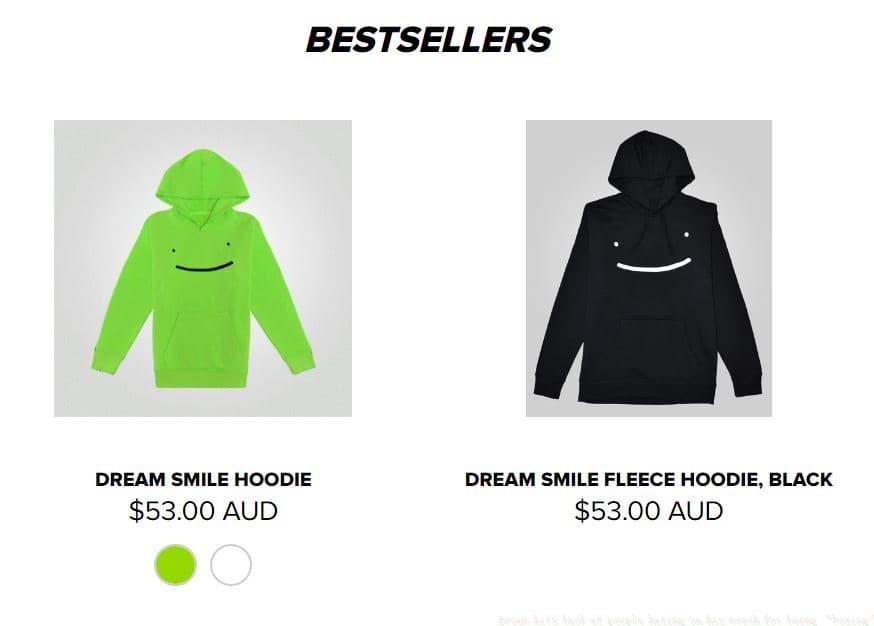 Dream Shop
The evolution of Dream’s merchandise reflects his growing brand ecosystem. Industry experts suggest minimalist designs actually perform better for daily wear, as they don’t immediately identify the wearer as a fan, making them more versatile. This strategic subtlety allows fans to show support without feeling overly “branded” in public spaces.
Building a Merch Empire From Scratch
Behind the simple designs lies an unexpectedly complex production operation. Dream revealed surprising details about establishing his own manufacturing infrastructure during the pandemic, going far beyond typical creator merchandise setups.
“Most creators use third-party print-on-demand services, but I wanted complete control over quality and fulfillment,” Dream explained, detailing his six-figure investment in physical infrastructure.
This included purchasing a dedicated facility, industrial printing equipment, and establishing ethical employment practices—an unusual move for individual creators. The Shopify mention that drew criticism was merely the storefront component of a much larger operation.
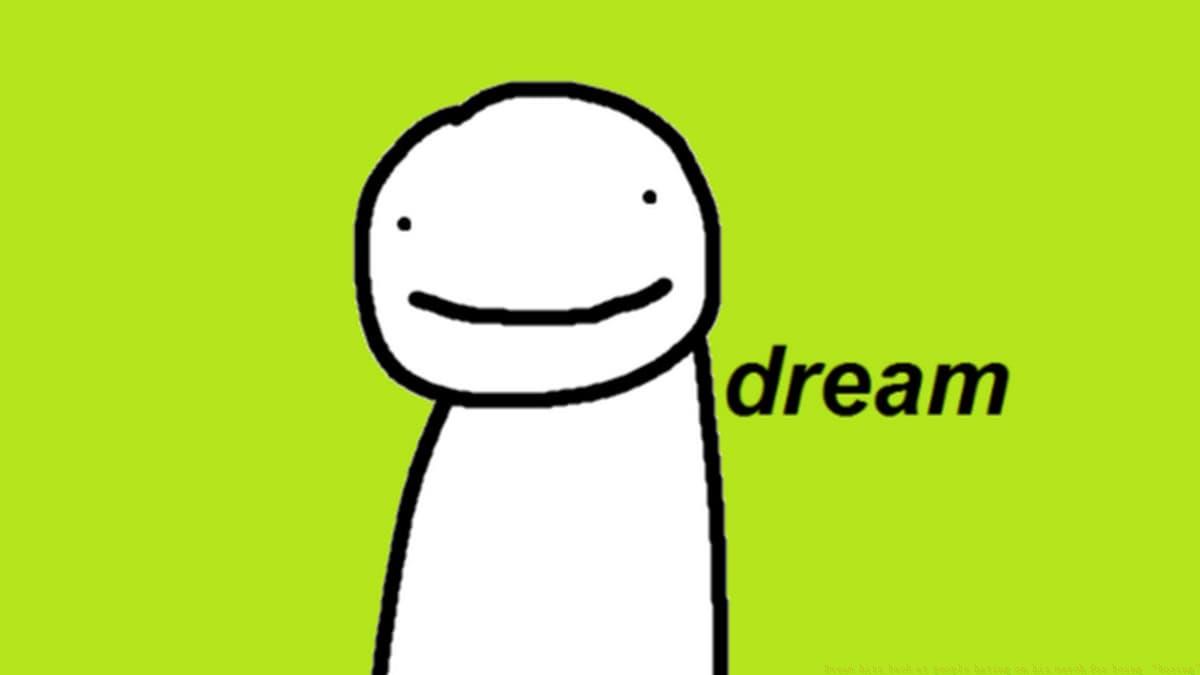 YouTube: Dream
Dream’s production facility represents a new model for creator merchandise. For aspiring creators considering merchandise, Dream’s approach offers valuable lessons: Starting simple allows for quality control before scaling, and vertical integration provides better profit margins long-term. However, it requires significant upfront investment—Dream’s path isn’t feasible for everyone.
Future Plans and Milestone Designs
While committed to his signature aesthetic, Dream teased upcoming “milestone” designs that will break from his usual simplicity. These special editions, tied to subscriber achievements or other significant events, will showcase more elaborate artwork while maintaining brand cohesion.
The 19 million subscriber campaign hints at how Dream plans to leverage community excitement for special releases.
This tiered approach—simple core collection plus limited editions—mirrors strategies used by streetwear brands to maintain accessibility while offering collectibles for dedicated fans. “The smile logo works because it’s universally positive,” Dream noted, explaining why his basic designs resonate across demographics. For content creators developing merchandise lines, Dream’s experience demonstrates the importance of:
- Establishing clear brand identity before expanding
- Balancing everyday wear with special items
- Building infrastructure that can scale with success
As Dream approaches 20 million subscribers, fans eagerly await what he’s described as “unbelievable” designs that will push his merchandise in new directions.
No reproduction without permission:SeeYouSoon Game Club » Dream hits back at people hating on his merch for being “boring” Dream defends minimalist merch strategy while revealing ambitious production plans