
TL;DR
- Multiple heroes have critical bugs making them unplayable in ranked matches
- Some bugs create exploitable advantages for temporary competitive edge
- Understanding bug mechanics helps avoid game-losing situations
- Strategic drafting around known issues can maximize win probability
- Regular patch monitoring essential as Valve releases hotfixes
Games and Esports Articles
The monumental Dota 2 patch 7.36 arrived alongside Crownfall’s second chapter, fundamentally transforming gameplay by introducing innate abilities and facets for all 124 heroes. This sweeping mechanical overhaul inevitably spawned numerous technical issues that dramatically impact hero viability and match outcomes. Community reports began flooding in immediately after deployment, highlighting critical problems that every competitive player must understand.
We’ve curated the most impactful bugs while excluding minor visual glitches. Additional undiscovered issues likely exist, and Valve may have already addressed some problems through silent updates. Our comprehensive tracking ensures you stay informed as new developments emerge.
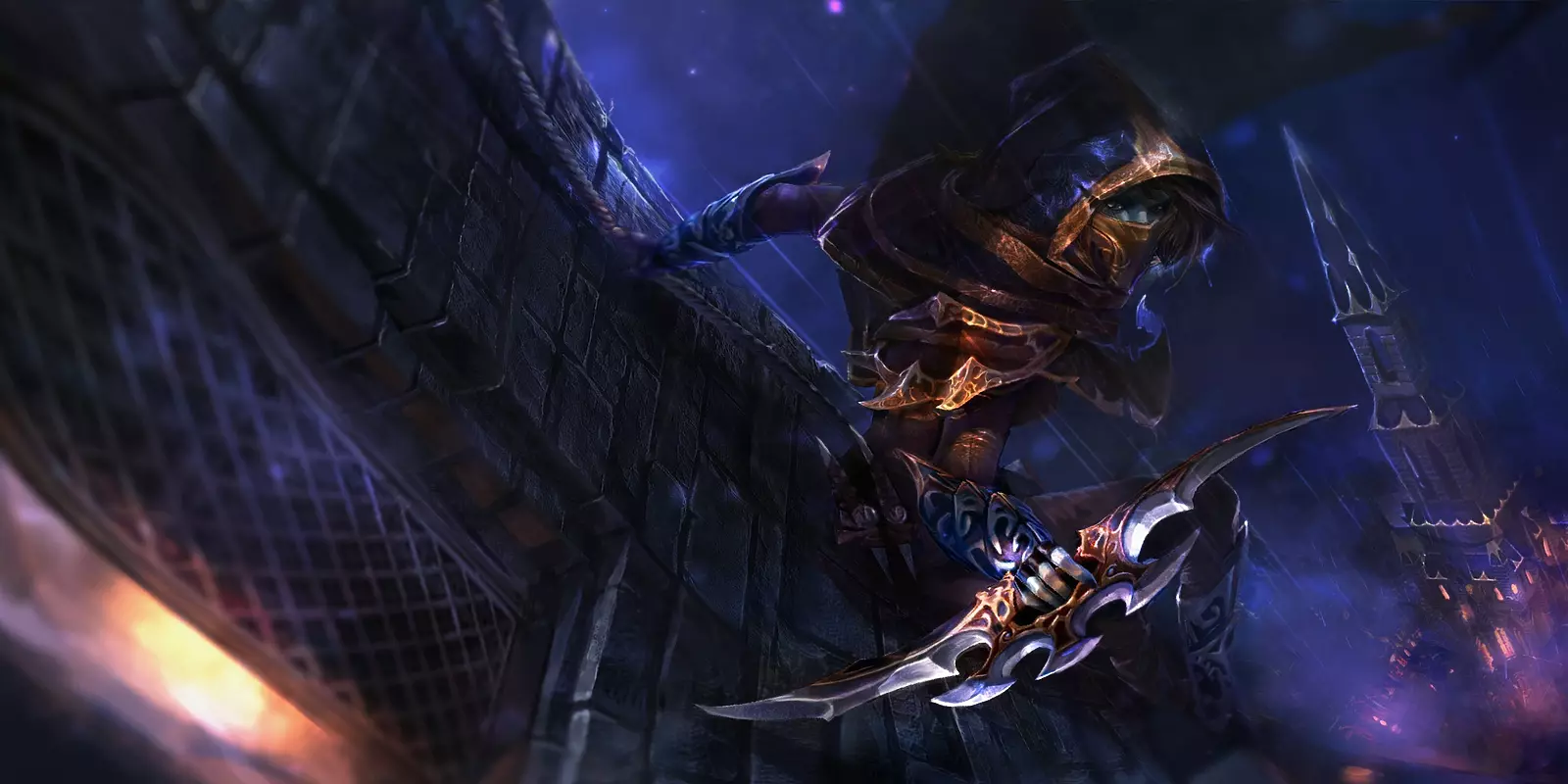
Several heroes suffer from catastrophic bugs that render them practically unplayable in serious matches. These aren’t mere inconveniences but fundamental breakdowns in core mechanics that can single-handedly lose games.
Lone Druid’s Unbearable Facet represents one of the most severe issues. Instead of enhancing the Spirit Bear’s damage output as intended, this facet actually reduces the bear’s attack power, creating a devastating reverse effect that cripples the hero’s entire gameplay identity.
Rubick’s Plague Ward interaction completely fails when stealing Venomancer’s ability with the Plague Carrier Facet. The Grand Magus places completely non-functional, invisible, and untargetable wards on allies, wasting precious spell steals and creating dead ability slots.
Necrophos’s aura bug creates an unintended massive area of effect increase for items when combining Sadist Innate with Profane Potency Facet, though this may provide temporary advantage in specific scenarios.
All new broken and unusual hero-item interactions of Dota 2 Patch 7.36
Strategic implications unfolding.
Dota 2 Patch 7.36 Notable Bugs and Strategic Opportunities
While many bugs create disadvantages, several present exploitable scenarios that knowledgeable players can leverage until fixes arrive. Understanding these temporary advantages requires careful risk assessment.
- Bloodseeker: Sanguivore’s health restoration falls significantly short of tooltip values, potentially misleading players about survivability calculations during critical engagements.
- Bounty Hunter: Cutpurse Facet fails to trigger when applying Track to already-affected targets, reducing gold generation potential in extended fights.
- Bristleback: Berserk Facet unexpectedly amplifies both attack speed and damage for Warpath stacks, creating stronger late-game scaling than intended.
- Dragon Knight: Corrosive Dragon Facet neglects structure damage while in dragon form, reducing siege capability during key push timing windows.
- Drow Ranger: Sidestep Facet interaction causes Multishot to fire in reversed directions when moving off Glacier, creating unpredictable teamfight outcomes.
- Drow Ranger: Multishot immediately cancels when activating Glacier with Sidestep Facet, disrupting carefully planned engagement sequences.
- Legion Commander: Stonehall Plate Facet generates substantially more shield from Overwhelming Odds when damaging illusions, potentially enabling unexpected survivability against certain lineups.
- Lina: The level 25 critical strike talent against Dragon Slave-affected targets remains completely non-functional, eliminating a significant power spike.

Delving deeper into specific hero mechanics reveals nuanced workarounds and strategic adaptations that can mitigate bug-related disadvantages.
- Meepo: Ultimate ability leveling shifts unexpectedly to levels 18 and 25 instead of the standard 17 and 24 progression, disrupting precise power curve planning.
- Necrophos: The combination of Sadist Innate with Profane Potency Facet creates an enormously expanded area of effect for item auras (detailed analysis available here), presenting both challenge and opportunity depending on itemization choices.
- Rubick: Plague Ward theft with Plague Carrier Facet produces completely non-functional units that provide zero tactical value while consuming valuable spell steal opportunities.
- Silencer: Brain Drain’s intelligence steal fails to upgrade from 2 to 4 with Aghanim’s Shard, reducing the hero’s scaling potential in prolonged matches.
- Timbersaw: Exposure Therapy innate ability fails to restore mana as described, crippling the hero’s sustainability in lane and during teamfight sequences.
- Venomancer: The level 25 talent bonus damage and health fail to apply to Plague Wards, significantly reducing late-game area control and defensive capabilities.
- Void Spirit: Intrinsic Edge innate ability provides none of its advertised statistical bonuses, fundamentally undermining the hero’s core design.
- Warlock: Shadow Word’s area of effect functionality completely fails after Aghanim’s Shard upgrade, eliminating a key teamfight utility tool.
- Windranger: Whirlwind Facet incorrectly resets Focus Fire duration upon enemy hero eliminations, disrupting sustained damage output patterns.
Strategic drafting becomes paramount when navigating these mechanical landmines. Consider pairing bug-affected heroes with reliable supports who can compensate for their dysfunctional abilities through complementary playstyles and item builds.
Valve releases Crownfall Act 2 Deserts of Druud, continuing story of Venge and Skywrath Mage
Successfully navigating patch 7.36 requires proactive bug management rather than reactive frustration. Implement these strategic approaches to maintain competitive edge despite technical challenges.
Daily Patch Monitoring: Valve frequently deploys silent hotfixes that address critical issues without formal announcement. Regularly test suspected bugs in demo mode to verify current status before committing to ranked matches.
Adaptive Drafting: When your preferred hero suffers from game-breaking bugs, have prepared alternatives ready. Understanding multiple heroes at your skill level provides crucial flexibility when core picks become temporarily unviable.
Communication Protocols: When playing with teammates, clearly communicate known bug limitations and coordinate compensatory strategies during the drafting phase rather than discovering issues mid-game.
Exploitation Ethics: While some bugs create temporary advantages, consider the long-term health of your account and the gaming community. Excessive exploitation of clearly unintended mechanics may violate Valve’s terms of service and result in disciplinary action.
Remember that while understanding these bugs provides tactical advantage, the most successful players adapt their strategies around current game state rather than relying on potentially temporary unintended interactions.
Action Checklist
- Test suspected hero bugs in demo mode before ranked matches
- Avoid drafting Lone Druid, Rubick, and Void Spirit until fixes confirmed
- Monitor patch notes and community forums for hotfix announcements
- Adapt item builds to compensate for bugged abilities on affected heroes
- Report newly discovered bugs through official Dota 2 channels
- Coordinate with teammates about bug limitations during draft phase
No reproduction without permission:SeeYouSoon Game Club » Dota 2 patch 7.36 bugs and exploits: What heroes to abuse or avoid in patch 7.36? Legion Commander, Lone Druid, Timbersaw and more Essential guide to Dota 2 patch 7.36 bugs: Which heroes to exploit or avoid for maximum advantage