
Comprehensive analysis of Dota 2 7.39 patch changes with strategic insights for competitive play
Patch Overview and Core System Changes
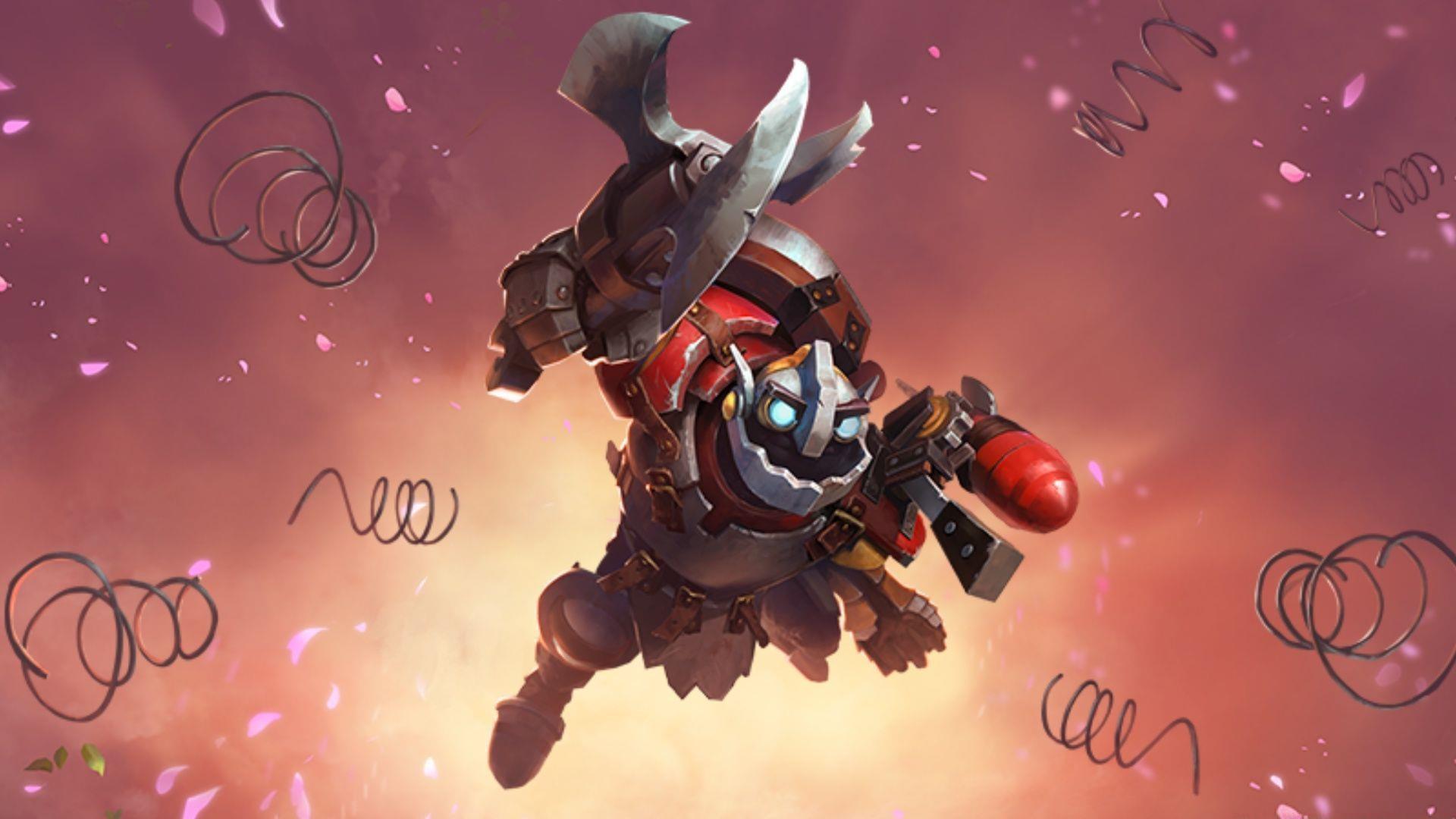
The latest Dota 2 update brings transformative adjustments that will reshape competitive strategies. Beyond the typical balance tweaks, this patch introduces fundamental system overhauls that demand immediate adaptation from players at all skill levels.
Map Layout Adjustments
Extensive terrain modifications affect both Radiant and Dire sides, with particular focus on lane equilibrium and jungle pathing. The Radiant safe lane experiences significant tree rearrangement around pull camps, while new ramps connecting the triangle area to mid lane create additional ganking routes. Dire side sees improved access to lotus pools and simplified Roshan pit approaches, potentially shifting early-game aggression patterns.
Neutral Objective Timings
First spawn time for key neutral creeps has been delayed from 15:00 to 20:00, extending the laning phase and reducing early snowball potential from jungle stacking. Tormentors receive reduced barrier values and slower regeneration scaling, making them more manageable for coordinated teams but punishing for disorganized attempts.
Vision Control Changes
Watcher mechanics undergo quality-of-life improvements, with vision indicators now only visible when holding Alt. This reduces visual clutter while maintaining strategic depth. The inability to activate Watchers before game start prevents preemptive vision setup, rewarding teams that secure map control organically.
Health Restoration System Overhaul
The most significant mechanical change replaces Lifesteal Amplification and Spell Lifesteal Amplification with a unified Health Restoration stat. This streamlined approach provides percentage increases to health gained from Lifesteal, Spell Lifesteal, and Health Regeneration sources. The system features diminishing returns for stacking positive and negative effects, with hard caps at -100% and +100%. Meanwhile, Heal Amplification now stacks additively without upper limits, creating new build possibilities for sustain-focused heroes.
Item Overhaul and Neutral Artifact Updates
Stat Consolidation and Item Reworks
Multiple items undergo significant adjustments to align with the new Health Restoration system. Blink Daggers lose their overshoot range across all variants, requiring more precise positioning. Several items previously providing Lifesteal and Health Regen Amplifications now grant Health Restoration percentages instead, with values carefully balanced to maintain power levels.
Notable item changes include Eye of Skadi requiring an additional Ultimate Orb instead of Point Booster, increasing its cost while providing substantial attribute bonuses. Spirit Vessel shifts from reducing multiple healing stats to specifically targeting Health Restoration and Heal Amplification, making it more effective against the new sustain meta.
New Neutral Artifact Ecosystem
The neutral item pool receives substantial additions across all tiers, introducing unique mechanics that enable specialized builds:
- Tier 1: Dormant Curio provides an Unleashed enchantment that boosts the next non-curio artifact by 30%, creating strategic sequencing decisions. Chipper returns damage when attacked, while One for the Road offers team movement speed utility.
- Tier 2-3: Damage Block returns with improved hero attack protection, and new artifacts like Pollinate specifically counter Health Restoration strategies.
- Tier 4-5: High-impact artifacts like Blood Invocation trade spell AoE for health costs, while Divine Regalia offers massive damage amplification at the risk of permanent downgrade upon death.
Dormant Curio Strategic Implications
This Tier 1 artifact introduces a planning layer to neutral item selection. The Unleashed enchantment persists until you replace the enhanced artifact, allowing players to save the bonus for critical late-game items. However, this creates inventory management challenges and requires foresight about which artifacts will provide maximum value when amplified.
Cost and Recipe Adjustments
Multiple items receive cost rebalancing, with Helm of the Dominator becoming more affordable through component changes, while higher-tier items like Eye of Skadi see price increases. These adjustments aim to smooth power progression curves and address problematic timing windows that dominated the previous meta.
Hero-Specific Balance Changes and Talent Shifts
Major Hero Reworks
Several heroes receive fundamental ability changes that alter their core gameplay patterns:
Batrider undergoes comprehensive adjustments to Sticky Napalm, with halved per-stack values but doubled maximum stacks. This shifts focus from burst damage to sustained debuff application. The reworked Firefly now consumes Batrider’s health while providing scaling movement speed and spell amplification, creating high-risk high-reward engagement patterns.
Invoker experiences significant talent and Aghanim redistribution. The removal of facet-exclusive upgrades and changes to Scepter bonuses streamline his late-game scaling while reducing situational power spikes. Cold Snap loses its health and mana restoration, while Ice Wall receives improved damage application mechanics.
Phantom Assassin gains Blur as a basic ability with scaling evasion, while her Aghanim upgrade moves to providing Break on Strike. This fundamentally changes her itemization priorities and target selection in the mid to late game.
Ability Adjustments and Synergy Changes
Multiple heroes receive ability modifications that enhance strategic diversity:
- Chen gains Aghanim-upgraded Hand of God providing channeled debuff immunity, transforming him into a teamfight protector.
- Clockwerk can now consume Chainmail for permanent armor stacks, enabling unique scaling mechanics.
- Io receives a new innate ability that doubles consumption rate of health and mana restoration items, significantly improving early-game sustainability.
- Nature’s Prophet replaces Ironwood Treant with Nature’s Profit, creating money trees on hero kills that provide gold distribution across the team.
Talent Tree Restructuring
Extensive talent modifications address power imbalances and create more meaningful choices. Many percentage-based talents receive numerical adjustments, while others are replaced entirely to better synergize with reworked abilities. The changes generally reduce early-game spike talents in favor of scaling options that reward strategic foresight.
Aghanim Shard and Scepter Redistribution
Several heroes swap their Shard and Scepter upgrades, changing the timing and priority of these purchases. This affects gold allocation strategies and power curve management throughout matches, requiring players to reassess their item progression routes.
Strategic Implications and Meta Predictions
New Playstyle Opportunities
The Health Restoration system creates compelling reasons to build sustain-focused items even on traditionally burst-oriented heroes. The unified stat approach reduces complexity while maintaining depth, allowing for more flexible itemization against diverse team compositions. Expect to see increased viability for heroes who can leverage both positive Health Restoration for themselves and reduction effects against enemies.
Hero Tier Shifts
Several heroes poised to benefit significantly from the changes include:
- Sustain Tanks: Heroes like Bristleback and Spectre gain additional value from Health Restoration stacking.
- Vision Controllers: Changes to Watcher mechanics reward heroes with innate vision abilities.
- Late-game Scalers: The extended neutral creep timings benefit heroes who prefer longer laning phases.
- Utility Supports: New neutral artifacts provide additional tools for position 4 and 5 heroes.
Item Build Adaptations
The item meta will likely shift toward earlier sustain components, with items providing Health Restoration seeing increased priority. The changes to healing reduction items make them more specialized but also more effective against the right targets. Players should consider timing their Spirit Vessel or Eye of Skadi purchases to counter specific enemy sustain strategies.
Competitive Impact Analysis
With DreamLeague Season 26 Group Stage 2 beginning shortly after this patch’s release, professional teams face immediate adaptation challenges. The map changes will particularly affect teams with strong laning coordination, as new pathing opportunities enable creative ganking routes. The extended laning phase may benefit teams with methodical playstyles over early aggression specialists.
Common mistakes to avoid include underestimating the impact of Health Restoration changes in early skirmishes and misjudging new neutral artifact power spikes. Advanced players should focus on mastering the Dormant Curio sequencing to maximize late-game potential while maintaining early-game relevance.
No reproduction without permission:SeeYouSoon Game Club » Dota 2 7.39 patch notes: Spring Forward 2025 is here Comprehensive analysis of Dota 2 7.39 patch changes with strategic insights for competitive play