
Master Doom The Dark Ages with essential combat strategies, weapon customization insights, and map navigation tips
Introduction: A Return to Classic Doom Glory
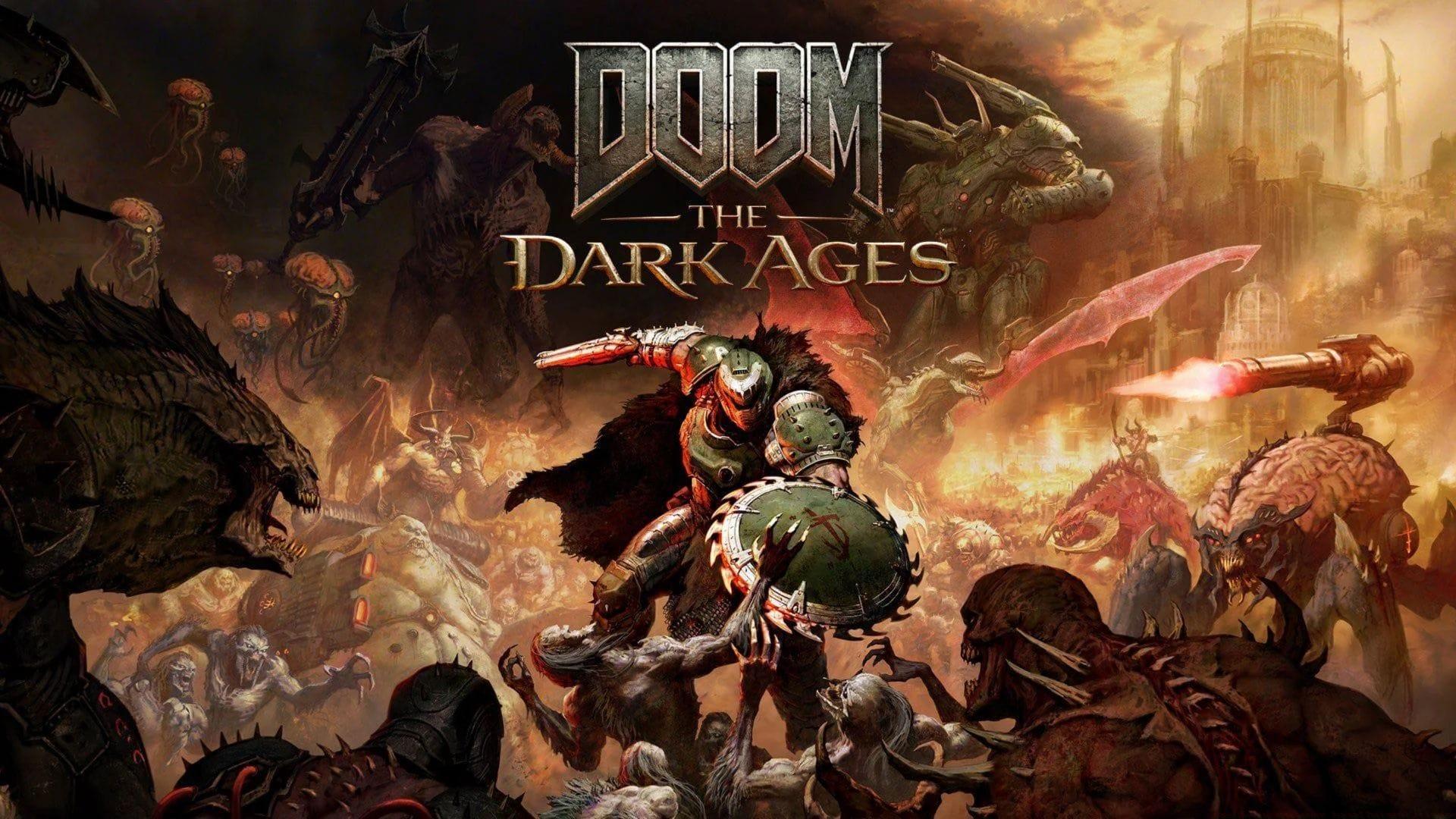
Doom The Dark Ages arrives carrying the weight of legendary expectations from one of gaming’s most influential first-person shooter franchises. Having fundamentally transformed multiplayer FPS mechanics decades ago, the series has evolved while maintaining its core identity. While modern entries like Doom 2016 and Eternal introduced innovative systems, this medieval-inspired chapter represents the purest distillation of classic Doom principles in contemporary gaming.
The experience genuinely captures the essence of original Doom games through its emphasis on visceral combat and straightforward objectives. Unlike some modern shooters that complicate their formula with unnecessary mechanics, The Dark Ages focuses on what matters: relentless demon destruction. The narrative provides context without overshadowing the gameplay, following the established tradition of the Doom Slayer arriving to purge hellish forces through overwhelming force.
Across 22 meticulously designed stages, players experience varied gameplay including standard exploration segments, exhilarating Cyberdragon aerial combat, and epic confrontations with Atlan war machines. These diversions enhance rather than distract from the core loop, providing refreshing breaks that maintain momentum without overstaying their welcome.
Looking for Crossword hints & solutions? Check out latest NYT Mini Crossword Answers, LA Times Crossword Answers, and Atlantic Crossword Answers
Combat System Deep Dive
The combat philosophy embraces beautiful simplicity – no tedious escort missions or complex objectives distract from the core demon-slaying experience. Your mission remains gloriously straightforward: acquire devastating weaponry and unleash carnage upon hellspawn. The Super Shotgun serves as your primary problem-solving tool, delivering satisfying close-range devastation that never grows old.
Weapon progression delivers a satisfying arsenal at a well-paced rate, allowing players to experiment with different combat approaches. A crucial survival mechanic provides increased health pickups when your vitality drops critically low, rewarding aggressive playstyles that push the limits. This system particularly benefits players who favor high-risk, high-reward tactics that frequently leave them near death.
Ammunition management has been elegantly solved through melee-based resource regeneration. Each successful skull-cracking melee strike replenishes ammunition across all weapon types, eliminating frustrating scavenger hunts and encouraging constant weapon cycling. This design empowers players to use their preferred tools without conservation anxiety, maintaining combat flow.
While standard glory kills effectively dispatch enemies, advanced players might desire more varied execution animations. The visceral satisfaction of bone-shattering finishers remains present but could benefit from additional creativity in later gameplay. However, the introduction of parrying mechanics significantly enhances combat depth.
Parrying represents a strategic evolution in Doom combat, with clearly indicated parryable attacks distinguished by distinctive color coding. Successful deflection not only neutralizes incoming damage but returns projectiles to sender with devastating effect. Through Shield Rune enhancements, parrying transforms from defensive maneuver to offensive powerhouse.
Pro Tip: Adjust parry timing in options to match your reaction speed – the default setting works for most players, but fine-tuning can dramatically improve performance. Unlike precision-demanding Soulslike parries, this system emphasizes accessibility while maintaining skill expression.
Even during chaotic encounters with 20+ demons swarming the battlefield, maintaining parry awareness prevents mindless trigger holding and elevates combat engagement. The mechanic integrates naturally rather than feeling tacked on, demanding situational awareness that separates tactical slayers from reckless shooters.
Progression and Customization
Weapon customization extends beyond cosmetic alterations through deep progression systems for both ranged and melee arsenals. Each weapon features dedicated skill trees requiring strategic investment of Gold, Rubies, and Wraithstones. These resources enable meaningful specialization, allowing players to tailor their armory to preferred combat approaches.
Shield Runes receive their own enhancement trees, dramatically expanding parrying capabilities beyond basic deflection. Strategic investment can transform these defensive tools into core components of your offensive strategy, creating build diversity that rewards planning.
Common Mistake: Don’t hoard currency waiting for “perfect” upgrades – early investments in your most-used weapons provide immediate power spikes. The flexibility to respec weapon choices at any time eliminates permanent commitment anxiety, encouraging experimentation.
In-combat weapon switching eliminates loadout lock-in, permitting tactical adjustments based on encounter requirements. While the Super Shotgun remains a fan-favorite workhorse, understanding situational strengths of each weapon creates more versatile and effective slayers.
Advanced players should prioritize unlocking weapon passive abilities that complement their playstyle. Aggressive rushers benefit from mobility and close-quarter enhancements, while tactical players might prefer ammunition efficiency and ranged specializations. The system accommodates multiple approaches without forcing specific builds.
Map Design and Exploration
Level design showcases impressive scale and intricate layouts filled with discoverable secrets. While environmental geometry and visual design excel, the automapping system presents navigation challenges during backtracking sequences. The absence of manual marking for locked doors (color-coded Blue, Yellow, Red) complicates secret retrieval.
Navigation Strategy: Develop a personal marking system using the environment – note distinctive architecture or enemy placements near key doors to facilitate later return trips. This simple technique prevents frustrating searches for previously discovered but inaccessible locations.
Despite mapping limitations, each stage delivers memorable combat arenas and exploration opportunities. The automapper effectively reveals nearby secrets but lacks functionality for player-placed waypoints that would significantly enhance quality of life.
Late-game environments escalate in spectacle and complexity, delivering the grimdark aesthetic perfectly suited to the medieval hellscape theme. Visual design consistently reinforces the desperate atmosphere until the Doom Slayer’s arrival transforms locations into demon slaughterhouses.
For players craving nostalgic auditory cues, the option to integrate classic Doom tracks like “At Doom’s Gate” during combat sequences would provide additional fan service. The existing audio design masterfully alternates between eerie exploration silence and face-melting combat metal, creating perfect rhythmic pacing.
Atmosphere and Accessibility
The silent tension of exploration phases creates palpable atmosphere, broken explosively by demonic spawn triggers and accompanying metal riffs. This audio-visual rhythm perfectly encapsulates the Doom Slayer methodology – methodical hunting followed by unrestrained violence.
Ultimately, the experience centers on pure entertainment value. The joy of selecting your tool of destruction and carving through demonic ranks remains uncompromised by modern gaming trends. Secret hunting provides optional objectives for completionists, but never becomes mandatory for progression.
The absence of microtransactions or intrusive mechanics preserves the purity of this single-player demon extermination simulator. This commitment to focused gameplay delivers refreshingly direct entertainment that respects player time and investment.
Accessibility options demonstrate impressive depth beyond standard difficulty settings. Players can fine-tune enemy aggression, damage output, and numerous other parameters to create their ideal challenge level. This inclusive design philosophy ensures everyone can experience the rip-and-tear fantasy regardless of skill level.
No reproduction without permission:SeeYouSoon Game Club » Doom The Dark Ages review: Rip and Tear until it is done Master Doom The Dark Ages with essential combat strategies, weapon customization insights, and map navigation tips