
TL;DR
- Salvage offers six-player matchmade activities with rotating objectives and boss encounters
- Azshradat requires specific mechanics involving Hive Runes, Runekeepers, and the Heinous Right buff
- Complete objectives efficiently while managing enemy spawns for optimal clear times
- Use Salvage Keys from season pass and playlist activities to maximize reward potential
- Strategic positioning and loadout optimization significantly impact success rates
Salvage represents one of Destiny 2’s premier six-player matchmade activities in Season of the Deep, delivering concentrated combat encounters within Titan’s submerged facilities. This engaging mode combines the intensity of previous seasonal activities like Ketchcrash with unique underwater-themed mechanics that challenge both individual skill and team coordination.
Seasonal activities continue evolving Bungie’s formula for cooperative gameplay, with Salvage standing out as a more traditional six-player experience compared to the evolving Deep Dive format. Veterans of Defiant Battlegrounds and Heist Battlegrounds will recognize the familiar structure: progressive arena clearing leading to a climactic boss confrontation. The activity’s pacing ensures constant engagement without overwhelming complexity.
Rewards from Salvage include exclusive seasonal gear, substantial vendor reputation gains, and crucial progression toward Seasonal Bonuses. Team composition should balance ad-clear specialists with boss damage dealers, ensuring smooth progression through all encounter phases.
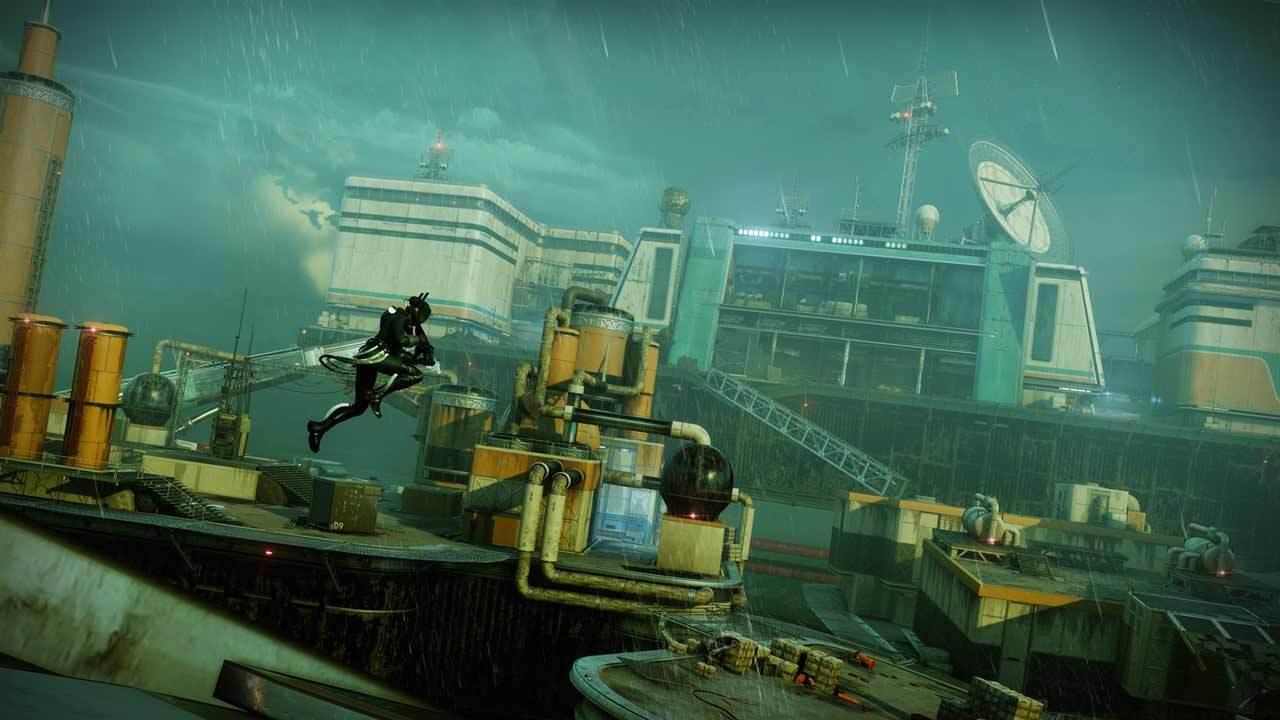
The initial phase demands efficient room clearing while simultaneously advancing randomized objectives. Teams must balance aggression with tactical positioning, as enemy density increases significantly during objective interactions. Communication becomes critical when coordinating multiple simultaneous tasks.
Objective rotation includes four distinct variations: crystal destruction sequences, heavy wrench transportation, explosive device deactivation, and data retrieval protocols. Each presents unique challenges requiring adapted strategies—crystal destruction benefits from area-of-effect weapons, while wrench carrying demands protected routes through combat zones.
Common pitfalls include overextending during objective advancement and neglecting spawn control. Advanced teams should assign dedicated roles: two players focus on primary objectives while four manage enemy clearance and area security. This division of labor typically reduces completion time by 30-40% compared to uncoordinated approaches.
Enemy composition alternates between Hive and Fallen factions, each requiring different countermeasures. Hive Knights demand precision weapons for shield breaks, while Fallen Captains necessitate mobility to counter their teleportation abilities.
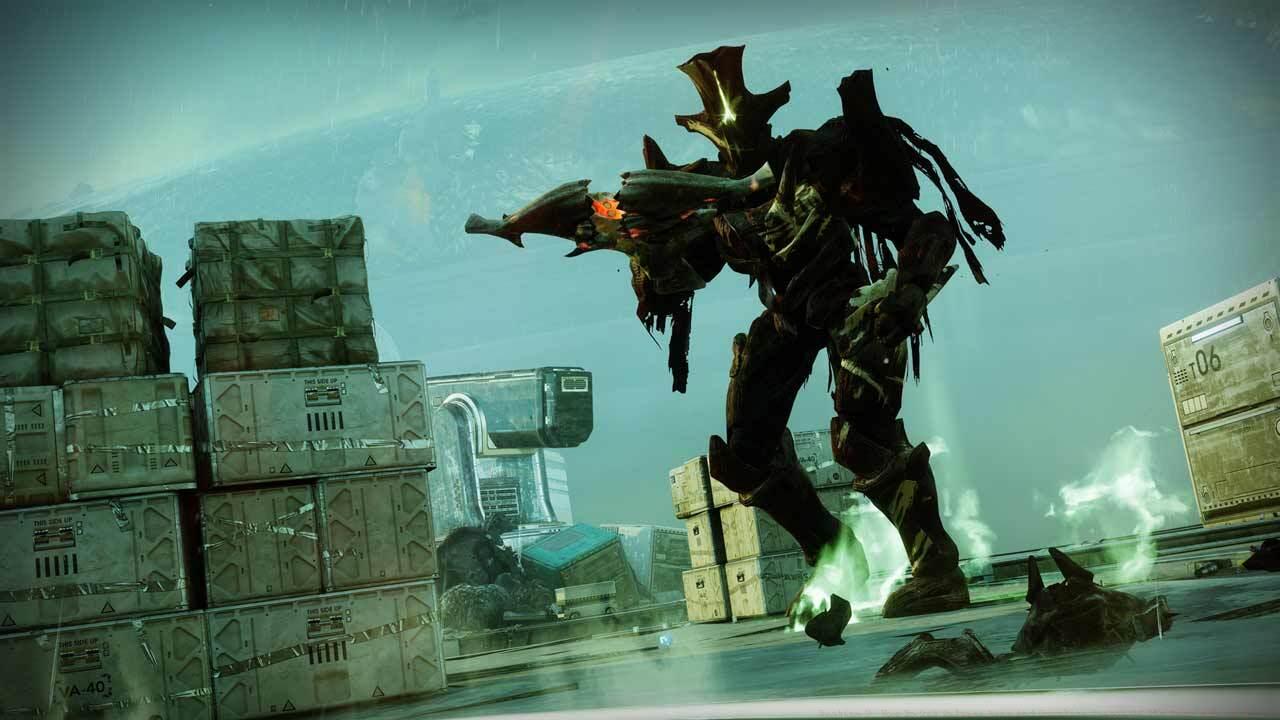
Azshradat presents one of Season of the Deep’s primary boss encounters, featuring complex mechanics that demand precise execution. The Hive commander employs an impenetrable shield system guarded by Runekeeper Knights, creating a multi-phase engagement requiring coordinated team movement.
The encounter begins with identifying floating Hive Runes that materialize above the battlefield. Teams must quickly locate corresponding symbol plates scattered throughout the arena. Standing on the correct plate grants the Heinous Right buff, enabling players to dismantle Runekeeper defenses.
Optimal strategy involves designating two players as symbol specialists while the remaining four focus on Runekeeper elimination. During the Heinous Right buff duration, which lasts approximately 45 seconds, players can strip Runekeeper shields and eliminate these priority targets.
Once all Runekeepers are neutralized, Azshradat’s protective barrier dissipates, opening a critical damage window. Teams should deploy Supers and heavy ammunition during this phase, aiming to eliminate the boss before the buff expires. Failed attempts require repeating the Runekeeper elimination process.
Advanced tactics include pre-positioning near expected symbol locations and using Well of Radiance or Ward of Dawn to secure plate areas during the identification phase.
Salvage Keys serve as premium currency for unlocking additional reward chests upon activity completion. These keys significantly enhance loot acquisition, providing extra chances at seasonal weapons, armor with high stat rolls, and upgrade materials.
Acquisition primarily occurs through the season pass premium track, with guaranteed keys at ranks 12 and 52. For consistent key farming, engage in playlist activities including Crucible matches, Vanguard Operations, and Gambit rounds, where they drop at approximately 15-20% rates. Ranking up with the HELM’s seasonal vendor also yields regular key rewards.
Optimal key usage involves saving them for higher-difficulty completions or when pursuing specific weapon patterns from the seasonal loot pool.
Drop rate analysis indicates optimal key farming occurs during weekly reset bonus periods and when completing activities with fireteam medallions active. Consider coordinating with our Weapons Unlock guide for complementary loadout optimization strategies that enhance both key acquisition and activity completion efficiency.
Action Checklist
- Assemble balanced fireteam with dedicated ad-clear and boss damage roles
- Complete Phase 1 objectives using assigned role strategy for efficiency
- Identify Hive Runes and corresponding plates quickly during Azshradat encounter
- Use Heinous Right buff to eliminate Runekeepers then focus all damage on Azshradat
- Redeem Salvage Keys from season pass and playlist activities for maximum rewards
No reproduction without permission:SeeYouSoon Game Club » Destiny 2: How To Get Salvage Keys And Complete Season Of The Deep’s New Activity Master Destiny 2's Salvage activity with expert strategies for boss fights and optimal loot acquisition