
TL;DR
- Degster discovered CS at age 6 through his brother, initially playing in internet cafes
- Faced intense family opposition in conservative Dagestan, eventually winning support through success
- Overcame regional bias and age discrimination to break into professional CS
- Rejected drugs and party culture during college, choosing gaming career instead
- Now plays for OG after proving himself with Team Spirit
Games and Esports Articles CS 2
Abdulkhalik “degster” Gasanov recently joined OG, marking another milestone in his remarkable esports journey. His story offers valuable insights for aspiring players facing similar obstacles.
Gasanov’s introduction to gaming follows a classic pattern many players recognize: an older sibling served as the gateway to competitive gaming. What began as casual entertainment at local internet cafes gradually transformed into a serious career aspiration. This evolution from hobbyist to professional competitor represents a crucial transition that many young players experience.
I discovered Counter-Strike when I was six. I was always asking my brother to take me to the internet cafe, we played de_mansion there, I adored that map.
I couldn’t reach my keyboard and mouse at the same time, so he moved and I shot. In general, I always liked to play computer games. I think this is what made me different from my peers.
<…> CS was an ordinary game for me until I started watching professional matches and following the stage. Then I realized that I want to get better and better every day. And so, step by step, I improved, and at some point, I realized that I want to try myself against the best players, the best teams in the world. But it was all a long process, not a momentary decision.
For young players inspired by degster’s story, developing a systematic training approach is essential. Start with fundamental skills like aim training and movement mechanics before advancing to complex strategies. Professional players typically dedicate 6-8 hours daily to practice, with a balanced mix of deathmatch, aim maps, and competitive matchmaking.
“Of course, I met her after an [escort] call” Boombl4 on his ex-wife ruining his career, drug-addiction and domestic violence allegations
He says he spent $490,000 on his ex-wife
At age 14, Abdul began competing in local tournaments in Makhachkala, triggering significant family resistance. What started as parental concern about excessive screen time evolved into outright opposition to his gaming ambitions. This conflict reflects a common struggle many esports athletes face when pursuing unconventional career paths.
At the tournament in Makhachkala, there were matches until late. My father called and threatened me. I asked the seniors to explain that everything is fine… This is the Caucasus, it is actually very difficult to explain there what I do and what I want.
<…> My parents were skeptical about my hobby. It was hard for them to believe that the child would earn money by playing on the computer. Now, of course, it is easier to do so, but during my childhood, there were simply no convincing examples that I could point to. Moreover, at that time I was still in school, so I did not need to rush into making a decision. I asked my parents to understand me, and as an exception they let me go to a LAN in Moscow.
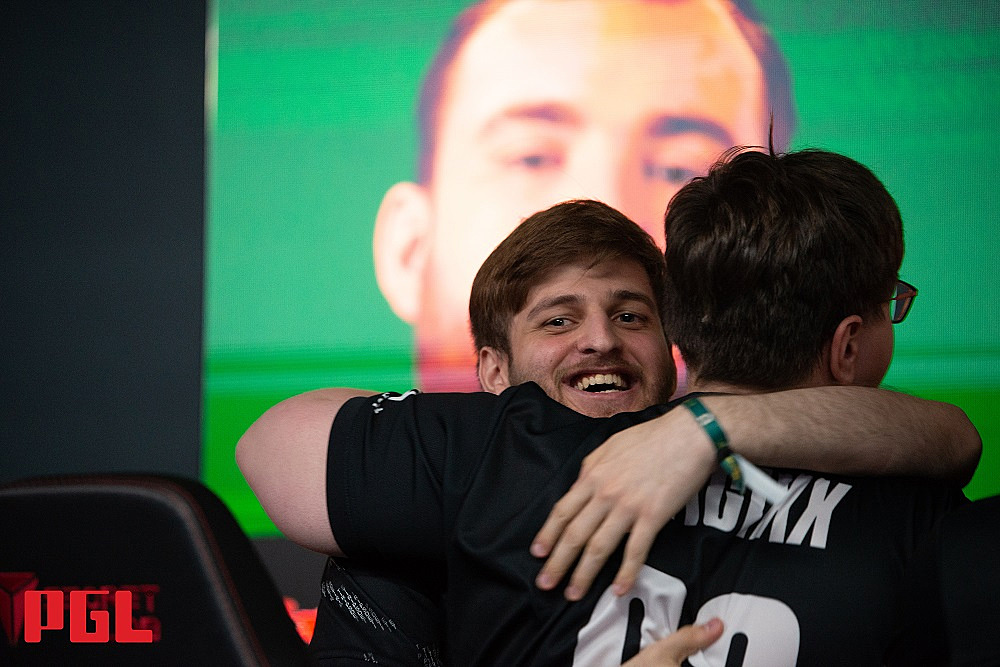
The most intense opposition came from degster’s uncle, who initially threatened physical violence during disputes about gaming. However, this relationship underwent a remarkable transformation once Abdul began achieving competitive success. This turnaround demonstrates how tangible results can overcome even the strongest skepticism.
The oldest of my uncles (my father has ten brothers and sisters) came to me once and said: “What you’re doing is shit, all these computer games, they’ll scam you there. And why are you looking at me like that?” And I had this angry look, I never hide my emotions. If someone speaks to me like that, I show what I feel. And so it was like that with my uncle. He said: “Why are you looking like that, I’m gonna beat the shit out of you.”
I asked my family to give me a year to prove myself, and if I will, they’ll stop bothering me. My father came and said: “I’ll give you that year, I believe in you, do what you think is right. And don’t mind his [uncle’s] words.” Well, now when I speak to this uncle, he has the most respect for me, out of any people I know. He always admits that I proved my words.
For players facing similar family opposition, communication strategies can make a significant difference. Document your progress, share tournament results, and create a business plan showing potential earnings. Many successful players have found that presenting gaming as a serious career pursuit rather than a hobby helps gain family support.
Degster’s Dagestan origin presented significant disadvantages in Russia’s esports ecosystem. Team selection often favored Moscow-based players or those with existing connections, creating systemic barriers for regional talent. This geographic bias remains a challenge in many esports scenes where centralized infrastructure benefits local players.
There were many situations when people leaned toward their acquaintances, people from Moscow, and those who are closer to them when choosing players. The fact that I am from Dagestan made a lot of people think twice, let’s put it this way.
There were a lot of such situations. I don’t want to get personal now. Let’s put it this way: mostly likely it wasn’t just about Dagestan, but about the fact that no one knew me, no one listened that I want to break through somewhere there.
Age discrimination posed another significant hurdle. When Abdul initially sought to join local Dota 2 teams, his youth became a disqualifying factor despite his skill level. This rejection ultimately led to his switch to Counter-Strike, demonstrating how setbacks can redirect players toward their true calling.
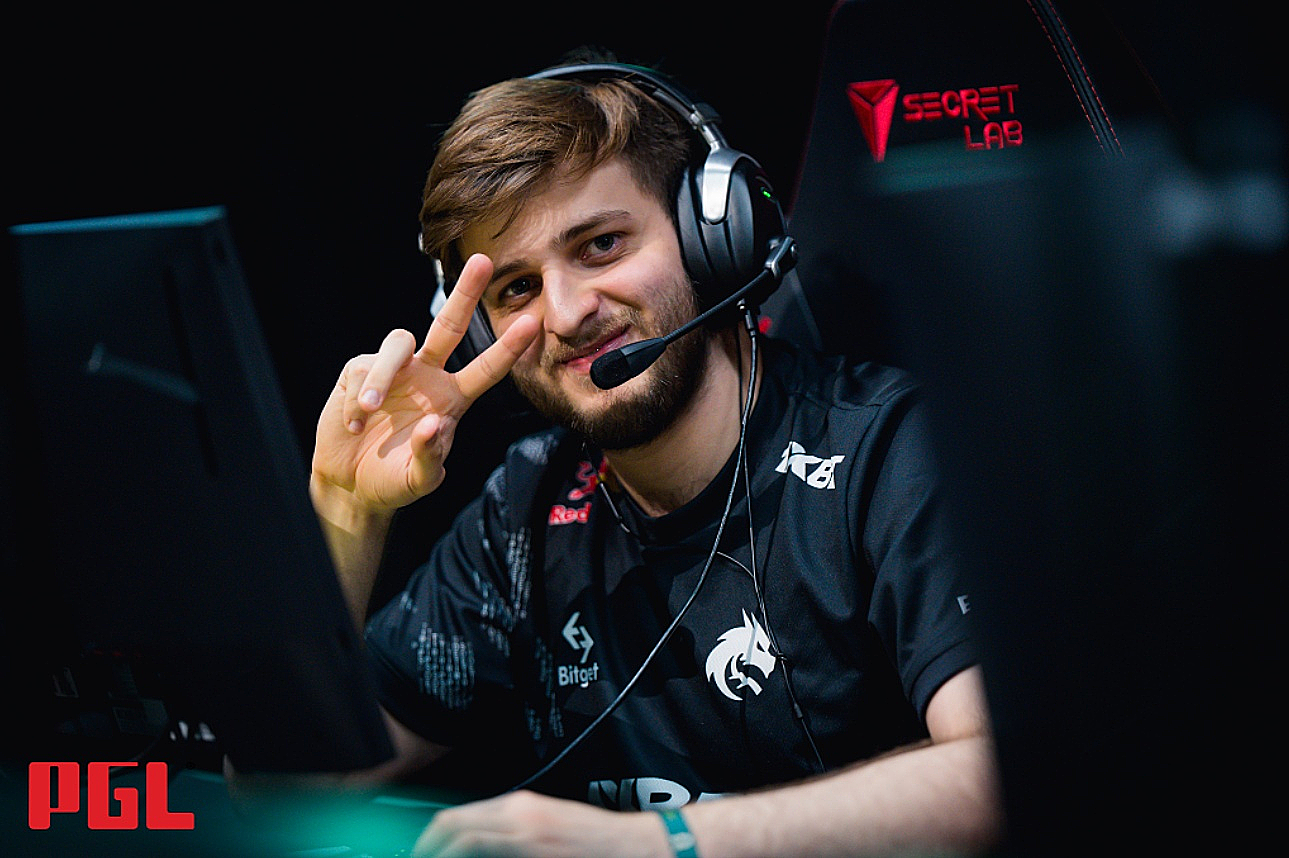
There was a computer club in Makhachkala. I still remember it was called Cyber Arena. And during one of its tournament drafts, I wrote to every team that needed a player. I liked to play carry or mid back then. The most understanding guys didn’t ignore me but wrote: “It’s all cool, bro, we believe you are good, but you’re way too young while we swear a lot.”
I was so upset I stopped playing Dota. At all.
In the end, I bought CS:GO during a sale. I started a match: I run, I shoot, but the guys won’t die: “This game is shit!” I did not know that you must control your spray. So I abandoned CS for a year. I returned when I learned that CS tournaments appeared in Makhachkala.
<…> I trained for 8 hours on AIM and played MM only for 2 hours. We played against the top 1 of Makhachkala, I picked their best map. They smashed us, all my teammates were angry at me.
Regional players can overcome geographic disadvantages through online networking, consistent performance in online tournaments, and creating highlight reels that showcase their skills. Building a strong online presence helps bypass location-based biases and attracts attention from teams nationwide.
“I was told that Spirit will fit my ideas. But later, they declined.” Degster on why he left, matchfixing in CS:GO, and his upbringing
Made his uncle respect him.
A pivotal LAN tournament in Moscow marked degster’s transition from local talent to legitimate prospect. This birthday gift from his parents provided unprecedented networking opportunities with established professionals. The experience demonstrates how offline events remain crucial for career advancement despite the rise of online competition.
I understood that this was my opportunity to meet people from big esports. The Winstrike roster with Boombl4 came to that tournament then, also starix was there as well. I understood that LAN was a great opportunity to prove myself. This could show people who had not taken me to the team before, because I am not from Moscow, but from Dagestan, that they were wrong.
For aspiring players, LAN events offer irreplaceable benefits beyond competition: face-to-face networking, immediate feedback from experienced players, and exposure to team dynamics. Players should prioritize attending even smaller regional events to build connections and gain experience in offline environments.
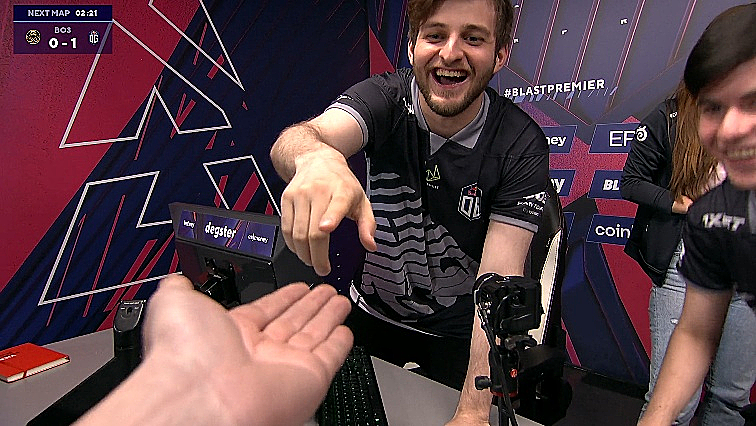
College presented degster with different challenges, exposing him to lifestyle choices that conflicted with his values. The party culture and drug use prevalent among some peers contrasted sharply with his professional ambitions. This period tested his character and reinforced his commitment to a gaming career.
College, 6 months. I made friends with everyone, even those who were the most violent. And, accordingly, I became a part of the party life. I was taken to different places. There was a guy, his father was a general. He hosted huge parties.
On these parties I saw how the beautiful girls, about whom I had a super-childish opinion that they couldn’t do anything wrong, were ready for anything for any nonsense. At that moment, a lot of things around me were related to drugs. Childhood friends suggested them to me, were telling stories how they see Sponge Bob and Squidward. They really loved that shit.
It was hell and I knew I would never try it. And I remain true to my opinion, never tried drugs, and never plan to. I have a lot of pleasures in my life, I’m on cloud nine from everything. Even from just talking to people, like on this podcast. I don’t need drugs for a high life.
Maintaining physical and mental health is crucial for sustained success in esports. Professional players prioritize regular exercise, proper nutrition, and adequate sleep to maintain peak performance. Avoiding harmful substances and maintaining positive social connections contributes significantly to career longevity.
Degster’s upcoming tournament with OG at BLAST Premier: Fall Groups 2022 represents the culmination of his journey. His progression from internet cafes in Dagestan to international stages offers inspiration for players worldwide facing similar obstacles.
Sdy: “NAVI’s system is a step ahead of other teams”
NAVI’s freshman praises B1ad3 the most.
Action Checklist
- Develop fundamental skills through structured practice (6-8 hours daily)
- Build online presence with highlight reels and tournament results
- Attend local LAN events to gain offline experience and network
- Create professional presentation for family support (business plan, earnings potential)
- Maintain physical health and avoid harmful substances for career longevity
No reproduction without permission:SeeYouSoon Game Club » Degster’s hard path to esports: wasn’t taken seriously because of age, dodged drugs, proved himself to conservative family From Dagestan to global stages: Degster's inspiring esports journey against all odds