
Master Death Stranding 2’s Monorail system with expert strategies for efficient map traversal and resource management
Understanding the Monorail System
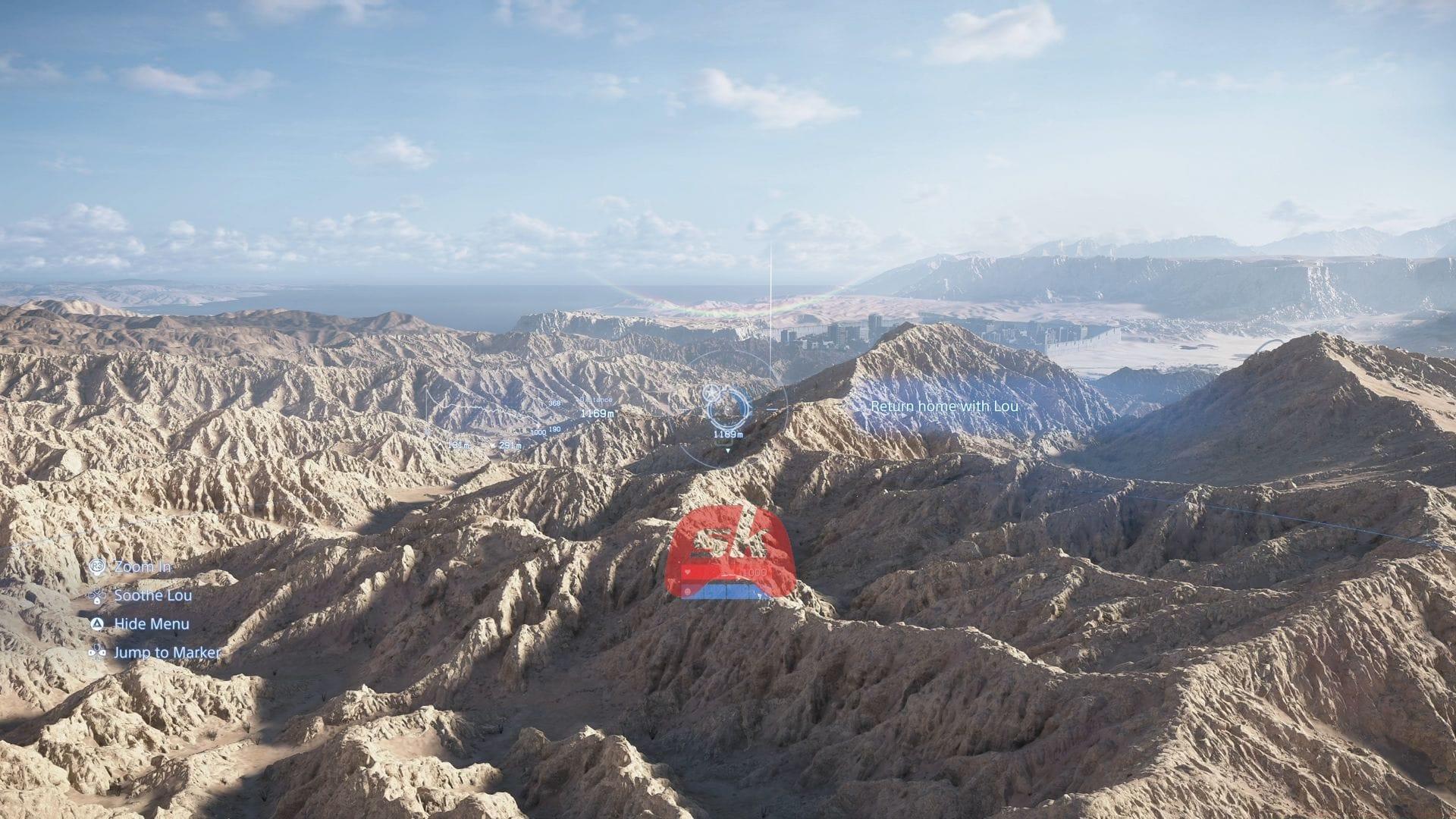
The Monorail expansion infrastructure in Death Stranding 2 represents a game-changing transportation network that dramatically improves delivery efficiency across massive geographical regions. Unlike temporary structures, monorails provide permanent automated transport solutions that operate independently once established.
When you aim for comprehensive map coverage beyond initial zones, manual network extension becomes essential through reactivation of structural supports called Tracklayers. These installations form the backbone of your expanding transit system.
Locating and Activating Tracklayers
Tracklayers appear as weathered metallic columns strategically positioned throughout the landscape. These critical connection nodes enable monorail route extensions. During exploration missions, systematically scanning for these structures should become routine practice.
Navigation tip: When uncertain about progression paths, align with existing monorail trajectories — subsequent Tracklayers typically follow logical linear progression along established routes.
Upon reaching a Tracklayer, engage with the control interface and select “Restore Track” to initiate construction protocols. Each restoration project demands specific resource investments displayed in the interface’s lower-right quadrant.
Related reading: Mastering Online Aid Requests in Death Stranding 2
Resource Gathering Strategies
Successful monorail expansion hinges on efficient resource acquisition. Primary materials include Chiral Crystals and construction components obtainable through multiple methods:
- Engage BT encounters: Defeating BTs yields Chiral Crystal drops — monitor your map for crimson spectral indicators marking active paranormal zones
- Environmental exploration: Natural crystal formations can be detected using Sam’s Odradek scanner, appearing as luminous gold signatures when targeted
- Mine excavation Underground facilities frequently contain substantial Chiral Crystal deposits — some locations harbor up to 2,000 units in single locations
- Recover abandoned cargo marked “Resin” or “Special Alloy” from delivery routes
- Process surplus or damaged cargo through recycling machinery to extract base materials
- Request material shipments from established facilities or the DHV Magellan when accessible
Common mistake: Attempting single-trip resource gathering often proves inefficient. Instead, establish multiple collection runs while completing other objectives.
Advanced Optimization Tips
Although resource accumulation may require several expeditions, each Tracklayer restoration delivers substantial long-term mobility advantages that justify the investment.
Every monorail extension establishes protected, high-speed corridors through regions that would otherwise demand significant time and resource expenditure to traverse. This network becomes particularly valuable for inter-regional transportation and timed delivery missions.
Pro strategy: Plan your monorail expansion to create circular routes rather than linear paths, enabling efficient round-trip deliveries without backtracking. Prioritize connections between major distribution centers and resource-rich areas.
Advanced tip: During BT territory crossings, monorails provide complete safety from ghostly encounters, making them ideal for transporting fragile cargo through dangerous zones.
No reproduction without permission:SeeYouSoon Game Club » Death Stranding 2: Monorail expansion guide Master Death Stranding 2's Monorail system with expert strategies for efficient map traversal and resource management