
How Black Ops Cold War’s extended support strategy reshapes Call of Duty’s content lifecycle approach
The Changing Landscape of Call of Duty Support Cycles
Call of Duty: Black Ops Cold War appears positioned to defy the franchise’s longstanding annual release pattern, with insider reports suggesting continued development support well beyond the typical lifecycle. This represents a significant departure from Activision’s established 18-year tradition where each new installment effectively replaced its predecessor.
The conventional Call of Duty development model has followed a predictable rhythm: new title release, followed by 12 months of primary support, then rapid transition to the next project. However, Treyarch’s latest entry seems destined to rewrite these rules, maintaining active development even as Vanguard prepares to enter the market.For nearly two decades, Activision’s release strategy involved annual franchise installments where the previous game would quickly fade into obsolescence. Development teams typically shifted resources to upcoming projects 2-3 years in advance, leaving older titles in their final state.The precedent for breaking this pattern emerged with Infinity Ward’s Modern Warfare, which continued receiving new content updates even after Black Ops Cold War launched. This established a new possibility for overlapping support cycles that benefits players invested in specific titles.Now, Cold War stands to become the most substantially supported Call of Duty game in history, with planned updates extending throughout 2022 despite Vanguard’s release. This strategic shift reflects changing player expectations and market dynamics in the live service era.
Financial Success Driving Extended Development
Industry insider Tom Henderson revealed that Black Ops Cold War’s post-launch financial performance has surpassed corporate expectations, creating a compelling business case for continued investment.
— Tom Henderson (@_Tom_Henderson_) July 5, 2021
With Vanguard’s anticipated November release approaching, Cold War would traditionally have about four months remaining as the flagship title. Under previous models, development focus would completely shift to the new release, leaving Cold War in its final state.However, this year introduces a paradigm shift: according to reputable leaker Tom Henderson, Cold War “will likely be the most supported CoD title after its ‘cycle’ has ended.” The driving factor behind this unprecedented support stems from exceptional post-launch revenue performance that exceeded Activision’s projections.This financial success has motivated Activision to maintain engagement within the Cold War community longer than typical cycles allow. Players can anticipate fresh content continuing well after Vanguard launches, potentially including new multiplayer maps, weapon additions, playlist rotations, and seasonal events.The scope of potential updates appears extensive, with indications that cross-title seasonal integration might become standard practice across the Call of Duty ecosystem.
What Extended Support Means for Players
The potential synchronization of Vanguard’s Season One launch with updates across Warzone, Cold War, and possibly Call of Duty Mobile suggests an increasingly integrated ecosystem approach. The extent of this cross-platform support will become clearer as development timelines progress.
For dedicated Cold War players, this extended support strategy offers numerous benefits beyond simply keeping the game alive. You’ll experience continued meta evolution as new weapons and balance changes refresh gameplay dynamics. The extended content pipeline means your investment in weapon camos, operator unlocks, and battle pass items retains value longer. Additionally, the player base remains more vibrant as content updates prevent population fragmentation across multiple titles.
Common mistake to avoid: Don’t assume Cold War will become obsolete when Vanguard launches. Continuing to invest time in mastering Cold War’s mechanics and meta could pay dividends throughout 2022, especially if cross-progression systems expand between titles.
Strategic Implications for Future Call of Duty Releases
 Activision
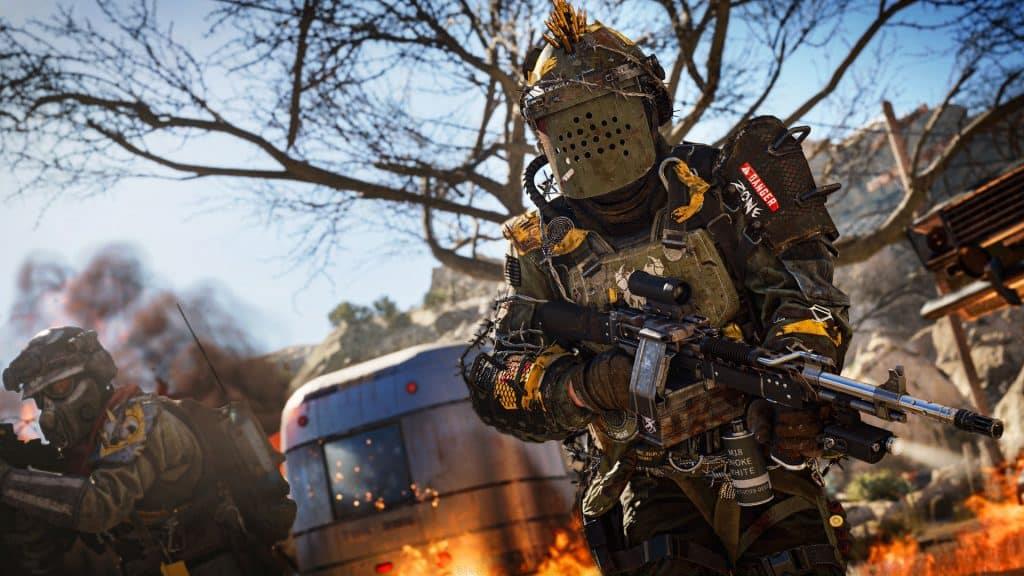
Cold War launched in November 2020 and could be receiving new content through 2022. If these reports prove accurate, Cold War would establish a new precedent for longevity within the Call of Duty franchise.
This approach could become standard practice for future titles if Vanguard achieves similar post-launch success metrics.
The success of Cold War’s extended support model could fundamentally reshape Activision’s approach to the entire Call of Duty portfolio. Instead of treating each title as a disposable annual product, we might see more games maintained as ongoing platforms. This aligns with industry trends toward games-as-service models where player retention and ongoing engagement drive revenue more than initial sales.
Optimization tip for advanced players: Monitor seasonal roadmap announcements closely. If cross-title integration expands, strategic playtime allocation between Cold War and Vanguard could maximize your progression across both games, especially if shared battle pass or progression systems emerge.
No reproduction without permission:SeeYouSoon Game Club » Black Ops Cold War will reportedly be “most supported Call of Duty title” despite Vanguard release How Black Ops Cold War's extended support strategy reshapes Call of Duty's content lifecycle approach