
TL;DR
- Travis Kelce leads with 98 OVR but faces new challenges without Tyreek Hill
- George Kittle trails at 97 OVR with quarterback uncertainty in San Francisco
- Mark Andrews at 93 OVR represents significant drop from top tier
- Kyle Pitts poised for breakout season with increased role in Atlanta
- Strategic tight end usage varies by game mode and offensive scheme
EA Sports has unveiled comprehensive player ratings for Madden 23, with tight ends receiving particular attention during this year’s ratings release cycle. The evaluation process covers every pass-catching specialist across the league, providing detailed metrics for franchise building and competitive gameplay.
This season’s ratings week showcases significant developments at the tight end position, with detailed assessments available for both established veterans and emerging talents. While the receiver group demonstrates deeper competition, the tight end rankings reveal clear stratification between elite performers and developing prospects.
The current tight end hierarchy spans from 98 OVR at the peak down to 84 OVR for the tenth-ranked player. The upper echelon maintains consistency from previous iterations, while newcomers in the lower rankings introduce fresh dynamics for the 2022 NFL season. Complete rating breakdowns are accessible through EA’s official Madden 23 portal for comprehensive team building.
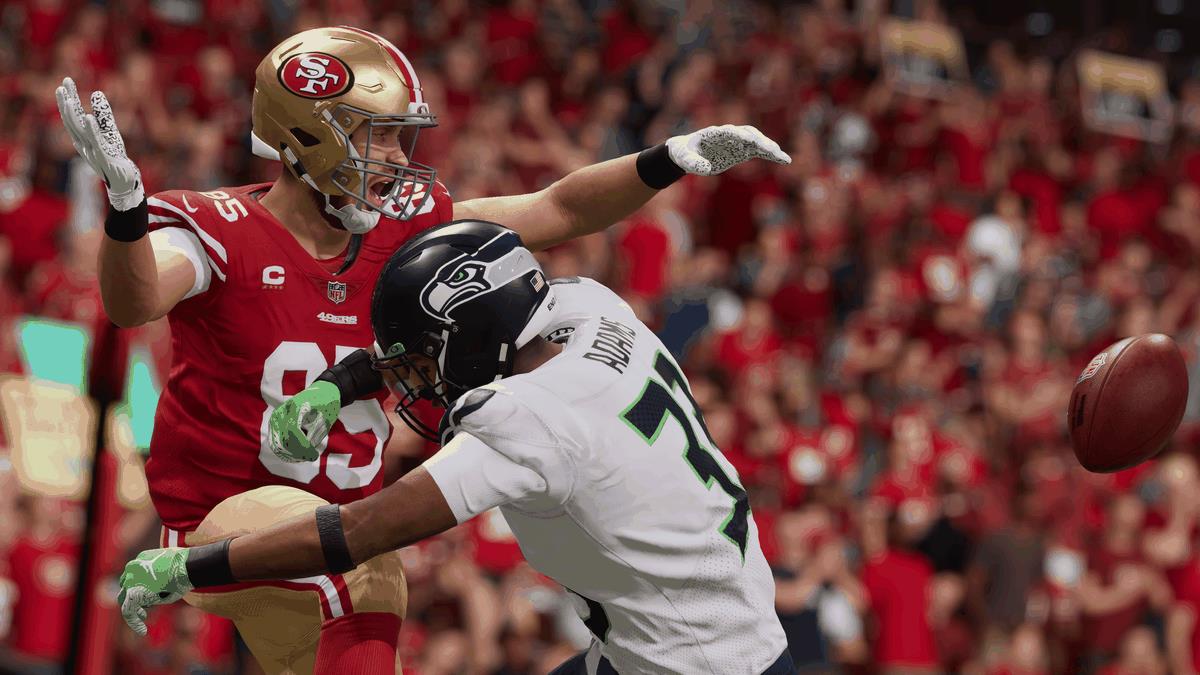
Notably absent from this year’s initial ratings is any tight end inclusion in the prestigious 99 Club, marking a departure from previous seasons where elite performers achieved perfect ratings. Two standout players approach this threshold but begin the campaign just below, setting up compelling storylines for potential mid-season upgrades based on real-world performance.
Kansas City’s offensive landscape transformed significantly with Tyreek Hill’s departure to Miami, creating both challenges and opportunities for Travis Kelce. Despite this significant roster change, the Chiefs’ offensive potency remains substantial with Patrick Mahomes continuing to distribute passes. Kelce, who previously held 99 Club status, now faces defensive adjustments that could either increase his target share or subject him to enhanced coverage schemes.
The strategic implications are twofold: defenses no longer allocating resources to contain Hill’s explosive speed could redirect attention toward Kelce, while simultaneously creating more single-coverage situations. His 98 OVR rating reflects consistent elite production, though his path back to 99 Club membership depends heavily on adapting to Kansas City’s revised offensive identity.
San Francisco’s George Kittle maintains his position as the league’s second-ranked tight end at 97 OVR, continuing the perennial debate about the position’s true top performer. Both Tight End University founders demonstrate remarkably similar statistical profiles in Madden 23, with minimal separation in key attributes despite Kelce’s slight edge in the ratings.
Kittle’s situation presents different challenges, primarily revolving around quarterback stability with Trey Lance expected to assume starting duties. Historical performance patterns suggest Kittle consistently produces elite numbers regardless of offensive context, making him a reliable fantasy and gameplay asset despite the quarterback transition.
Baltimore’s Mark Andrews occupies the third position with a 93 OVR rating, creating what EA describes as a substantial performance gap from the top tier. This assessment follows Andrews’ remarkable 2021 campaign where he accumulated nearly 1,400 receiving yards and scored nine touchdowns, establishing himself as a primary offensive weapon.
The rating suggests EA anticipates some regression from Andrews’ peak performance, potentially reflecting concerns about offensive system changes or defensive adjustments targeting his production. Fantasy players and franchise builders should monitor whether Andrews can maintain his target volume within Baltimore’s run-heavy offensive scheme.
Las Vegas’ Darren Waller represents one of the most intriguing value propositions at the position. The Raiders’ acquisition of Davante Adams fundamentally alters defensive coverage priorities, potentially creating more favorable matchups for Waller against second-tier defenders.
Strategic analysis suggests Waller could experience his most productive statistical season as defenses allocate premium resources to contain Adams. This dynamic makes Waller an excellent target for value-oriented team building in both franchise mode and Ultimate Team, particularly for players implementing multiple tight end formations.
Detroit’s T.J. Hockenson begins the season rated 89 OVR, placing him just outside the 90+ elite threshold. The assessment appears justified given his production decline during the latter stages of the previous season, though his early 2021 performance demonstrated clear Pro Bowl potential.
Hockenson’s development trajectory makes him an excellent franchise mode investment, particularly for rebuilding teams seeking long-term tight end solutions. Monitoring his chemistry development with Jared Goff provides crucial insights for dynasty building strategies.
Atlanta’s Kyle Pitts enters his critical second season amid significant organizational transition. Despite limited touchdown production during his rookie campaign, Pitts established himself as a dominant receiving threat with exceptional athletic metrics that translate well to Madden’s gameplay mechanics.
NFL analysts universally project a breakout season for Pitts, who should emerge as the Falcons’ primary receiving option regardless of quarterback situation. His physical attributes and route-running sophistication suggest substantial rating improvement potential with strong 2022 performance, making him a prime target for strategic acquisition in franchise drafts.
Effective tight end utilization varies significantly across Madden 23’s game modes. In franchise mode, prioritizing young developing talents like Pitts provides long-term value, while Ultimate Team demands immediate production from established veterans. Understanding these distinctions optimizes resource allocation and team building efficiency.
Common strategic errors include overvaluing pure receiving stats while neglecting blocking attributes crucial for balanced offensive schemes. Successful players balance these considerations when constructing their rosters, particularly when implementing run-heavy offensive philosophies.
Advanced gameplay techniques involve leveraging tight ends in mismatch situations, particularly against slower linebackers in coverage. Motioning tight ends across formations creates defensive recognition problems, while two-tight end sets provide both pass protection and versatile route-running options.
For comprehensive team building guidance, consult our Class Guide for optimal position utilization strategies. Additionally, our Weapons Unlock guide provides detailed progression pathways for enhancing your offensive arsenal throughout the season.
Strategic tight end deployment also connects to broader offensive concepts detailed in our Complete Guide for integrated gameplay approaches across all positions.
Action Checklist
- Analyze team-specific tight end usage patterns before drafting or trading
- Prioritize young developing tight ends in franchise mode for long-term value
- Implement two-tight end formations to create defensive mismatches
- Monitor mid-season rating updates for potential value acquisitions
- Balance receiving and blocking attributes based on your offensive scheme
No reproduction without permission:SeeYouSoon Game Club » Best Madden 23 TEs: Top Tight Ends By OVR Rating Expert analysis of Madden 23's top tight ends with strategic gameplay tips and roster optimization advice