
Essential horror game recommendations with survival strategies, multiplayer tips, and platform optimization for 2024 scares
Introduction: Why Horror Gaming Thrives
Halloween traditions evolve, but the appeal of digital scares remains timeless. Contemporary horror gaming offers more than jump scares—it provides immersive worlds where tension builds through atmosphere, mechanics, and narrative.
Modern gaming hardware transforms horror experiences. PlayStation 5 and Xbox Series X|S deliver ray-traced shadows and 3D audio that make every creak palpable, while PC modding communities expand nightmares beyond developer intentions.
While blockbuster releases like Halo Infinite and Battlefield 2042 dominate headlines, horror titles cultivate dedicated communities through sustained engagement. The genre excels at creating memorable moments that players discuss for years. This guide examines five standout horror experiences that define contemporary scares, plus essential strategies most guides overlook.
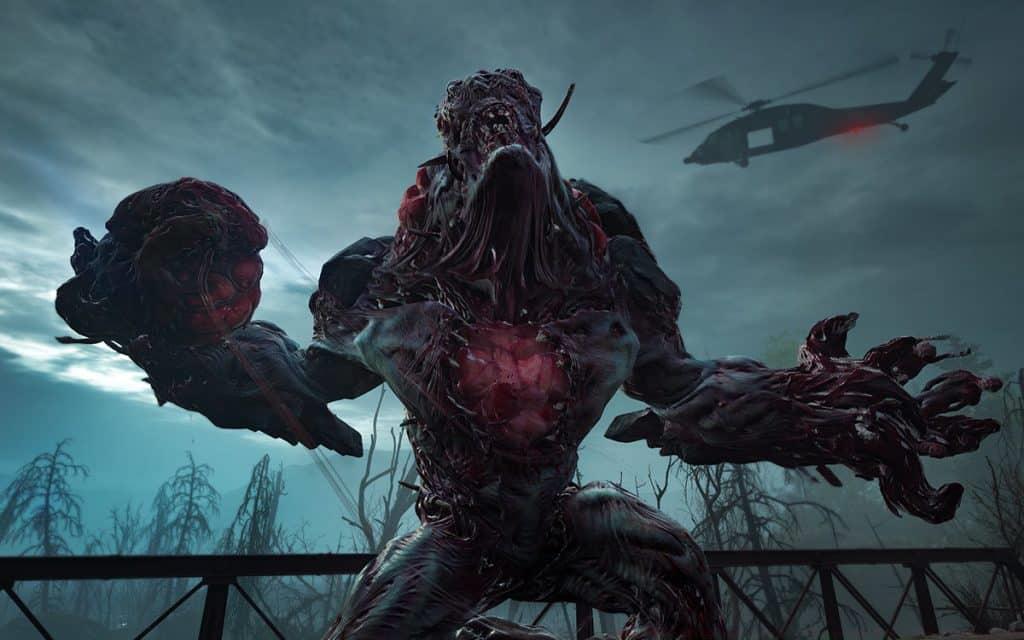 Turtle Rock Studios
Back 4 Blood represents a studio returning to its roots while innovating within the cooperative zombie genre.
Horror games resonate because they master emotional manipulation. They balance fear with empowerment, creating tension-release cycles that keep players engaged. The titles selected here exemplify this balance across different horror subgenres.
Each game discussed offers distinct appeals: cooperative strategy, solo survival tension, investigative mystery, or competitive horror. Understanding these differences helps you select the right experience for your preferred scare type.
Dying Light: Parkour Survival Mastery
Techland’s zombie epic remains relevant despite its age, thanks to fluid parkour mechanics that transform movement into combat. While Dying Light 2 expands the formula, the original’s focused design creates unparalleled nighttime tension.
Nighttime navigation requires systematic preparation. Common mistake: venturing out without UV flares or camouflage potions. Successful players establish safe route networks before dusk, noting building layouts and escape points. Cooperative play introduces specialized roles—designate a scout for volatile zones and a medic for inevitable injuries.
Parkour isn’t just traversal—it’s your primary survival tool. Advanced techniques like tic-tac jumps and wall runs evade special infected. Optimization tip: bind parkour to toggle mode for prolonged chases, reducing finger fatigue during tense escapes.
Back 4 Blood: Legacy Evolved
Turtle Rock Studios’ spiritual successor to Left 4 Dead modernizes the formula with deck-building mechanics. The card system isn’t superficial—it fundamentally alters playstyles. A common mistake: copying online decks without understanding synergy.
Zombie types require specific counters. Tallboys demand focused fire on weak spots, while Hockers need immediate priority targeting. Practical strategy: assign team members specialized roles—one player focuses on mutation clear while another handles common infected hordes.
Dying Light: The Beast review – Fun but forgettable zombie-slaying
Chilling horror game is designed to be played blindfolded
Best scary Roblox horror games to play in 2025
Optimization for advanced players involves memorizing corruption card combinations. Knowing whether “The Dark” or “Blitzing” appears next determines equipment choices. Pro tip: save copper early for team upgrades rather than individual weapon attachments.
Dead by Daylight: Asymmetric Horror
Behaviour Interactive’s perpetual horror experiment thrives on role asymmetry. Survivors operate in third-person for situational awareness, while killers use first-person for precise tracking. This perspective difference defines the meta.
Survivor fundamentals: always move between objectives with cover, communicate via quick-chat, and never finish a generator at 99% unless coordinated. Killer strategy varies by type—area controllers like The Trapper require setup time, while hunters like The Hillbilly demand aggressive early pressure.
The evolving meta rewards adaptation. Recent chapters introduced anti-loop killers that punish repetitive window vaulting. Advanced players study map tile layouts to create safe zones rather than relying on memorized loops.
Phasmophobia: Investigative Horror
Kinetic Games’ breakthrough transforms ghost hunting into systematic investigation. The horror emerges from deduction under pressure, not scripted sequences. Evidence collection follows logical patterns—EMF readers spike during manifestations, while freezing temperatures indicate specific ghost types.
VR implementation represents the pinnacle of immersion. Practical tip: adjust movement settings to smooth teleportation to reduce motion sickness. Common mistake: bringing unnecessary equipment that clutters inventory during hunts.
Team coordination protocols save lives. Designate roles: one investigator monitors sanity via candles, another operates cameras, a third handles evidence collection. Optimization: memorize ghost behavior patterns—a Shade won’t hunt with multiple people nearby, while a Demon attacks regardless of sanity.
Resident Evil Village: Modern Classic
Capcom’s genre-blending masterpiece balances action set pieces with intimate horror. The shift to first-person amplifies vulnerability while expanding environmental storytelling. Critical analysis reveals careful resource pacing—ammo scarcity early teaches conservation for later encounters.
Daniel Megarry’s review correctly identifies the action-horror balance, but advanced players note subtle systems. Enemy weak points vary—lycans require headshots, while soldats have armor plates. Optimization tip: upgrade the STAKE magnum exclusively for Village of Shadows difficulty.
Boss encounter strategies differ radically. Lady Dimitrescu demands environmental utilization (using pillars for cover), while Moreau requires constant movement. Common mistake: wasting heavy ammunition on early boss phases instead of saving for final forms.
Platform-Specific Optimization
Hardware capabilities dramatically affect horror immersion. PS5’s Tempest 3D AudioTech makes directional sounds precise—essential for tracking unseen enemies. Xbox Series X|S Quick Resume lets you jump between horror titles without losing tension buildup.
PC optimization requires balancing visual fidelity with performance. For competitive horror like Dead by Daylight, prioritize frame rate over texture quality. Practical tweak: reduce shadow resolution but keep lighting effects for atmosphere. NVIDIA Reflex reduces input lag in fast-paced sections.
Cross-play considerations vary by title. Back 4 Blood benefits from platform-agnostic matchmaking, while Phasmophobia‘s VR players may experience different interaction speeds. Always verify voice chat compatibility before starting sessions.
Seasonal horror gaming offers more than temporary scares—it builds skills transferable across genres. The tension management in Resident Evil Village improves reaction times for shooters, while Dead by Daylight teaches psychological prediction valuable in competitive games.
No reproduction without permission:SeeYouSoon Game Club » Best horror games you should play in 2021 Essential horror game recommendations with survival strategies, multiplayer tips, and platform optimization for 2024 scares