
TL;DR
- Class mentor selection provides the only permanent gameplay impact among all character creation choices
- Homeworld choice primarily affects role-playing elements and dialogue options without major story consequences
- Caste selection offers minor gameplay benefits but can be optimized for specific playstyles
- All choices can be partially modified later through gameplay progression and specialization
- Strategic synergy between homeworld traits and class abilities creates optimal starting builds
Mastering Your Arrakis Adventure From Day One
Crafting your ideal survivor in Dune: Awakening‘s character creation presents multiple layered decisions that shape your initial experience on the deadly sands of Arrakis. While the interface may appear overwhelming with its caste, homeworld, and class mentor options, understanding which choices carry lasting weight versus those offering primarily cosmetic benefits is crucial for optimizing your gameplay. The critical insight veteran players discover is that only your class mentor selection significantly impacts long-term progression and combat effectiveness.
Through extensive gameplay analysis and community feedback, we’ve identified the optimal pathways for both new explorers and seasoned veterans of the Dune universe. This guide breaks down each decision point with practical strategies to ensure your character begins their journey with maximum advantage while avoiding common pitfalls that can hinder early progression.
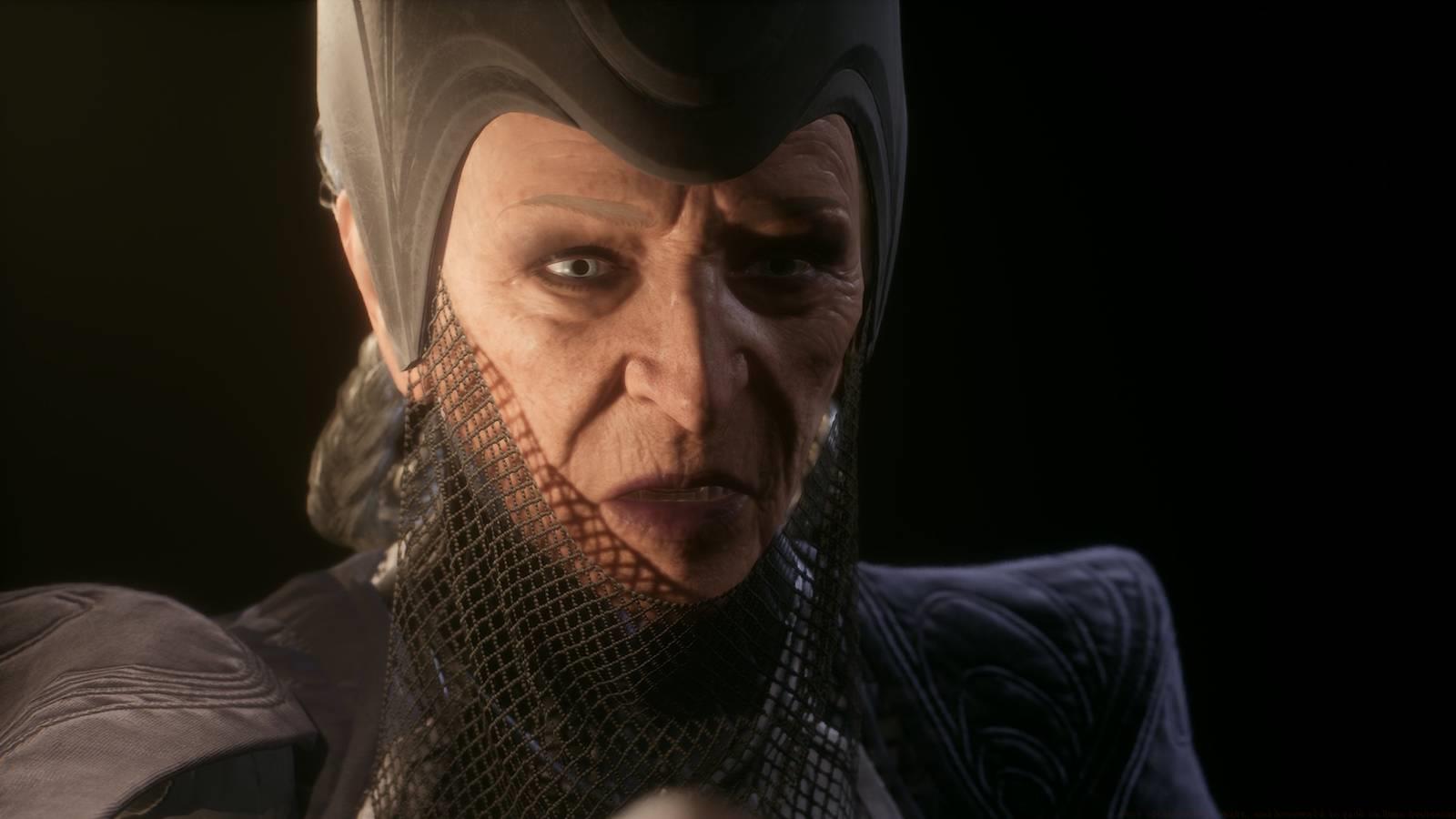
Your homeworld origin in Dune: Awakening serves primarily as a narrative foundation rather than a gameplay-defining mechanic. This choice influences specific dialogue interactions throughout the main storyline and certain side quests, providing flavorful context to your character’s background. However, extensive testing reveals that none of the homeworld options significantly alter story outcomes or provide substantial mechanical advantages in survival or combat scenarios.
The true value of homeworld selection lies in role-playing immersion and the unique social emotes each origin provides. These emotes can enhance player interactions in social hubs and during cooperative activities, but they don’t translate to gameplay bonuses. Even selecting politically charged worlds like Caladan or Geidi Prime only provides additional dialogue options when engaging with Atreides or Harkonnen factions rather than locking you into specific allegiance paths.
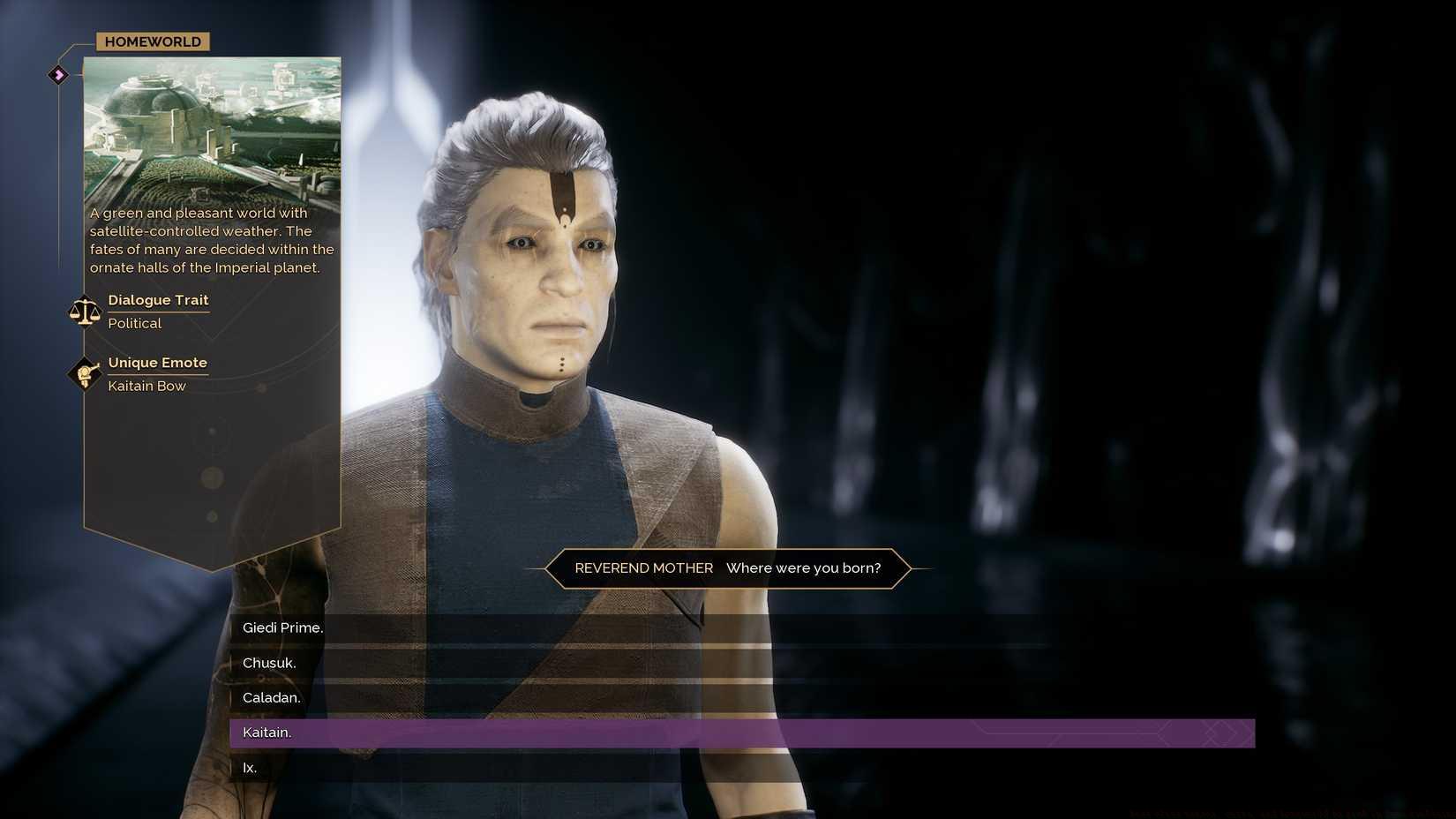
Image: Funcom via Polygon
Homeworld Traits and Emotes Breakdown:
- Ix – Technologist trait (enhanced crafting dialogue), Ixian Secret emote
- Kaitain – Political trait (diplomatic options), Kaitan Bow emote
- Caladan – Honorable trait (Atreides alignment), Atreides Salute emote
- Chusuk – Cultured trait (artisan interactions), Chusuk music emote
- Geidi Prime – Deception trait (Harkonnen alignment), Harkonnen curse emote
For players focused on optimization, we recommend selecting a homeworld based on your intended role-playing narrative or the emote that complements your social playstyle. The Technologist trait from Ix provides minor benefits if you plan to focus heavily on crafting systems, while the Political trait from Kaitain offers additional dialogue paths in faction negotiations.
The caste system in Dune: Awakening represents your character’s social standing and background, offering subtle gameplay modifiers that complement specific playstyles without restricting your overall progression path. Unlike the class mentor system, caste selection provides minor statistical bonuses and dialogue options rather than defining your core abilities or combat role.
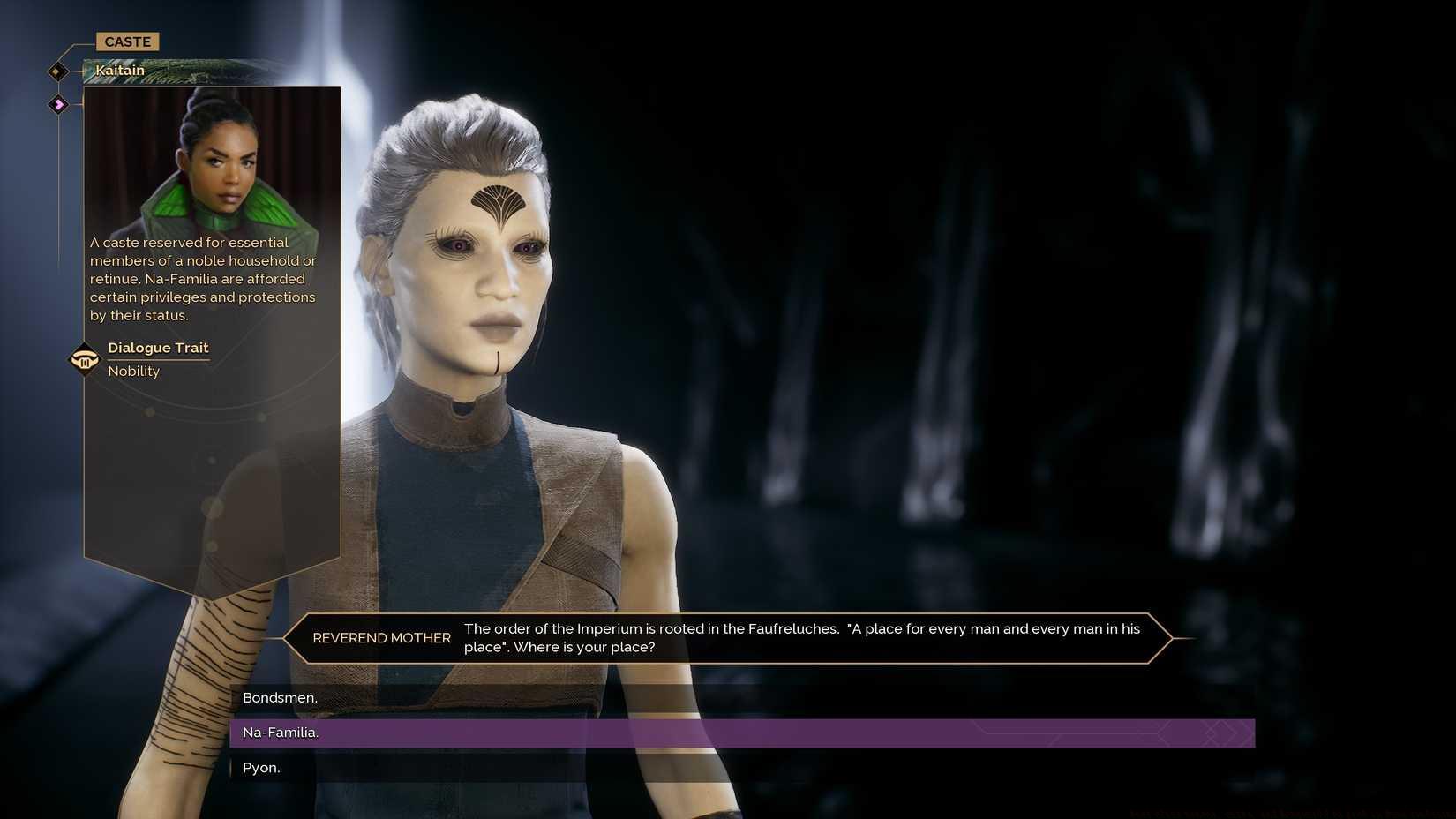
Image: Funcom via Polygon
Advanced players should consider caste selection as a complementary layer to their primary class choice. For example, a Mentat class character benefits significantly from a caste that enhances intellectual or analytical traits, while a Fighter class performs better with a caste providing physical or combat-oriented bonuses. The synergy between your caste background and class specialization creates a more cohesive character build from the beginning of your journey.
Common Caste Selection Mistakes:
- Overvaluing minor statistical bonuses at the expense of role-playing cohesion
- Ignoring caste-specific dialogue options that can provide quest alternatives
- Failing to align caste with intended faction allegiances
- Underestimating the social dynamics between different caste backgrounds
While caste doesn’t dramatically alter gameplay like your class mentor selection, it does provide nuanced benefits that experienced players can leverage for optimized progression. Consider your long-term character goals and how different caste backgrounds might open or close certain social pathways throughout your Arrakis adventure.
Your class mentor represents the only character creation decision with substantial long-term gameplay consequences in Dune: Awakening. This choice determines your starting abilities, specialization tree, and early-game survival strategies on the harsh deserts of Arrakis. While the game does allow branching into other class specializations after progressing through the main story, your initial mentor selection significantly impacts your efficiency during the critical early hours of gameplay.
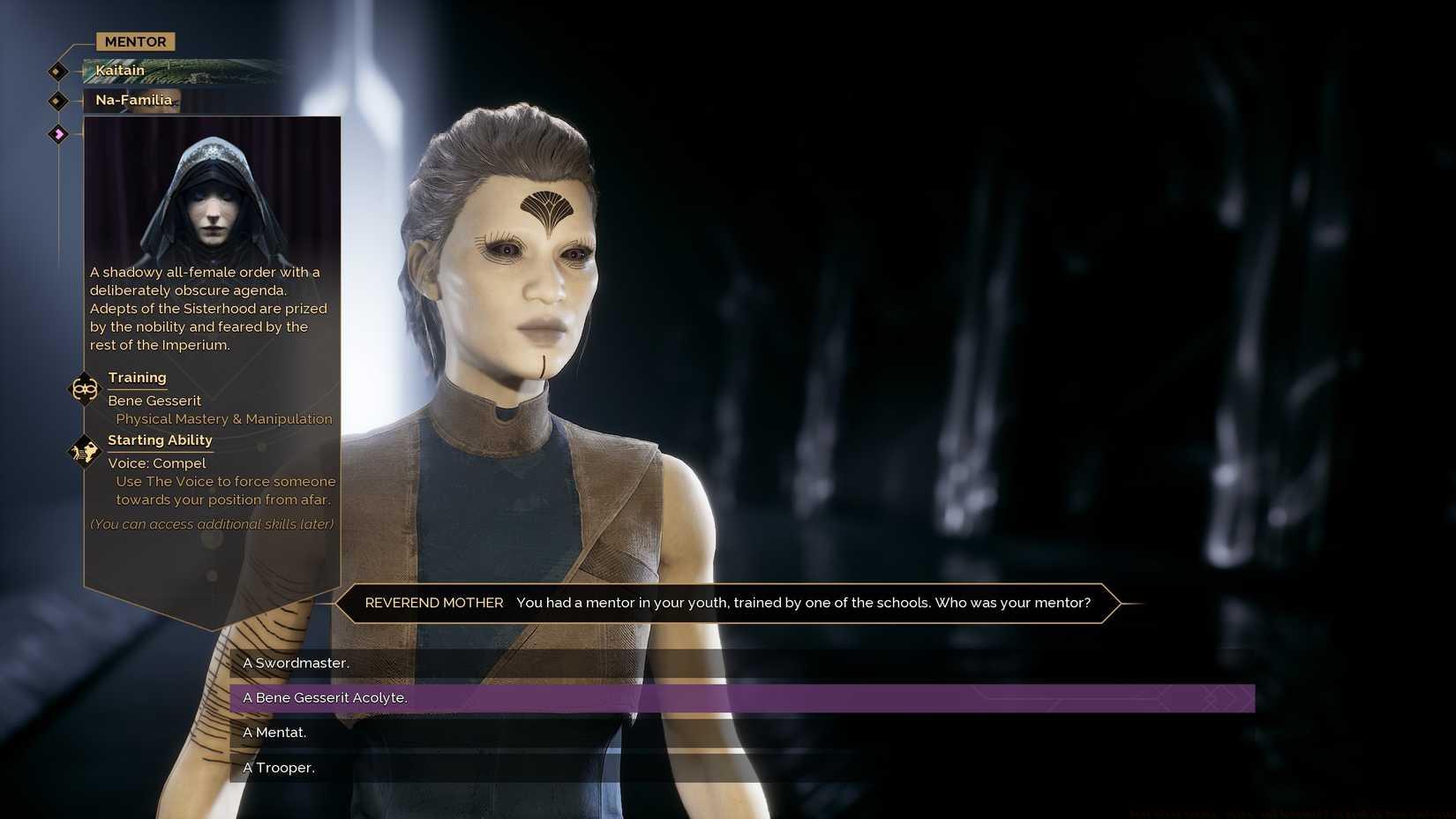
Image: Funcom via Polygon
Based on extensive gameplay analysis and community feedback, we recommend new players select mentors that provide strong survival capabilities and versatile skill sets. The Ecologist specialization offers excellent sustainability through environmental mastery, while the Mentat provides strategic advantages in resource management and technological progression. For combat-focused players, the Fighter class delivers immediate offensive capabilities but may struggle with survival mechanics during the initial adaptation period.
Advanced Class Strategy: Veteran players should consider their intended endgame specialization when selecting a starting mentor. While respec options exist, the time investment required to branch into alternative specializations can be substantial. Planning your progression path from the beginning ensures you maximize efficiency and minimize redundant skill acquisition. For comprehensive class breakdowns, consult our Class Guide which details advanced specialization strategies.
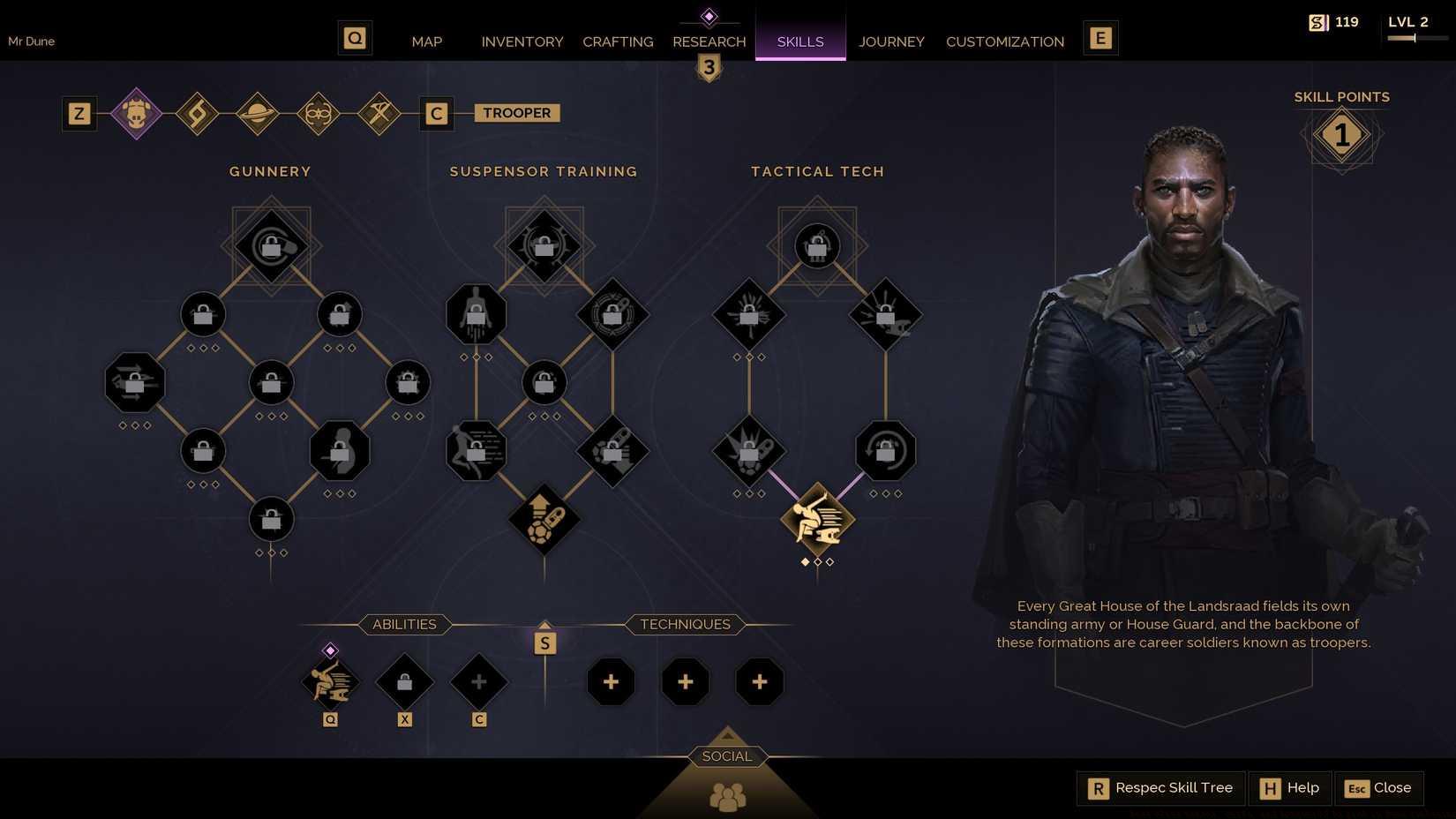
Image: Funcom via Polygon
The flexibility of Dune: Awakening’s class system means no single mentor represents an objectively “best” choice for all players. Instead, optimal selection depends on your preferred playstyle, group composition (if playing with others), and long-term character goals. Solo players may prioritize self-sufficiency, while group-oriented players can specialize in complementary roles that enhance team effectiveness.
Mastering character creation in Dune: Awakening requires understanding how your homeworld, caste, and class mentor choices interact to create synergistic benefits. While each decision carries different weight, their combination can significantly enhance your overall effectiveness during the challenging early game on Arrakis.
Optimal Choice Combinations:
- Combat Focus: Fighter class with Geidi Prime homeworld (Deception trait) for aggressive playstyles
- Crafting Specialization: Mentat class with Ix homeworld (Technologist trait) for enhanced technological progression
- Diplomatic Approach: Ecologist class with Kaitain homeworld (Political trait) for faction negotiation advantages
- Balanced Build: Any class with Caladan homeworld (Honorable trait) for versatile dialogue options
Progression Timeline Considerations: The first 10-15 hours of gameplay represent the period where your initial choices have the greatest impact. As you progress through the main story and unlock additional specializations, the importance of your starting selections diminishes. However, optimizing these early decisions can reduce the time investment required to reach mid-game content by approximately 20-30% based on community gameplay data.
For players seeking comprehensive gameplay guidance beyond character creation, our Complete Guide offers detailed strategies for mastering Dune: Awakening’s complex systems. Additionally, those focused on combat effectiveness should consult our Weapons Unlock guide for optimal equipment progression paths.
Common Optimization Mistakes:
- Over-specializing too early without understanding respec limitations
- Ignoring homeworld traits that complement your primary class abilities
- Underestimating the value of social emotes in cooperative gameplay
- Failing to plan for mid-game specialization transitions
Remember that while character creation choices establish your foundation, Dune: Awakening’s progression systems allow substantial customization and adaptation as you advance through the game. The most successful players make informed initial decisions while maintaining flexibility to adjust their strategies based on evolving gameplay experiences and new content releases.
Action Checklist
- Determine your primary playstyle (combat, crafting, diplomacy, or survival focus)
- Select class mentor based on long-term specialization goals rather than immediate benefits
- Choose homeworld that complements your class selection with synergistic traits
- Align caste background with intended faction allegiances and social interactions
- Plan your progression path for the first 20 hours of gameplay to maximize efficiency
No reproduction without permission:SeeYouSoon Game Club » Best class mentor, caste, and homeworld to pick in Dune Awakening Strategic guide to choosing the optimal homeworld, caste, and starting class in Dune: Awakening for maximum gameplay advantage