
Battlefield’s revolutionary destruction system transforms tactical gameplay with realistic environmental dynamics and strategic opportunities
The Destruction Revolution: Beyond Visual Spectacle
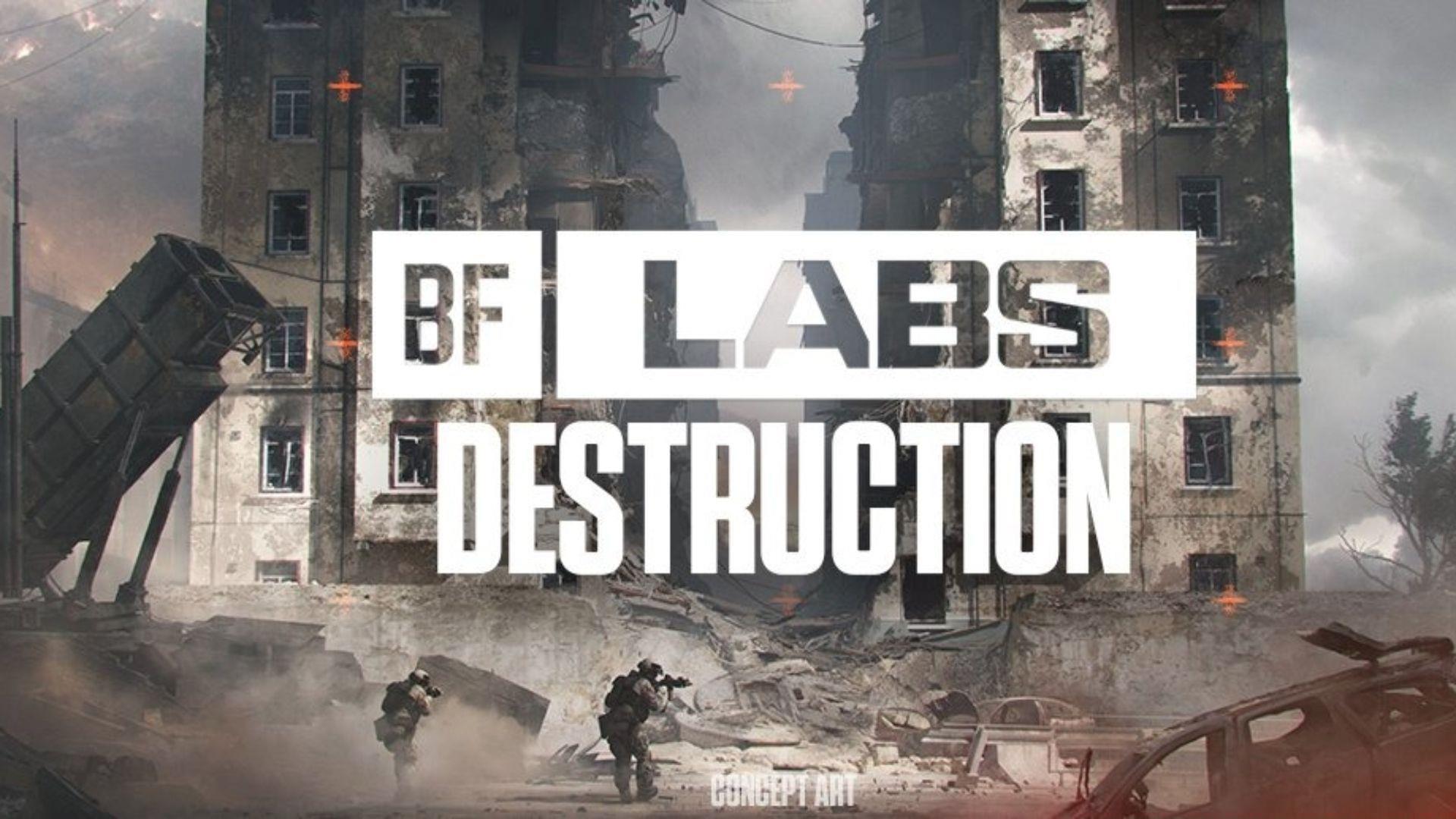
On April 18, 2025, the official Battlefield X page released a new Community Update detailing the destruction mechanics that will fundamentally reshape combat dynamics in the upcoming title. The development team’s core design philosophy centers on empowering players to actively modify battlefield topography through systematic environmental demolition. This approach dramatically enhances strategic depth while delivering unprecedented realism that elevates the franchise’s signature large-scale warfare.
Battlefield’s signature environmental interaction reaches new heights with what developers term the ‘apple-core’ destruction system. Structures don’t simply collapse – they undergo progressive degradation where external layers peel away to reveal internal frameworks before final collapse. This creates dynamic debris fields that provide both cover opportunities and movement obstacles, forcing players to constantly adapt their tactical approach.
The revolutionary aspect lies in how destruction creates emergent gameplay scenarios. Rather than scripted collapse sequences, buildings respond dynamically to damage type and location, enabling creative players to engineer specific tactical advantages. Destroying strategic wall sections can create unexpected flanking routes, while collapsing structures onto choke points provides area denial capabilities previously unavailable in the series.
Developer Insights: Battlefield Labs Testing Framework
Currently undergoing rigorous evaluation within Battlefield Labs, the destruction system focuses on four critical development pillars that ensure balanced yet impactful environmental warfare:
- Material Response Analysis: Understanding structural integrity variations across different building types and the specific explosive requirements needed to breach each material class. Concrete structures demand sustained heavy weapons fire, while wooden buildings may collapse from concentrated small arms damage.
- Collateral Damage Physics: Calculating how falling debris creates secondary hazards and how destruction propagates through connected structures. The system simulates chain reactions where one building’s collapse can weaken adjacent structures.
- Tactical Path Engineering: Enabling players to create permanent navigation changes through strategic demolition. This includes blowing holes through walls for shortcut creation or collapsing bridges to block vehicle access routes.
- Damage Ecosystem Equilibrium: Balancing destruction capabilities with gameplay sustainability to prevent matches from devolving into barren wastelands. The system incorporates cooldown mechanics and resource limitations to maintain strategic diversity.
These testing parameters ensure destruction serves gameplay rather than dominating it, creating a delicate balance between player agency and match integrity. The development team emphasizes that environmental manipulation should enhance tactical decision-making without rendering maps unrecognizable by match conclusion.
Advanced Tactical Applications
Mastering destruction mechanics provides significant competitive advantages for coordinated squads. Urban combat transforms dramatically when teams learn to weaponize the environment itself:
Urban Warfare Reshaping: In city environments, strategic wall destruction creates unexpected angles for ambushes and flanking maneuvers. Savvy players can collapse specific building sections to create elevated sniper nests or destroy staircases to funnel enemies into kill zones.
Defensive Fortification: Rather than simply destroying cover, advanced tactics involve calculated demolition to create layered defensive positions. Partial destruction of upper floors can create rubble barriers while maintaining structural integrity for positioning.
Route Engineering: The most sophisticated applications involve creating entirely new attack routes mid-match. Destroying connecting walls between buildings can create continuous indoor pathways safe from vehicular threats and aerial surveillance.
Squad Coordination Protocols: Effective destruction requires team coordination, with designated demolition specialists using specific loadouts while other members provide cover. Communication becomes critical when timing structural collapses to trap enemy squads.
Common Strategic Mistakes and Optimization
While destruction offers tremendous tactical potential, common misapplications can undermine team effectiveness:
Over-Destruction Syndrome: Novice players often demolish excessively, eliminating valuable cover and creating open killing fields that benefit enemy snipers and vehicles. The optimal approach involves surgical strikes on strategically valuable structural elements rather than wholesale demolition.
Material Misjudgment Errors: Underestimating the explosive requirements for reinforced structures wastes valuable resources and reveals position without achieving tactical objectives. Learning material strength hierarchies ensures efficient resource allocation.
Timing and Coordination Failures: Poorly timed destruction can trap friendly units or create advantages for enemies. Teams should establish clear communication protocols and designate specific demolition triggers based on enemy movement patterns.
Advanced Optimization: Elite players master debris field manipulation, using collapsed structures as improvised cover and understanding how different destruction patterns affect vehicle mobility. They also learn to preserve key structural elements for late-match tactical flexibility.
Stay connected to official Battlefield channels for ongoing updates about these groundbreaking mechanics and additional features as development progresses toward launch.
No reproduction without permission:SeeYouSoon Game Club » Battlefield reveals new destruction details for the next game, and it looks promising Battlefield's revolutionary destruction system transforms tactical gameplay with realistic environmental dynamics and strategic opportunities