
How Battlefield 2042’s surprising comeback strategy overtook Halo Infinite’s player base despite initial struggles
The Unexpected Reversal in Player Metrics
Despite facing persistent challenges since its initial release, Battlefield 2042 has achieved a significant milestone by surpassing Halo Infinite’s active player base across multiple platforms.
Battlefield 2042’s current player population now substantially exceeds Halo Infinite’s metrics, creating industry-wide surprise given the free-to-play advantage Halo Infinite possessed from launch.
The contrasting launch trajectories of both titles couldn’t have been more divergent. Battlefield 2042 encountered significant pre-launch skepticism following a problematic beta phase that revealed numerous technical issues, causing substantial player apprehension. This translated into rapid player decline during the game’s early weeks. Conversely, Halo Infinite’s free multiplayer component initially delivered exceptional results for 343 Industries, capitalizing on the franchise’s legacy and accessible pricing model. The situation deteriorated so significantly for Electronic Arts and DICE that they publicly acknowledged Halo’s successful launch negatively impacted their own title’s performance. However, in a dramatic industry shift, Battlefield 2042 has not only stabilized its player retention but has gained substantial ground against its primary competitor. 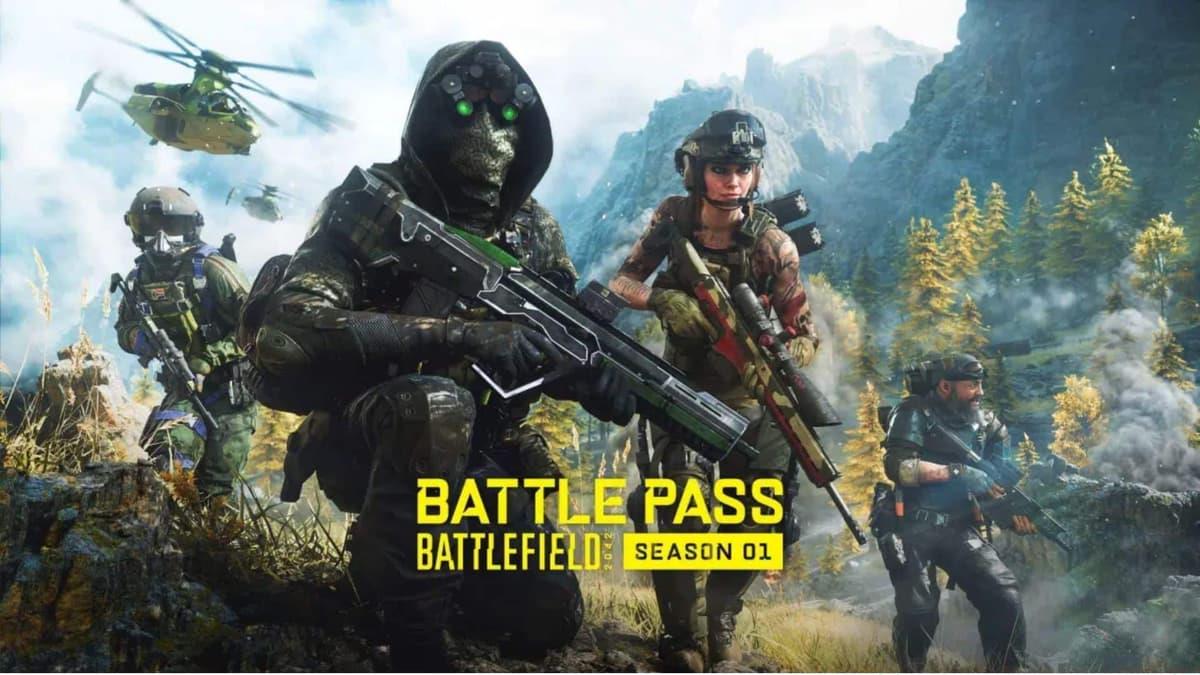
Industry analyst Tom Henderson, who accurately previewed details for both titles before their releases, shared compelling statistical comparisons highlighting the divergent player engagement patterns between the competing games.
Henderson’s analysis revealed: “Battlefield 2042 has maintained a surprisingly robust player community following Season 1’s introduction and currently hosts approximately three times the Steam user count compared to Halo Infinite’s multiplayer component, despite Halo being free-to-play.” Steam Charts data substantiates this claim—while these figures don’t encompass all platform distributions, they provide valuable comparative insights into player engagement trends. https://twitter.com/_Tom_Henderson_/status/1544318026195009541?s=20&t=2WJNHgPcRQshBtriKii2Ug
This achievement becomes even more noteworthy considering Battlefield 2042 requires purchase while Halo Infinite’s free accessibility struggles to maintain player interest. The critical question remains whether Electronic Arts and DICE can sustain this player momentum in coming weeks, and whether Halo Infinite’s upcoming seasonal content will enable it to reclaim its competitive position.
Strategic Factors Behind the Shift
The dramatic reversal in player engagement between these two major titles stems from several strategic factors that gaming enthusiasts should understand.
Content update timing and quality proved decisive in Battlefield 2042’s resurgence, with Season 1 delivering the substantial improvements players demanded following the rocky launch period.
Battlefield’s development team implemented a responsive update strategy that directly addressed community feedback about technical performance and content variety. The introduction of new maps, weapons, and gameplay refinements through seasonal content gave lapsed players compelling reasons to return. Meanwhile, Halo Infinite experienced extended content droughts between seasons, causing player engagement to gradually decline despite the free-to-play advantage. The paid model for Battlefield 2042 may have created higher initial player investment, leading to greater retention as players sought to maximize their financial commitment through continued gameplay.
Community management approaches also diverged significantly. DICE maintained transparent communication about development roadmaps and acknowledged areas needing improvement, building trust with their player base. 343 Industries faced criticism for slower response times to community concerns and less detailed communication about future content plans. This strategic difference in player relationship management contributed to the shifting dynamics between the two competing titles.
Practical Gaming Insights and Future Outlook
Understanding these player count dynamics provides valuable insights for gamers navigating the current competitive shooter landscape.
Player retention in modern gaming titles increasingly depends on consistent content delivery and responsive community engagement rather than initial pricing models or launch momentum.
For gamers choosing between titles, consider these practical factors: evaluate the developer’s track record for post-launch support, assess the regularity of content updates, and monitor community sentiment about developer responsiveness. Battlefield’s comeback demonstrates that initial launch problems can be overcome with dedicated post-release support, while Halo’s situation shows that free access alone cannot sustain long-term engagement without substantial content pipelines.
Looking forward, the competitive balance between these titles remains fluid. Battlefield 2042 must maintain its content momentum to retain the regained player base, while Halo Infinite’s upcoming seasonal content represents a critical opportunity to重新engage lapsed players. The evolving strategies of both development teams will continue to shape the competitive shooter landscape throughout the coming year.
No reproduction without permission:SeeYouSoon Game Club » Battlefield 2042 player stats overtake Halo Infinite after Season 1 update How Battlefield 2042's surprising comeback strategy overtook Halo Infinite's player base despite initial struggles