
An in-depth exploration of Katsuhiro Harada’s departure from Bandai Namco, his legacy within the Tekken franchise, and the future implications for the fighting game community.
A Heartfelt Farewell: The Announcement
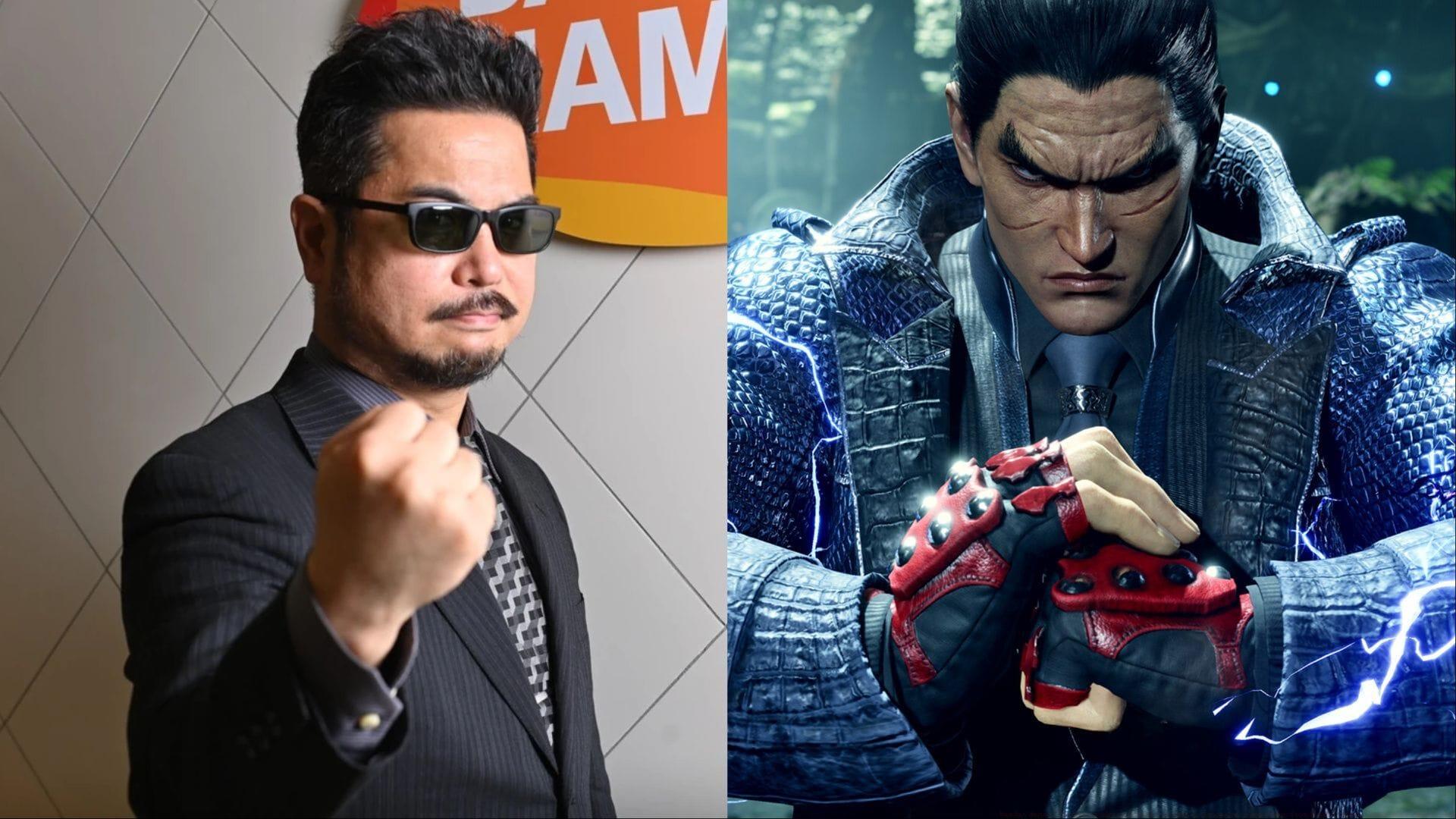
Marking the conclusion of a monumental 30-year tenure, Katsuhiro Harada, the legendary Tekken producer, has officially declared his exit from Bandai Namco, effective before 2026. The revelation was shared directly with the community through his personal X (formerly Twitter) account, featuring a sincere note of appreciation directed at the global fanbase for their unwavering support throughout his journey.
The news has sent waves through the fighting game community (FGC), where Harada is not just an executive but a beloved figurehead. For many players, he represents the human face behind one of gaming’s most enduring competitive series. His direct, often humorous engagement with fans on social media set a precedent for developer-community interaction. Practical Tip: When major figures in a game’s development depart, monitor official channels for six months post-announcement. This period often reveals interim leadership and hints at strategic shifts that can affect game balance and content pipelines.
Three Decades of Legacy: Harada’s Career in Focus
For three decades, the name Katsuhiro Harada has been inextricably linked to Tekken. The 55-year-old veteran didn’t just produce games; he helped architect the very identity of this flagship 3D fighting series. His involvement stretches across every single installment, from the arcade origins to the latest console entries, including pivotal side stories like the Tekken Tag Tournament series.
His influence at Bandai Namco extended well beyond the King of Iron Fist Tournament. Harada lent his expertise as a supervisor to crossover titles like Project X Zone and contributed to acclaimed RPGs such as Digimon Story: Cyber Sleuth and the celebrated Tales of Arise. This diversification showcases a seasoned professional capable of guiding diverse projects. Common Mistake: Assuming a producer’s impact is limited to their most famous series. Veterans like Harada often have a wider, stabilizing influence on a publisher’s entire portfolio and culture, the loss of which can create unseen vulnerabilities.
His final major project at the company, Tekken 8, launched to critical acclaim for its gameplay but also faced notable community friction. Issues surrounding monetization models for cosmetics and ongoing character balance debates placed Harada in a familiar, challenging position—mediating between developer visions, publisher expectations, and passionate player demands. This final chapter underscores the complex realities of modern game production that legacy figures must navigate. Optimization Tip for Advanced Players: During a leadership transition, scrutinize patch notes and developer comments more closely. Changes in philosophy often manifest subtly in balance adjustments and new content design before being formally announced.
The Ripple Effect: Analyzing the Departure’s Impact
The fan response to Harada’s announcement was immediate and deeply emotional, reflecting the personal connections forged over 30 years. Comments on his post painted a picture of a career that transcended game development.
One fan credited Harada and Tekken for being the catalyst for lifelong friendships formed in childhood arcades and living rooms. This highlights the profound social fabric the franchise helped weave. Another user hailed him as a “celebrity” in the truest sense—recognized not for fame alone, but for palpable hard work and dedication to both the art form and its audience. A competitive player shared that Tekken’s depth was so monumental it propelled them from casual play into the local tournament scene, demonstrating the game’s role as an engine for competitive aspiration.
The anxiety within the community is palpable. Some expressed distress at the potential end of innovative crossover projects helmed by Harada, while others clung to hope that this move represents a shift away from Bandai Namco, not a full retirement from game development. Strategic Consideration: For the community, the key is to advocate for transparency while remaining supportive. Constructive, organized feedback to Bandai Namco regarding core values (e.g., fair monetization, balanced gameplay) during this transitional period can help shape the post-Harada era positively.
Looking Forward: Harada’s Future and Tekken’s Path
The transition will not be abrupt. Harada confirmed he will grace the stage one more time as a guest at the Tekken World Tour finals in 2026, offering a final farewell within the competitive arena he helped build. This provides a measure of continuity and a ceremonial passing of the torch.
The paramount question now hangs over the future: What does the Tekken franchise become without its most recognizable steward? The uncertainty is acknowledged by Harada himself, who promised to share future plans when appropriate. For fans and players, the path forward involves cautious observation. Will the series maintain its distinct mechanical identity? How will live-service elements be managed? The answers will unfold in the coming years. Actionable Insight: Use this period of change to document what you love most about current Tekken gameplay. Clear, specific community consensus on core strengths can be a valuable touchstone for new developers taking the reins.
No reproduction without permission:SeeYouSoon Game Club » Bandai Namco: Tekken producer Katsuhiro Harada announces departure from Bandai Namco, fans share gratitude An in-depth exploration of Katsuhiro Harada's departure from Bandai Namco, his legacy within the Tekken franchise, and the future implications for the fighting game community.