
Analysis of Asmongold’s critique of WoW’s Sylvanas storyline and Shadowlands narrative failures
Introduction: The Sylvanas Controversy Explained
World of Warcraft’s narrative direction has sparked intense debate among its dedicated player base, with prominent streamer Asmongold leading the charge against what he perceives as fundamental storytelling failures. The Shadowlands expansion, particularly its handling of Sylvanas Windrunner, has become a focal point for community dissatisfaction that extends beyond typical gaming complaints.
The Banshee Queen’s journey through the afterlife realms has generated unprecedented criticism from both casual players and content creators alike, signaling deeper issues with Blizzard’s creative direction.
Shadowlands represented an ambitious narrative endeavor for Blizzard, transporting players to the metaphysical realms of the afterlife. However, many veteran WoW enthusiasts argue the expansion missed crucial opportunities to deliver satisfying character conclusions. The treatment of Sylvanas Windrunner, once celebrated as one of gaming’s most complex anti-heroes, has particularly disappointed fans who invested years following her arc. From her shocking burning of Teldrassil to the controversial partnership with the Jailer, each story beat has generated more questions than answers, leaving players feeling their emotional investment was misplaced.
Asmongold’s Core Arguments Against Blizzard’s Narrative Choices
Asmongold’s analysis centers on what he identifies as fundamentally flawed storytelling mechanics that undermine character agency and narrative coherence. His reaction to the Shattered Legacies cinematic highlights specific problems with Blizzard’s approach to explaining Sylvanas’ motivations throughout the expansion.
The streamer meticulously deconstructed the cinematic’s explanation of Sylvanas’ actions, noting the problematic pattern: “The narrative establishes that she operates under mental manipulation, then suggests she possesses awareness of this control, yet occasionally acts independently. This creates a confusing framework where negative actions get attributed to external influence while positive decisions reflect her true self.” This selective agency, Asmongold argues, strips the character of meaningful development and reduces her to a plot device rather than a compelling individual.
 Blizzard Entertainment
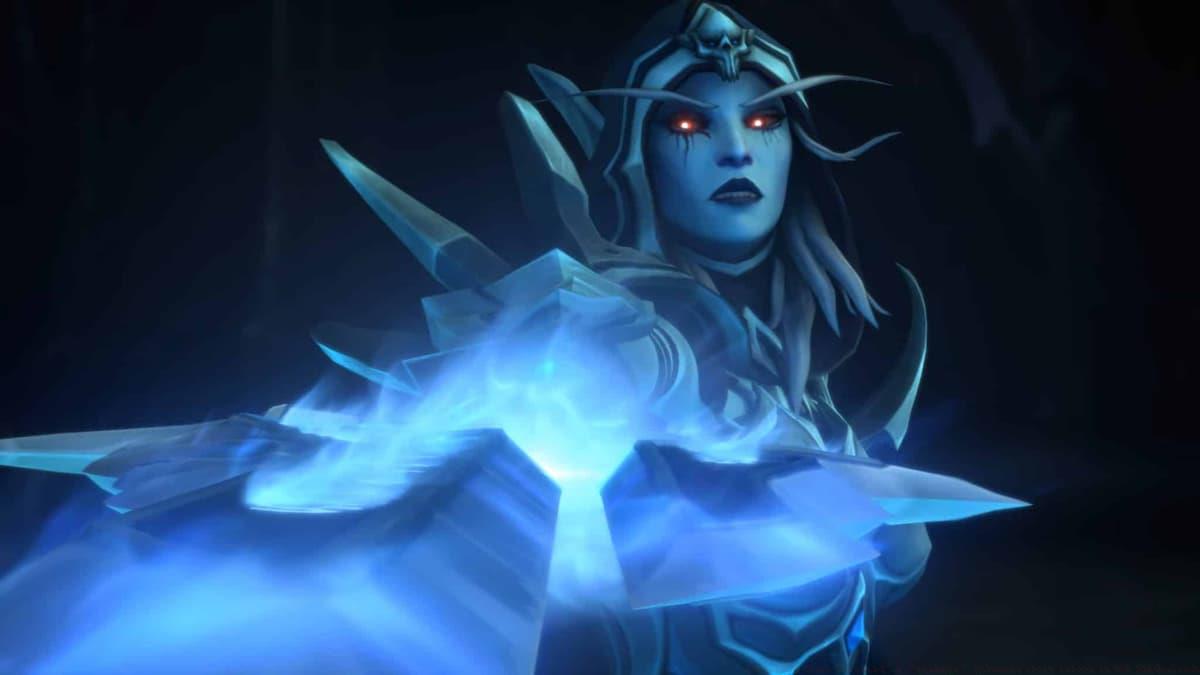
Sylvanas’ character development has consistently divided the WoW community, but recent narrative choices have amplified criticism.
Beyond narrative consistency, Asmongold connected the storytelling approach to broader concerns about Blizzard’s creative direction. He pointedly questioned why an established, intelligent character like Sylvanas would have her entire arc retroactively explained by manipulation from “a superficially designed antagonist lacking established credibility.” This critique touches on deeper issues with villain development in modern WoW, where complex motivations often give way to simplistic evil archetypes.
Shadowlands Expansion: Where the Narrative Went Wrong
The Shadowlands narrative struggles represent a culmination of issues that began emerging earlier in World of Warcraft’s storytelling evolution. Many players note that character consistency has increasingly taken a backseat to shock value and plot convenience, with Sylvanas’ journey serving as the most prominent example.
Chains of Domination introduced narrative elements that many found contradictory to established lore. The expansion’s middle chapter failed to adequately explain character motivations while introducing new plot threads that felt disconnected from previous development. This created a sense that the story was being written reactively rather than following a carefully planned arc. The community response has been overwhelmingly negative, with many long-time roleplayers and lore enthusiasts expressing disappointment at the handling of characters they’ve followed for over a decade.
Eternity’s End, intended as the climactic conclusion to the Shadowlands saga, instead amplified existing problems. The chapter’s attempts to resolve multiple storylines simultaneously resulted in rushed explanations that satisfied few players. The Jailer’s motivations remained nebulous, Sylvanas’ redemption felt unearned, and long-established characters received minimal meaningful development. This narrative disappointment has practical implications for player engagement, as invested players struggle to maintain enthusiasm for a story that appears to prioritize spectacle over substance.
Sylvanas’ Transformation: From Banshee Queen to High Elf
Sylvanas’ physical and metaphysical transformation back to her High Elf form represents one of the most controversial visual and narrative decisions in recent WoW history. This change symbolizes broader concerns about character consistency and the erosion of established identity.
The reversion to her original elven appearance fundamentally alters the character’s visual identity that players have recognized for years. Her distinctive blue-tinted undead skin and glowing red eyes defined the Banshee Queen aesthetic, making this transformation feel like a rejection of everything that made the character visually unique. For many players, this change represents not just a narrative choice but a symbolic erasure of the character’s complex history and the trauma that shaped her undead existence.
From a lore perspective, the transformation raises questions about consistency within Warcraft’s established rules. The mechanics of reversing undeath, particularly for someone who underwent the specific process that created Sylvanas’ banshee form, contradict previous established lore about the permanence of such transformations. This retconning of fundamental world-building elements concerns players who value narrative consistency, as it suggests established rules can be rewritten for plot convenience rather than organic development.
Broader Implications for Blizzard and WoW’s Future
The controversy surrounding Sylvanas’ storyline extends beyond a single character arc, reflecting systemic issues in Blizzard’s approach to narrative development and community engagement. Asmongold’s critiques highlight concerns shared by many veteran players about the game’s creative direction.
Blizzard faces significant challenges in rebuilding player trust following the Shadowlands narrative reception. The combination of storyline dissatisfaction, ongoing legal issues, and concerns about creative direction has created a perfect storm of community skepticism. When content creators like Asmongold publicly question whether they’ll continue engaging with future content, it signals potential issues with player retention that could impact the game’s long-term health.
Looking forward, the development team must address fundamental questions about character agency, narrative consistency, and meaningful consequences. Players have demonstrated they value coherent storytelling that respects established character development over shocking plot twists that undermine previous investment. The solution requires not just better writing for individual characters but a renewed commitment to consistent world-building and character-motivated storytelling that made earlier WoW expansions narratively satisfying.
No reproduction without permission:SeeYouSoon Game Club » Asmongold slams Blizzard’s “garbage” Sylvanas story retcon in WoW Shadowlands Analysis of Asmongold's critique of WoW's Sylvanas storyline and Shadowlands narrative failures