
Asmongold’s critique of World of Warcraft’s controversial Kalimdor book reveals deeper issues in fantasy storytelling and cultural representation.
Introduction: The Kalimdor Book Controversy
World of Warcraft’s latest lore expansion has ignited significant controversy, with prominent streamer Asmongold leading the critique of WoW: Exploring Kalimdor‘s problematic content. The book’s delayed release signals Blizzard’s recognition of serious issues within its pages.
Blizzard’s supplementary literature for their flagship MMORPG faces intense scrutiny following allegations of propagating racial stereotypes. Streaming personality Asmongold, among World of Warcraft’s most influential community voices, has weighed in on the developing situation with characteristic directness.
Beyond Azeroth’s digital landscapes, Blizzard maintains an extensive collection of officially licensed books exploring the rich tapestry of Warcraft mythology. WoW: Exploring Kalimdor represents one such volume, but reader responses have highlighted disturbing patterns of racial caricature—particularly concerning Jewish people. The narrative’s inclusion of Goblin characters poisoning water sources evokes painful historical parallels to blood libel accusations during the Holocaust era. Following community outcry, Blizzard has indefinitely postponed the book’s publication while reviewing its content. Asmongold joined the conversation during a December broadcast, dissecting the material’s implications for both gaming culture and broader societal discourse.
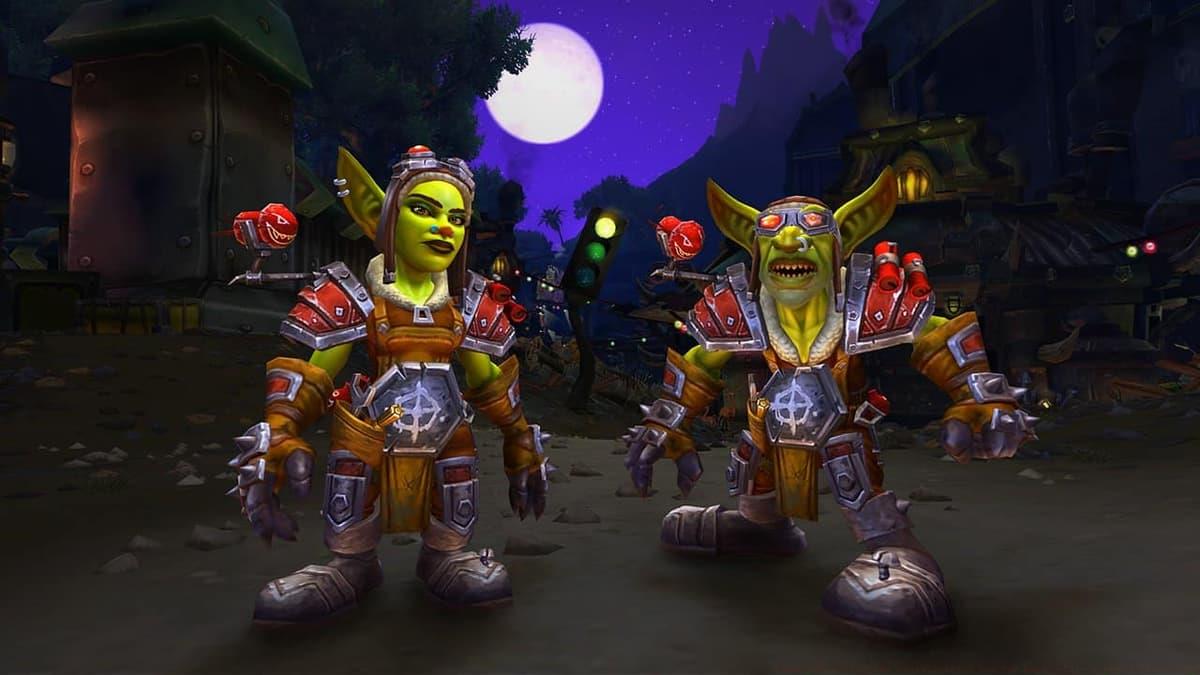 Blizzard Entertainment
The depiction of Goblins in Blizzard’s latest literary offering has drawn criticism for reinforcing harmful stereotypes according to multiple community analysts.
Asmongold’s Analysis of Racial Stereotypes in WoW
During his reaction to WoWhead’s coverage, Asmongold systematically unpacked the book’s representational issues. His methodology combined textual analysis with cultural criticism, offering viewers a framework for evaluating fantasy content more critically.
“The connections between fantasy cultures and their real-world inspirations deserve examination,” he asserted. “Tauren society clearly draws from various Native American traditions, while Troll culture incorporates Caribbean influences. These parallels become problematic when the fictional race inherits the stereotypes associated with their inspirational source material rather than just the aesthetic or spiritual elements.”
He elaborated that “when fantasy allegories simply replicate real-world prejudices instead of offering commentary or subversion, they fail as creative writing. The Goblin situation exemplifies this failure—their portrayal amplifies harmful Jewish stereotypes rather than creating meaningful fantasy characters.” Addressing chat skepticism, Asmongold emphasized his analytical position: “I’ve observed these patterns for years: Goblins manifest numerous tropes historically weaponized against Jewish communities. Their economic caricatures, physical depictions, and narrative roles consistently echo antisemitic propaganda.”
He clarified that while he doubts malicious intent from individual writers, the cumulative effect reinforces harmful perceptions. “Unconscious bias in world-building can perpetuate stereotypes even without deliberate prejudice. Fantasy writers must develop greater cultural awareness to avoid these pitfalls.”
Broader Context: Blizzard’s Recent Controversies
The Kalimdor book controversy represents merely the latest chapter in Blizzard’s ongoing struggles with culturally sensitive content creation. This pattern suggests systemic issues rather than isolated incidents.
Recent months have witnessed multiple controversies, including Warlock armor designs bearing uncomfortable resemblance to Ku Klux Klan robes. This pattern indicates potential gaps in Blizzard’s cultural sensitivity review processes or content vetting procedures.
The company’s delayed response to these issues—postponing rather than canceling the Kalimdor book—raises questions about their commitment to substantive change versus damage control. Community trust has eroded following multiple similar incidents, suggesting the need for more robust diversity consultation and cultural competency training within development teams.
Industry analysts note that Blizzard’s challenges reflect broader issues in fantasy gaming, where traditional tropes often go unexamined despite evolving social awareness. The gap between creator intent and audience reception highlights the importance of diverse perspectives in content creation pipelines.
Practical Guide for Content Creators and Players
Identifying Problematic Fantasy Tropes
Develop critical awareness by examining whether fantasy races:
- Reduce complex cultures to single characteristics (“all Goblins are greedy”)
- Amplify historical stereotypes rather than creating original cultures
- Use real-world trauma as decorative narrative elements without meaningful engagement
- Fail to include cultural consultants from represented communities
Constructive Community Response Strategies
When encountering potentially problematic content:
- Document specific examples with page references or timestamps
- Frame feedback around impact rather than accusing intent
- Suggest alternatives rather than only criticizing
- Amplify voices from affected communities when they speak on the issue
- Support creators who demonstrate cultural competency and responsible representation
Advocacy for Improved Industry Standards
Players and content creators can advocate for:
- Transparent cultural consultation processes in game development
- Diversity in writing teams and sensitivity reading protocols
- Clear content warnings for potentially triggering material
- Mechanisms for community feedback to reach development teams
- Educational resources about cultural representation in fantasy genres
By developing these critical skills and engagement strategies, the gaming community can encourage more responsible world-building while still enjoying rich fantasy narratives.
No reproduction without permission:SeeYouSoon Game Club » Asmongold criticizes controversial new WoW book: “It’s just bad writing” Asmongold's critique of World of Warcraft's controversial Kalimdor book reveals deeper issues in fantasy storytelling and cultural representation.