
TL;DR
- Organic polymer comes from Kairuku penguins, Hesperornis, bee hives, and Achatina slugs
- Sustainable farming beats repeated hunting for long-term polymer needs
- Bee hive polymer respawns naturally, making it renewable without creature harm
- Achatina slugs provide passive polymer collection in swamp regions
- Crafted polymer requires obsidian and cementing paste but offers bulk production
Acquiring polymer in Ark: Survival Ascended presents a significant resource management challenge, particularly when you require substantial quantities for advanced crafting projects. The material exists in two distinct forms: organic polymer harvested directly from creatures and crafted polymer manufactured through industrial processes.
Organic polymer represents the most accessible early-game option, sourced from specific wildlife across the island. However, its renewable nature depends entirely on your farming methodology. Crafted polymer demands obsidian and cementing paste but delivers superior long-term scalability for established bases.
Many players underestimate the resource investment required for polymer production. A common mistake involves focusing solely on hunting rather than establishing sustainable farming operations. For optimal efficiency, consider that crafted polymer typically requires 2 obsidian and 2 cementing paste per unit, while organic polymer gathering rates vary dramatically by source creature.
Kairuku penguins serve as the primary organic polymer source, inhabiting the icy northwestern regions of the map. These creatures wander across frozen landscapes, though their spawn rates can be inconsistent. Strategic positioning near iceberg clusters improves encounter probabilities significantly.
Hesperornis, the duck-like dinosaurs swimming in river systems, provide alternative polymer drops. While less efficient than penguins for pure farming, they offer supplementary resources when encountered during exploration.

Penguin locations in northern ice fields require careful navigation and cold weather preparations.
Advanced players often establish breeding operations with temperature-controlled enclosures to maximize penguin reproduction rates. This method yields approximately 15-25 organic polymer per juvenile harvest but demands significant infrastructure investment. Ethical alternatives include using a pelagornis for efficient harvesting without permanent creature loss.
The mantis previously dropped polymer in Ark Survival Evolved, though its Ascended edition behavior remains unconfirmed. Always verify current game mechanics through testing rather than assuming legacy behaviors persist.
Bee hives represent one of the most sustainable organic polymer sources when managed correctly. Harvesting hives with a hatchet yields polymer while preserving the overall colony structure. This approach creates a renewable resource node that respawns its polymer content approximately every 30-45 minutes.
Bees and hives spawn primarily throughout the Redwoods biome, the expansive forested island south of the volcanic mountain. Hives attach to larger trees at varying heights, requiring careful observation to locate.
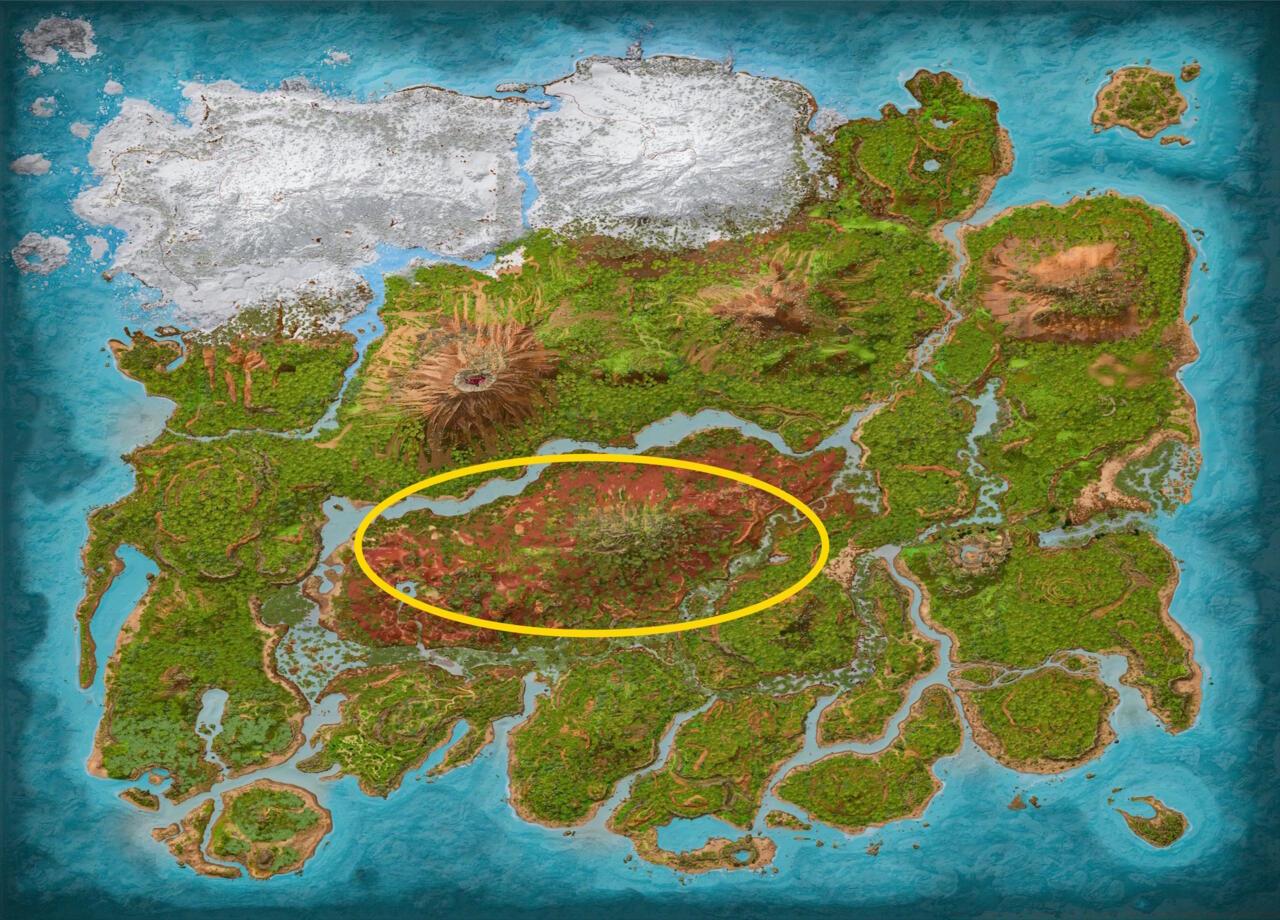
The dense Redwoods canopy supports multiple hive spawn points, though some may be difficult to spot from ground level.
Establishing a domesticated bee colony near your base provides consistent polymer access without environmental risks. Use ghillie armor or insect repellent to minimize aggression during harvesting. A common error involves destroying hives completely rather than carefully extracting resources, which eliminates future collection opportunities.
For maximum efficiency, tame multiple queen bees and distribute hives throughout your territory. This decentralized approach ensures continuous polymer availability and reduces dependency on wild spawns. For more advanced resource management strategies, consult our Complete Guide to systematic material gathering.
Achatina slugs offer the most hands-free polymer collection method in Ark: Survival Ascended. These mollusks slowly traverse Swamp and surrounding mangrove regions south of the Redwoods, producing polymer as a natural byproduct of their metabolism.
Domesticated Achatina continue generating polymer even when confined, making them ideal for low-maintenance resource operations. A single slug typically produces 1-2 organic polymer every 10-15 minutes, which accumulates until collected.

Achatina slugs require minimal intervention but benefit from protected enclosures to prevent predator attacks.
Optimizing Achatina farms involves maintaining 4-6 slugs in a secure, accessible area. While individual yields seem modest, the collective output from a properly managed colony can supply 50-80 polymer daily without active hunting. This makes them perfect supplements to other farming methods.
Advanced players combine Achatina farming with other resource operations, creating diversified production systems. This approach aligns with principles discussed in our Class Guide for balanced gameplay approaches. Remember that polymer management, much like Weapons Unlock progression, benefits from strategic planning rather than reactive gathering.
Action Checklist
- Scout northwestern ice fields for Kairuku penguin spawns
- Establish bee hive domestication operation in Redwoods
- Set up Achatina enclosure in swamp regions for passive income
- Create crafting station for manufactured polymer using obsidian and cementing paste
No reproduction without permission:SeeYouSoon Game Club » Ark: Survival Ascended Polymer Farming Locations And Guide Master efficient polymer farming in Ark: Survival Ascended with sustainable methods and advanced strategies