
ARC Raiders vs Marathon: How extraction shooters redefine competition with immersive worlds and tactical gameplay
The Extraction Shooter Showdown
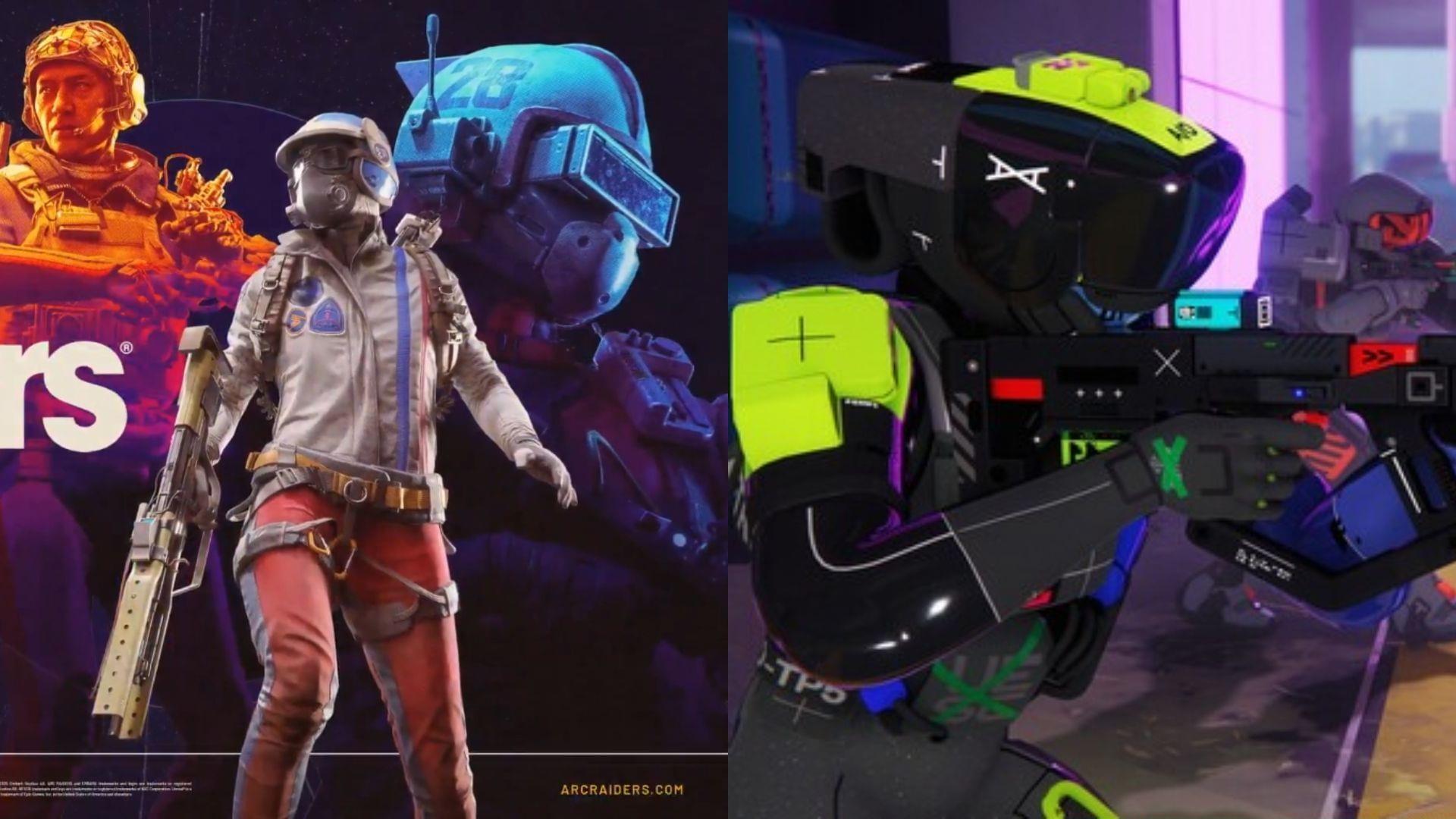
The extraction shooter landscape welcomes two ambitious contenders: ARC Raiders and Marathon, each presenting radically different interpretations of the PvPvE formula. While both games operate within the same genre framework, their execution reveals fundamentally distinct design philosophies. Marathon emerges from Bungie’s legacy with polished FPS mechanics and hero-shooter elements, whereas ARC Raiders from Embark Studios prioritizes environmental storytelling and dynamic world interactions. This divergence extends beyond surface-level aesthetics to core gameplay loops and player engagement strategies.
Understanding the extraction shooter genre requires recognizing its dual nature: competitive player-versus-player combat intertwined with environmental threats and objectives. Both titles embrace this structure but allocate their focus differently. Marathon leans heavily into competitive mechanics, while ARC Raiders balances threat sources more evenly between human opponents and AI adversaries. The genre’s evolution through these games demonstrates how developer priorities shape player experiences, from pure competition to immersive survival narratives.
World Building and Immersion
ARC Raiders crafts a hauntingly familiar post-apocalyptic Earth where the mysterious Arc Machines have devastated civilization, forcing humanity into subterranean refuge. The environmental design goes beyond backdrop status to become an active participant in gameplay. Dynamic weather systems and shifting terrain create unpredictable conditions that demand adaptive strategies from players. This living world approach ensures no two sessions feel identical, with environmental hazards and opportunities emerging organically throughout matches.
Contrastingly, Marathon builds its narrative on the abandoned human colony of Tau Ceti IV, where cybernetically enhanced Runners scavenge for resources in a stark sci-fi setting. The visual aesthetic draws inspiration from cyberpunk and transhumanist themes, creating a world that feels intentionally artificial and game-like. While technically impressive, this approach sacrifices the grounded believability that makes ARC Raiders’ environment so compelling. The difference becomes apparent in how players interact with their surroundings: one feels like a participant in a living world, the other like a combatant in an arena.
Practical environmental mastery tip: In ARC Raiders, learn to read weather patterns and time your movements with environmental shifts. Sandstorms can provide cover for stealth approaches, while clear conditions favor long-range engagements. Marathon players should focus on memorizing map layouts and player spawn patterns rather than environmental interactions.
Gameplay Mechanics and Strategy
The tactical divergence between these titles becomes most apparent in their approach to map design and enemy behavior. ARC Raiders features expansive, multi-level environments that encourage exploration and careful positioning. Buildings serve as both loot sources and potential death traps, with Arc Machines activating through environmental triggers like alarms and tripwires. This creates constant tension between risk and reward, as valuable resources often reside in the most dangerous locations.
Marathon’s Dire Marsh and other maps prioritize player confrontation through carefully designed sightlines and engagement zones. AI enemies exist primarily as secondary threats, creating predictable patterns that experienced players can manipulate. The hero-shooter abilities add verticality to combat but don’t significantly alter the fundamental PvP focus. This design philosophy rewards mechanical skill and game knowledge over environmental adaptation.
Common strategic mistake: New Marathon players often treat AI enemies as primary threats, wasting resources on predictable bots while human opponents flank them. In ARC Raiders, beginners frequently underestimate environmental threats, triggering multiple Arc Machine spawns through careless movement. Advanced players learn to use AI behavior to their advantage—luring enemies into opponent paths or creating diversions with environmental triggers.
The enemy variety further distinguishes these experiences. ARC Raiders presents a bestiary of mechanical horrors from spider-like hunters to spherical explosives and aerial drones, each requiring different engagement strategies. Marathon’s UESC robots maintain visual consistency that supports quick identification but sacrifices tactical diversity. This design choice reflects each game’s priorities: one values unpredictable encounters, the other prefers readable combat scenarios.
Player Experience and Community Reception
Communication systems represent another fundamental divergence between these extraction shooters. ARC Raiders incorporates proximity chat that enables emergent social dynamics—players can form temporary alliances, coordinate against AI threats, or engage in psychological warfare through voice interactions. This feature transforms encounters from pure combat to complex social negotiations, creating memorable moments that extend beyond mechanical gameplay.
Marathon opts for traditional communication systems focused on team coordination rather than inter-player diplomacy. This design reinforces its competitive ethos but misses opportunities for the unexpected interactions that define ARC Raiders’ community experience. The absence of proximity chat creates cleaner, more predictable engagements but sacrifices the organic storytelling that emerges from player-driven narratives.
Progression systems in both games reward consistent play through weapon upgrades and ability enhancements, though their implementation reflects their respective design philosophies. ARC Raiders ties progression to environmental mastery and adaptation, while Marathon emphasizes combat proficiency and resource accumulation. Community feedback from technical tests suggests ARC Raiders’ approach creates more varied gameplay sessions, while Marathon’s system appeals to players who prefer mastering predictable mechanics.
Optimization tip for advanced players: In ARC Raiders, prioritize learning environmental triggers and AI behavior patterns over pure combat skills. The most successful players understand how to manipulate the world against both AI and human threats. Marathon experts should focus on mastering hero abilities and map control points to dominate player engagements.
Future Outlook and Strategic Considerations
As both games approach full release, their development trajectories suggest continued divergence rather than convergence. ARC Raiders appears committed to deepening its environmental systems and enemy variety, potentially introducing more dynamic world events and environmental storytelling elements. Marathon’s roadmap likely focuses on refining competitive balance and expanding its hero-shooter mechanics with additional Runner abilities and customization options.
The extraction shooter market demonstrates ample space for both approaches, appealing to different player psychographics. ARC Raiders attracts those who value immersion, exploration, and emergent storytelling, while Marathon caters to competitive gamers seeking refined PvP experiences within a sci-fi framework. Neither approach is inherently superior, but current reception suggests ARC Raiders’ formula resonates more strongly with players seeking innovation beyond traditional shooter conventions.
For players choosing between these titles, consider your preferred playstyle: systematic explorers and adaptive tacticians will find ARC Raiders more rewarding, while mechanically skilled competitors may prefer Marathon’s focused PvP experience. Both games represent significant investments in evolving the extraction shooter genre, demonstrating how established formulas can be reinterpreted through different design priorities and player experience goals.
Strategic recommendation: Monitor both games’ development updates closely, as their pre-release evolution may address current limitations. ARC Raiders shows particular promise for players tired of repetitive extraction loops, while Marathon offers reliable competitive mechanics from an experienced developer. The healthiest approach might involve experiencing both to understand the genre’s expanding possibilities.
No reproduction without permission:SeeYouSoon Game Club » ARC Raiders sets a high bar for extraction shooters, Bungie’s Marathon has serious competition ARC Raiders vs Marathon: How extraction shooters redefine competition with immersive worlds and tactical gameplay