
Discover how ARC Raiders players are creating pacifist factions and unofficial player-driven conflicts in this emerging gaming community
The Rise of Player-Driven Factions
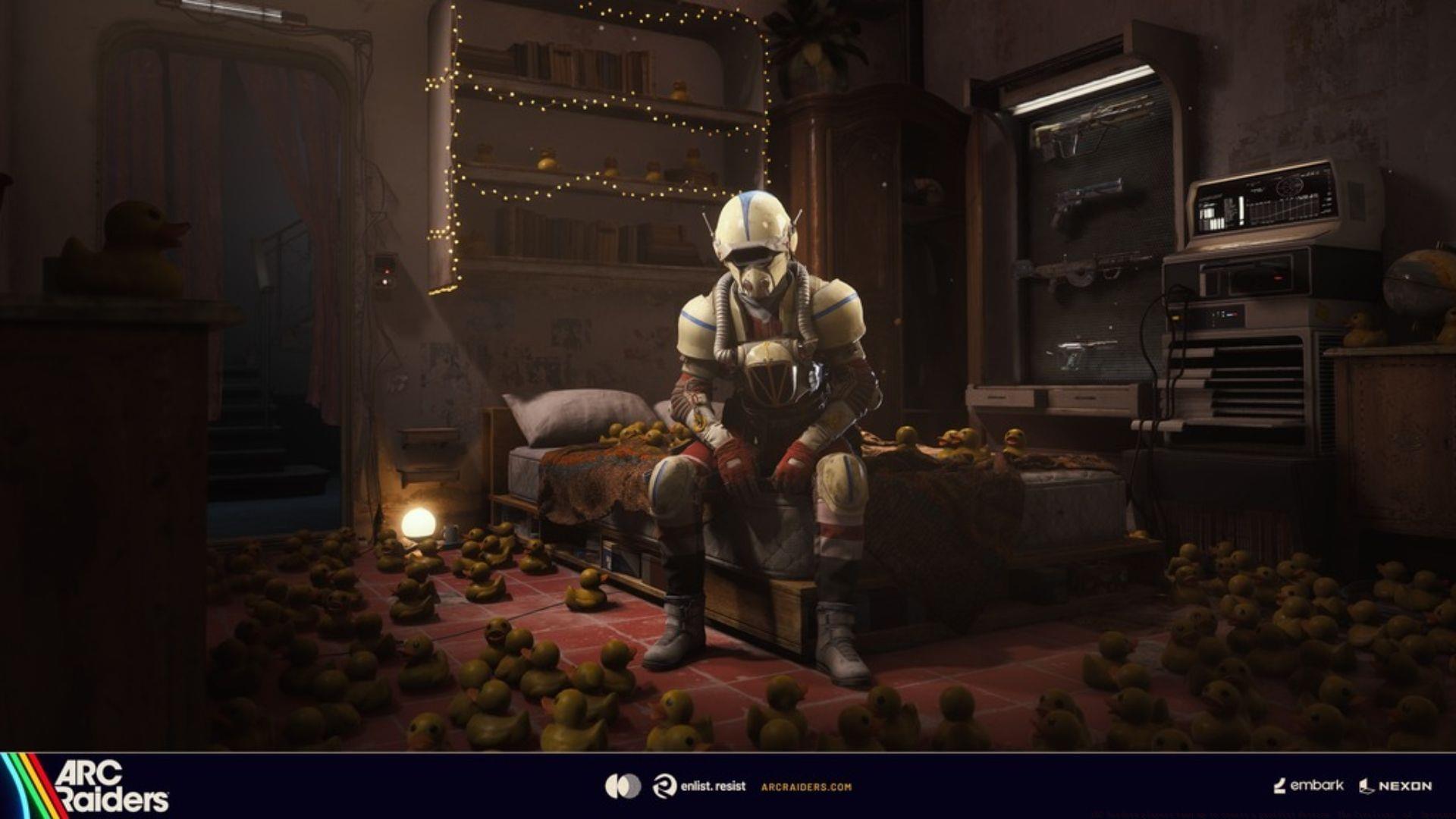
The ARC Raiders community has begun organizing into distinct player-created factions that operate outside the game’s official systems. This emergent behavior mirrors social dynamics seen in sandbox titles like Grand Theft Auto Online, where players form unofficial groups with their own rules and identities. The movement gained significant traction when high-profile streamers including TimTheTatman and Shroud initiated what community members now call “gang wars” – organized conflicts between competing player groups.
These faction conflicts create a unique layer of player-versus-player interaction that wasn’t explicitly designed into the game’s mechanics. Unlike traditional PvP modes with predefined rules, these organic conflicts allow for creative approaches to team coordination and strategic gameplay. The phenomenon demonstrates how gaming communities often develop their own meta-games that extend beyond developer intentions.
The Pacifist Movement: Civilians of Speranza
Amidst the growing faction warfare, a counter-movement has emerged with The Civilians of Speranza adopting a strictly pacifist philosophy. This group positions itself as neutral ground in the ongoing conflict between Team HutchMF and Team Burnt Peanut, actively avoiding engagement in PvP combat. Their approach represents an interesting evolution in player-driven content, demonstrating that not all community organizations need to be combat-focused.
The faction’s rules emphasize humanitarian principles within the game world. Members are instructed to revive any downed player regardless of faction affiliation and to recruit like-minded peaceful raiders during their expeditions. This creates a unique support role that benefits the wider community while maintaining their non-combatant status. The group’s existence highlights how player communities can develop sophisticated social structures with distinct ethical frameworks.
Common mistake to avoid: Many new pacifist players mistakenly believe complete neutrality means avoiding all player interaction. In reality, successful neutral players actively engage with both sides while maintaining their non-combat status, providing medical support and acting as communication intermediaries between warring factions.
Strategic Gameplay in Faction Conflicts
Faction identification has become a crucial element in these player-driven conflicts. Teams establish visual recognition systems through specific outfit combinations and color avoidance protocols. For example, members of competing factions might wear designated cosmetic items or avoid certain color palettes to prevent friendly fire incidents and maintain group cohesion. This player-created identification system adds depth to the social dynamics and requires strategic coordination.
Advanced pacifist strategy: Successful neutral players often position themselves near high-traffic combat zones rather than avoiding them entirely. This strategic placement allows them to quickly provide medical assistance to downed players while maintaining their non-combatant status. They also develop communication protocols to announce their neutral intentions before approaching combat situations, reducing the risk of being mistaken for combatants.
The freelance medic role adopted by The Civilians of Speranza represents an innovative approach to support gameplay. These players focus on revival mechanics and resource management for healing items, creating a specialized playstyle that benefits the entire server population. Their presence can actually reduce overall player frustration by minimizing permanent deaths during faction conflicts.
Community Impact and Future Trends
The proliferation of player-created factions indicates a healthy and engaged community that’s taking ownership of their gameplay experience. As more groups emerge, we’re likely to see increasingly sophisticated social structures, including potential alliances between factions, specialized roles beyond just combatants and medics, and even faction-specific economic systems. This organic development often signals strong long-term engagement potential for the game.
Optimization tip for advanced players: When creating your own faction, establish clear communication channels and identity markers from the beginning. Use consistent cosmetic combinations and develop a simple set of core principles that differentiate your group’s playstyle. Consider creating a presence on community platforms outside the game to coordinate activities and recruit like-minded players.
The evolution of these player-driven systems demonstrates how modern gaming communities often become co-creators of their experiences. As ARC Raiders continues to develop, we may see official systems that support these organic community behaviors, potentially including faction recognition tools or neutral zone implementations that acknowledge the creative ways players are shaping the game world.
No reproduction without permission:SeeYouSoon Game Club » ARC Raiders players team up to create a pacifist faction: The Civilians of Speranza Discover how ARC Raiders players are creating pacifist factions and unofficial player-driven conflicts in this emerging gaming community