
Master Silent Hill F difficulty settings with expert strategies for optimal horror gameplay experience
Understanding Silent Hill F’s Dual Difficulty System
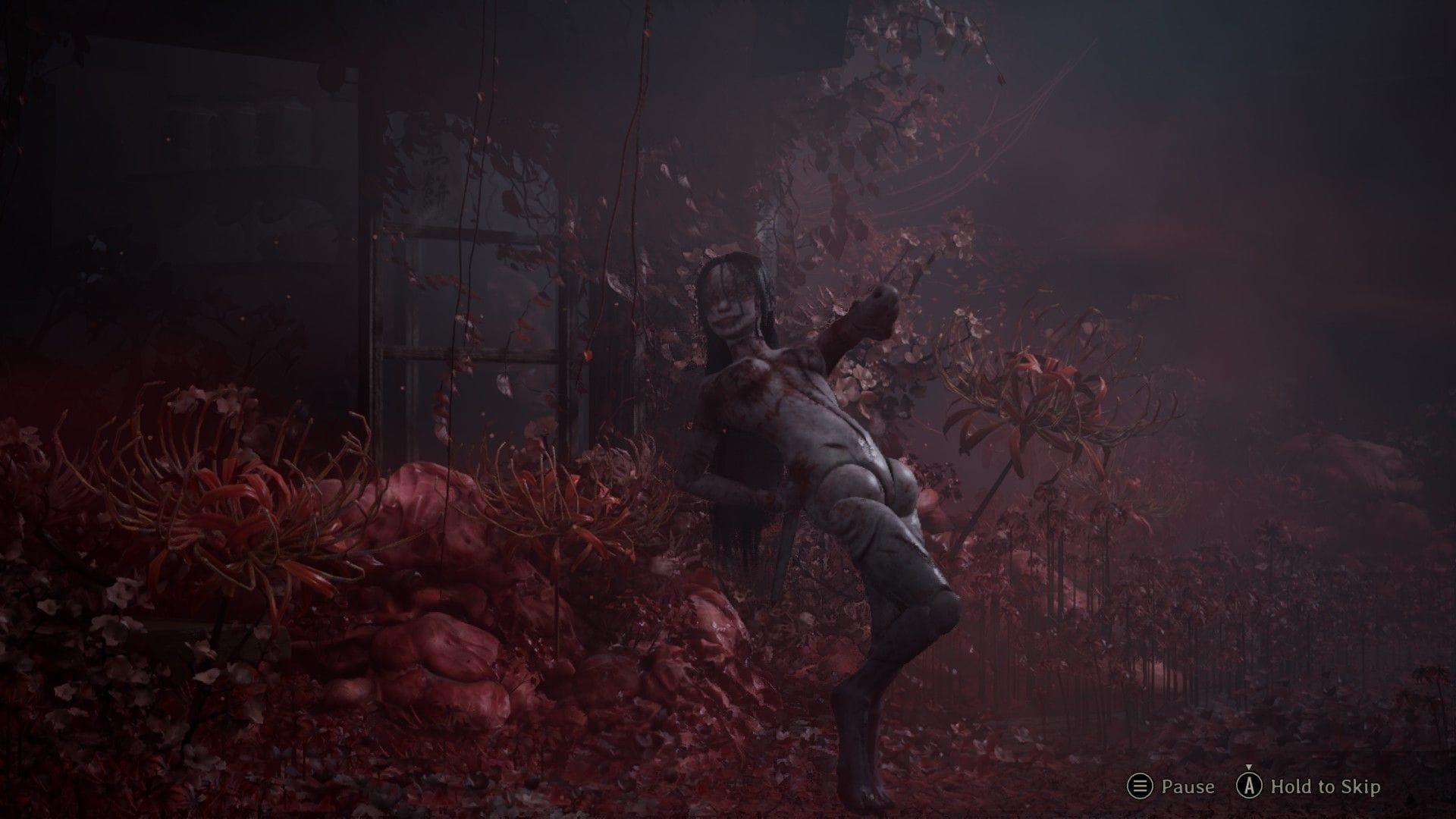
Silent Hill F introduces a sophisticated dual difficulty system that allows precise customization of your horror experience. This innovative approach separates combat challenges from puzzle complexity, giving players unprecedented control over their gameplay journey. The system reflects Konami’s commitment to accessibility while maintaining the series’ signature tension.
The action component governs enemy behavior, resource availability, and combat mechanics, while the puzzle setting independently controls the complexity of environmental challenges and riddles you’ll encounter. This separation means you can enjoy brutal combat with simpler puzzles, or vice versa, creating tailored experiences for different playstyles.
Action Difficulty Breakdown and Strategic Implications
Combat difficulty in Silent Hill F significantly alters your survival experience through two distinct settings:
The Hard difficulty transforms resource management into a core gameplay mechanic. You’ll need to master evasion techniques, environmental awareness, and selective engagement rather than confronting every threat. Ammunition becomes extremely scarce, forcing creative use of melee weapons and strategic retreats when overwhelmed.
Puzzle Difficulty Tiers and Cognitive Challenges
Silent Hill F’s puzzle system offers three distinct cognitive challenge levels that dramatically affect how you interact with the game’s environmental storytelling:
The Lost in the Fog setting essentially transforms puzzles into major gameplay obstacles that can halt progression for extended periods. This difficulty is recommended only for players who enjoy meticulous exploration and complex problem-solving as core gameplay elements.
Optimal Difficulty Combinations for Different Player Types
Selecting the right difficulty combination depends heavily on your gaming background and what you want from the Silent Hill F experience:
For complete newcomers to the franchise or horror games in general, the recommended first playthrough combination is Story difficulty for both action and puzzles. This allows comfortable acclimation to game mechanics, control schemes, and the distinctive Silent Hill atmosphere without frustration barriers. You’ll encounter fewer sudden deaths and have time to appreciate environmental storytelling.
Veteran horror enthusiasts with action game experience might prefer Hard action with Story puzzles for a combat-focused challenge that doesn’t interrupt narrative flow. Alternatively, Story action with Hard puzzles creates an experience emphasizing intellectual challenges over physical survival.
When embarking on New Game+, you’ll have system mastery that enables more ambitious combinations. Consider Hard action with Lost in the Fog puzzles for the ultimate challenge, or mix difficulties based on which aspects you found most engaging during your initial playthrough. The permanent difficulty selection means each playthrough becomes a distinctly tailored experience.
Also Read: All Silent Hill F trophies
Advanced Tactics and Common Mistakes to Avoid
Mastering Silent Hill F’s difficulty system requires understanding both strategic approaches and potential pitfalls:
Avoid overconfidence in difficulty selection – many players underestimate how punishing Hard action mode can be when resources become scarce. Before committing to higher difficulties, practice efficient combat in Story mode to develop essential survival skills. Learn to identify which enemies can be avoided entirely versus those that must be confronted.
For puzzle difficulties, don’t underestimate the cognitive leap to Lost in the Fog. This setting often requires outside-the-box thinking and may demand that you maintain detailed notes about environmental clues, symbolic patterns, and narrative hints that seem insignificant initially.
The most critical consideration is the permanent difficulty lock once your playthrough begins. Unlike many modern games, Silent Hill F doesn’t allow mid-game difficulty adjustments. This design choice reinforces commitment to your selected experience but means you must choose wisely based on honest self-assessment of your skills and patience.
Advanced players should develop resource conservation protocols regardless of difficulty. Always search environments thoroughly, combine items creatively, and recognize that sometimes retreat is the optimal strategy. In higher puzzle difficulties, adopt a systematic approach to clue documentation and pattern recognition rather than relying on memory alone.
No reproduction without permission:SeeYouSoon Game Club » All Silent Hill F Difficulty options explored: Which is the best for you Master Silent Hill F difficulty settings with expert strategies for optimal horror gameplay experience