
TL;DR
- Northern Hemisphere players get only one new bug (Tiger Beetle) but should prioritize catching five disappearing fish species before March
- Southern Hemisphere receives three valuable new fish and two insects, with the moray eel and ray offering premium bell returns
- Festivale event on February 15 brings exclusive furniture and clothing through Nook’s Cranny and Able Sisters
- Wetsuit required for Southern Hemisphere’s single new sea creature (flatworm) during evening hours
- Strategic timing and location knowledge essential for maximizing collection efficiency this month
As winter transitions toward spring in Animal Crossing: New Horizons, February introduces distinct critter availability patterns between hemispheres that require strategic collection planning. Northern Hemisphere islands experience minimal new arrivals while Southern Hemisphere players enjoy several valuable additions to their ecosystems.
The seasonal shift creates a critical window for Northern Hemisphere collectors, with five fish species departing next month creating urgency for completionists. Meanwhile, Southern Hemisphere residents can capitalize on premium-value marine life that significantly boosts bell earnings potential.
Understanding these hemispheric differences is essential for optimizing your collection strategy. Northern players should focus on preservation efforts while Southern players can expand their biodiversity with economically beneficial species.
Northern Hemisphere islands face limited new arrivals this month, with only the Tiger Beetle making its appearance. This ground-dwelling insect remains available through October, offering consistent 1,500 bell returns at Nook’s Cranny—making it one of the more valuable common bugs in the game.
The real urgency lies with five fish species scheduled to disappear in March: bitterling, football fish, sea butterfly, stringfish, and sturgeon. The stringfish particularly demands attention as a rare river species that requires substantial patience and optimal fishing conditions.
No new sea creatures join Northern Hemisphere waters this month, allowing players to concentrate on terrestrial collection efforts. This represents an ideal time to complete your Class Guide for optimizing character capabilities alongside critter collection.
| New February Bugs | Price | Location | Time |
|---|---|---|---|
| Tiger Beetle | 1,500 | On the ground | All day |
Pro Tip: Create dedicated fishing routes along your riverbanks during evening hours to maximize encounters with the departing stringfish, which appears more frequently after 4 PM.
Southern Hemisphere islands enjoy three valuable new aquatic species this month, led by the premium soft-shelled turtle at 3,750 bells. This river-dweller appears exclusively from 4 PM to 9 AM, requiring evening dedication but offering exceptional financial return.
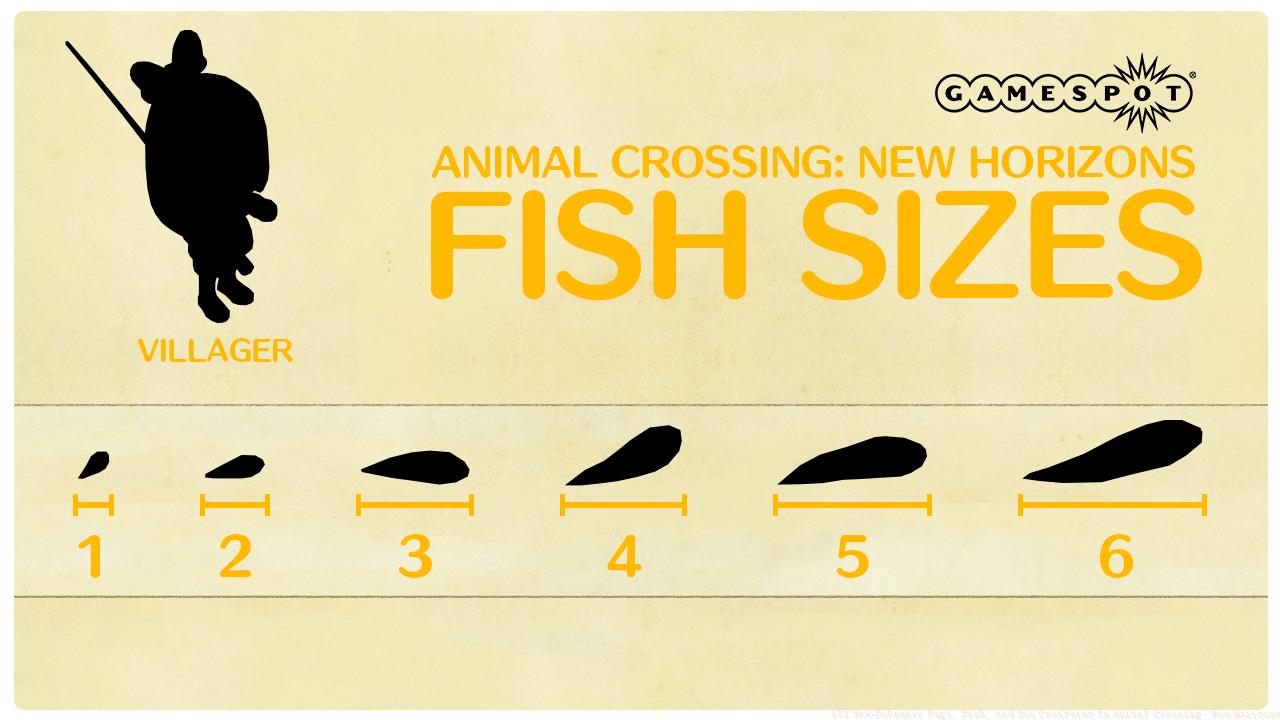
The marine additions include the moray eel (2,000 bells) available all day in ocean waters and the ray (3,000 bells) appearing from 4 AM to 9 PM. Both species feature distinct shadow sizes that help experienced anglers identify them before casting.
| New February Fish | Price | Location / Size | Time |
|---|---|---|---|
| Moray Eel | 2,000 | Sea / Narrow | All day |
| Ray | 3,000 | Sea / 5 | 4 AM – 9 PM |
| Soft-shelled Turtle | 3,750 | River / 4 | 4 PM – 9 AM |
Insect enthusiasts can welcome the rice grasshopper (160 bells, 8 AM-7 PM) and walker cicada (400 bells, 8 AM-4 PM), though their modest value makes them primarily relevant for museum completion rather than economic farming.
| New February Bugs | Price | Location | Time |
|---|---|---|---|
| Rice Grasshopper | 160 | On the ground | 8 AM – 7 PM |
| Walker Cicada | 400 | On trees | 8 AM – 4 PM |
Marine exploration reveals the flatworm as February’s sole new sea creature, valued at 700 bells and appearing from 4 PM to 9 AM. As with all diving activities, a wetsuit is mandatory equipment for collection.
| New February Sea Creatures | Price | Time |
|---|---|---|
| Flatworm | 700 | 4 PM – 9 AM |
Common Mistake: Many players overlook that the walker cicada only appears on tree trunks rather than flying randomly. Focus your search on wooded areas during daylight hours for efficient collection.
February brings vibrant seasonal events to Animal Crossing: New Horizons, starting with Valentine’s Day special items and culminating in the Festivale celebration on February 15. This colorful event, introduced in January’s free update, features Pave the dancing peacock and exclusive themed merchandise.
Nook’s Cranny and the Able Sisters currently stock limited-time Festivale furniture and clothing collections. These exclusive items cannot be obtained after the event concludes, making timely acquisition essential for completionists.
The game’s next major update arrives in March with Mario-themed furniture, creating anticipation while February’s events provide current engagement opportunities. For comprehensive event strategies, consult our Complete Guide to maximize your participation rewards.
Strategic players should balance critter collection with event participation, as Festivale offers unique rewards that complement your island’s development. The Weapons Unlock methodology applies similarly to event item acquisition—systematic approach yields best results.
Advanced Technique: Coordinate your critter hunting with event activities by planning routes that pass through decorated areas during Festivale preparations.
Action Checklist
- Prioritize catching Northern Hemisphere’s five departing fish species before March
- Farm Southern Hemisphere’s premium fish (soft-shelled turtle, ray, moray eel) for maximum bell earnings
- Acquire Festivale furniture and clothing from Nook’s Cranny and Able Sisters before February 15
- Donate Southern Hemisphere’s new insects to Blathers for museum completion
- Use wetsuit to dive for flatworm during 4 PM-9 AM time window
No reproduction without permission:SeeYouSoon Game Club » All New February Bugs, Fish, And Sea Creatures In Animal Crossing: New Horizons Complete February guide to new fish, bugs, and sea creatures in Animal Crossing: New Horizons with expert catching strategies