
Analyzing the CDL’s true impact on competitive Call of Duty esports ecosystem
The Franchise Model Revolution
The Call of Duty League’s 2020 launch marked a watershed moment for competitive Call of Duty, transitioning from open tournaments to a closed franchise system modeled after traditional sports. This $25 million buy-in structure promised stability but raised questions about who truly benefits in the esports ecosystem.
Modeled after the Overwatch League’s controversial approach, the CDL eliminated grassroots competition in favor of city-based franchises, fundamentally altering the path to professional play. While touted as professionalization, this shift primarily served Activision’s business objectives first.
 Activision
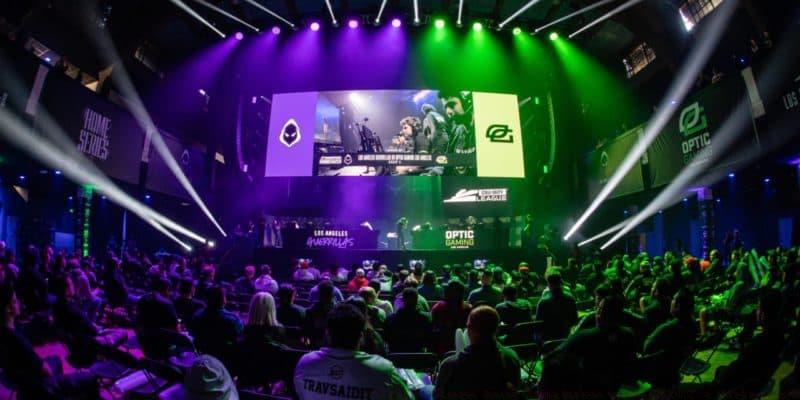
The final pre-pandemic LAN event showcased the CDL’s ambitious vision before COVID forced online play.
Activision’s Windfall
Financial Gains
The $300 million franchise windfall gave Activision Blizzard immediate ROI, with sponsorships adding millions more. Unlike traditional sports revenue sharing, teams bear most financial risk while Activision controls broadcasting rights and league operations.
Warzone’s explosive popularity created additional leverage, allowing Activision to treat CDL as premium marketing rather than a standalone product. This dual revenue stream – franchise fees plus game sales – makes CDL uniquely profitable among esports ventures.
Structural Control
Activision maintains unilateral rule-making power, exemplified by the sudden 2021 roster reduction from 5v5 to 4v4. Such changes occur without player or team input, demonstrating where true authority resides.
 LA Thieves
Franchise resales like Immortals to 100 Thieves revealed early instability in the model.
The Player Perspective
Pro Compensation
While $50k minimum salaries represent progress, frequent roster changes undermine stability. The 2021 format switch eliminated 48 starting positions overnight – a 20% reduction in professional opportunities.
Player union discussions gained urgency as contracts remain team-friendly, with most organizations retaining unilateral termination rights. Unlike traditional sports, there’s no collective bargaining for competitive integrity protections.
Amateur Challenges
The closed system eliminated Cinderella stories from open brackets. While Challengers exists, its inconsistent support creates a ‘feeder system’ with limited upward mobility. Top amateurs face immense pressure with fewer opportunities to break through.
Organization Realities
Investment Risks
Franchises face unpredictable operating costs with annual game changes requiring complete roster re-evaluations. Sponsorship restrictions further complicate revenue streams, as seen when OpTic had to drop Scuf Gaming due to CDL competitor agreements.
Sponsorship Landscape
While league-wide deals provide stability, teams sacrifice direct sponsor relationships. The CDL’s centralized model means Activision controls all major partnerships, taking a significant cut of sponsorship revenue.
Early franchise sales suggest some buyers underestimated these constraints. The league’s valuation growth depends heavily on Activision’s willingness to share more revenue with teams long-term.
Viewer Experience Changes
Accessibility Issues
With 10/12 teams in North America, international fans face unreasonable viewing times. Proposed home/away matches would further disadvantage global audiences, contrasting with esports’ traditionally borderless nature.
Competitive Narrative
The closed system lacks underdog stories that drove engagement in World League days. Predictable matchups between the same 12 teams reduce tournament drama, though production quality improvements help compensate.
 Call of Duty League
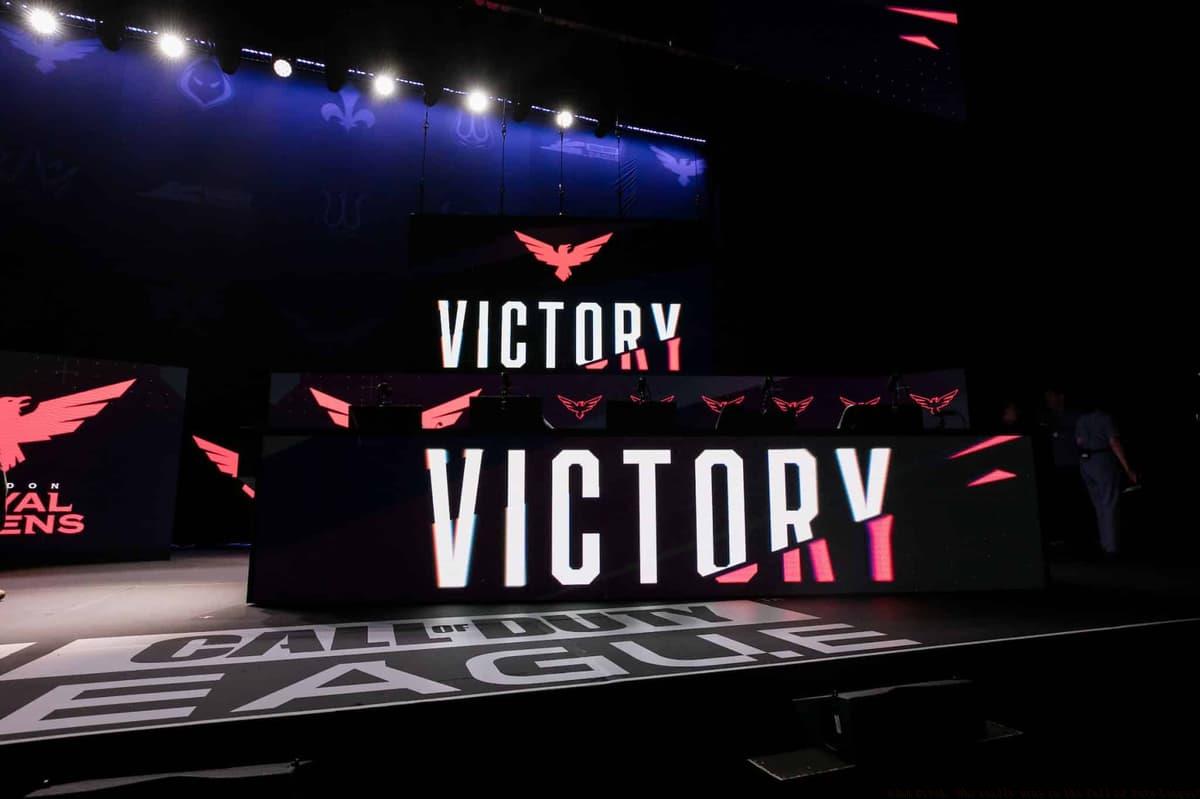
London Royal Ravens represent one of only two international franchises.
Balancing the Ecosystem
Three years in, the CDL’s benefits remain unevenly distributed. Activision secures reliable revenue while other stakeholders adapt to frequently changing rules. The league stabilized top-tier competition but at the cost of ecosystem diversity and accessibility.
For sustainable growth, the CDL must address: 1) Revenue sharing with teams 2) Player job security 3) International expansion 4) Amateur pathways. Until then, the franchise experiment favors corporate interests over competitive integrity.
No reproduction without permission:SeeYouSoon Game Club » Adam Fitch: Who really wins in the Call of Duty League? Analyzing the CDL's true impact on competitive Call of Duty esports ecosystem