
Activision-Blizzard suspends sales and microtransactions in Russia, following industry trend and pledging support for humanitarian efforts.
The Announcement and Immediate Impact
Activision-Blizzard has implemented a comprehensive suspension of its commercial operations within Russia, marking a significant shift in its market strategy. This decisive move halts the flow of new revenue from one of the world’s largest gaming markets.
In a formal internal communication, Activision-Blizzard declared an immediate stop to new game sales and in-game microtransactions in Russia. This policy affects flagship titles such as Overwatch, Call of Duty: Vanguard, and World of Warcraft, with the company also committing to double the impact of employee charitable donations.
The decision was communicated to staff by Chief Operating Officer Daniel Alegre on March 4th, framing it as a necessary response to ongoing geopolitical events. Alegre emphasized that the suspension would persist “while this conflict continues,” indicating a direct link to external circumstances. The COO’s statement, later shared publicly via the company’s official Twitter channel, placed paramount importance on employee welfare, stating, “the safety of our employees is our leadership team’s top priority.” This corporate stance reflects a broader trend where multinational companies are reassessing their operational footprints based on ethical and humanitarian considerations, not just financial metrics.
Games and Services Affected
This suspension creates a multi-layered impact on the Russian gaming community. The most immediate effect is on player acquisition, as individuals in Russia can no longer purchase new digital or physical copies of any Activision-Blizzard title. This includes recent major releases and back-catalogue games.
For ongoing live-service games, the ramifications are particularly complex. Russian players of World of Warcraft cannot renew subscriptions or purchase game time, potentially locking them out of their accounts when current time expires. Overwatch and Call of Duty players lose access to the in-game stores, preventing them from buying loot boxes, battle passes, cosmetic items, or any other digital goods. A critical and common point of confusion arises around game access: the suspension blocks monetary transactions, but does not inherently ban players from launching and playing titles they already own. However, for games with mandatory online connectivity or subscription models, the inability to pay could eventually lead to a loss of access. Players should be aware that while they might log in today, their ability to participate in future seasonal content or expansions is now severed.
Humanitarian Response and Employee Support
Alongside the commercial suspension, Activision-Blizzard activated a humanitarian support program. The company has instituted a matching fund, pledging to double donations made by its employees to approved relief organizations. This initiative has already demonstrated tangible results.
The company confirmed that this employee-driven effort has generated $300,000 in total contributions (combining employee donations and the corporate match). This approach decentralizes charitable giving, empowering individual employees to direct funds to causes they personally support while amplifying their impact. Internally, leadership has focused on providing direct assistance to staff and their families who are most affected by the ongoing crisis. This dual focus—external humanitarian aid and internal employee welfare—highlights a modern corporate responsibility model that extends beyond simple public statements. A common mistake in such situations is for companies to announce grand policies without robust internal support mechanisms; Activision-Blizzard’s mention of assisting employees’ families suggests a more holistic approach, though its full scope remains to be evaluated.
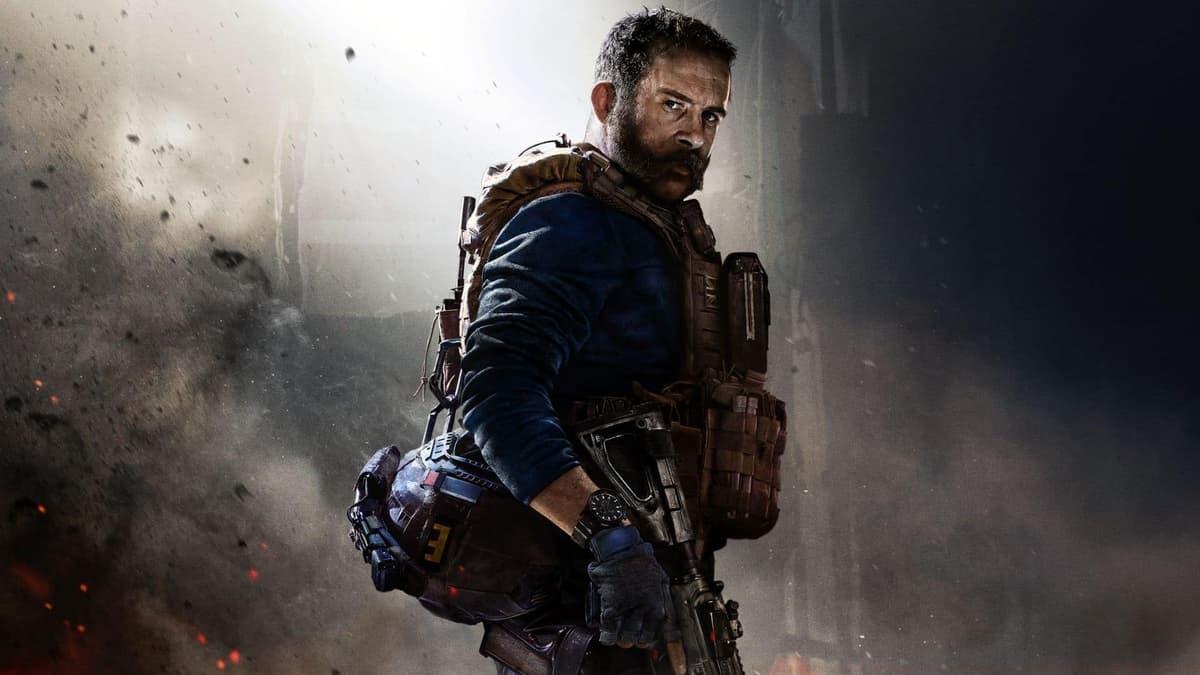 Activision
The suspension of sales and microtransactions represents a significant financial withdrawal, but is paired with a commitment to humanitarian aid through matched donations.
Industry Context and Precedent
Activision-Blizzard’s move is not an isolated action but part of a concerted response from the global video game industry. Several other major publishers have taken similar steps, establishing a clear precedent.
The publisher is following the path set by companies like Riot Games and Electronic Arts. Riot Games, developer of League of Legends and Valorant, initiated in-game fundraisers and dedicated $1 million of its own capital to relief efforts. Electronic Arts took a more comprehensive approach by delisting all its titles, including popular live-service games like Apex Legends and FIFA 22, from Russian storefronts and platforms. This industry-wide trend signifies a collective reassessment of business operations in the region. The suspension by Activision-Blizzard, described as “indefinite,” mirrors the open-ended nature of these other corporate decisions. For players and industry observers, this creates a new normal where access to major international game franchises in certain regions can be rapidly altered in response to world events, underscoring the political dimension of digital entertainment distribution.
Practical Implications and Player Guidance
For gamers in Russia, navigating this new landscape requires understanding the specific boundaries of the suspension. The primary rule is simple: no new monetary transactions with Activision-Blizzard are possible. This applies across all platforms—Battle.net, console marketplaces, and physical retail partners distributing codes.
Practical Tip: Players with active subscriptions (like World of Warcraft) should note their expiry date. Once lapsed, they cannot be renewed. Consider maximizing gameplay before that date. For games like Overwatch 2 or Call of Duty: Warzone 2.0 that are free-to-play but monetize via battle passes and cosmetics, access to the core game should continue, but all premium tracks and item shops will be inaccessible. Common Mistake to Avoid: Attempting to use VPNs or third-party key resellers to circumvent the blockade. This often violates the Terms of Service and can result in permanent account bans, causing total loss of progress and libraries. The safer strategy is to explore regional alternatives or shift focus to games from publishers not participating in the suspension. The long-term outlook remains uncertain. These suspensions are tied to the geopolitical situation, meaning they could be reversed if circumstances change, or could become permanent fixtures, reshaping the Russian gaming ecosystem around domestic and non-participating international developers.
No reproduction without permission:SeeYouSoon Game Club » Activision-Blizzard suspends sales in Russia, Overwatch & Call of Duty affected Activision-Blizzard suspends sales and microtransactions in Russia, following industry trend and pledging support for humanitarian efforts.