
Understanding Activision Blizzard’s diversity tool controversy: what went wrong, lessons learned, and better approaches for game developers
The Diversity Space Tool Backlash Explained
Activision Blizzard recently found itself at the center of a significant controversy after unveiling their Diversity Space Tool, which sparked immediate backlash across gaming communities and social media platforms. The tool was designed as a measurement device intended to quantify character diversity metrics, but critics quickly labeled it as reductive and problematic for attempting to measure human diversity through mathematical formulas.
Activision Blizzard faced intense criticism after their Diversity Space Tool was perceived as reducing complex human identities to simplistic, numerical metrics that many found offensive and dehumanizing.
On May 12th, 2023, Activision Blizzard introduced their Diversity Space Tool with the stated purpose of helping development teams “identify how diverse a set of character traits are” by comparing them against established norms. The company described it as a prototype measurement device meant to support diversity, equity, and inclusion (DE&I) initiatives. However, the tool’s approach ignited immediate debate across Twitter, Reddit, and gaming forums. Critics argued that the system reduced nuanced aspects of identity—including race, gender, sexuality, and disability—to “weird and degrading metrics” that failed to capture the complexity of human experience. Supporters contended the company had good intentions despite what they acknowledged was a “cringe-worthy” implementation. In response to mounting criticism, Activision Blizzard clarified that the tool represented only “one small component” of their broader DE&I efforts and issued an apology for any offense caused by their initial announcement.
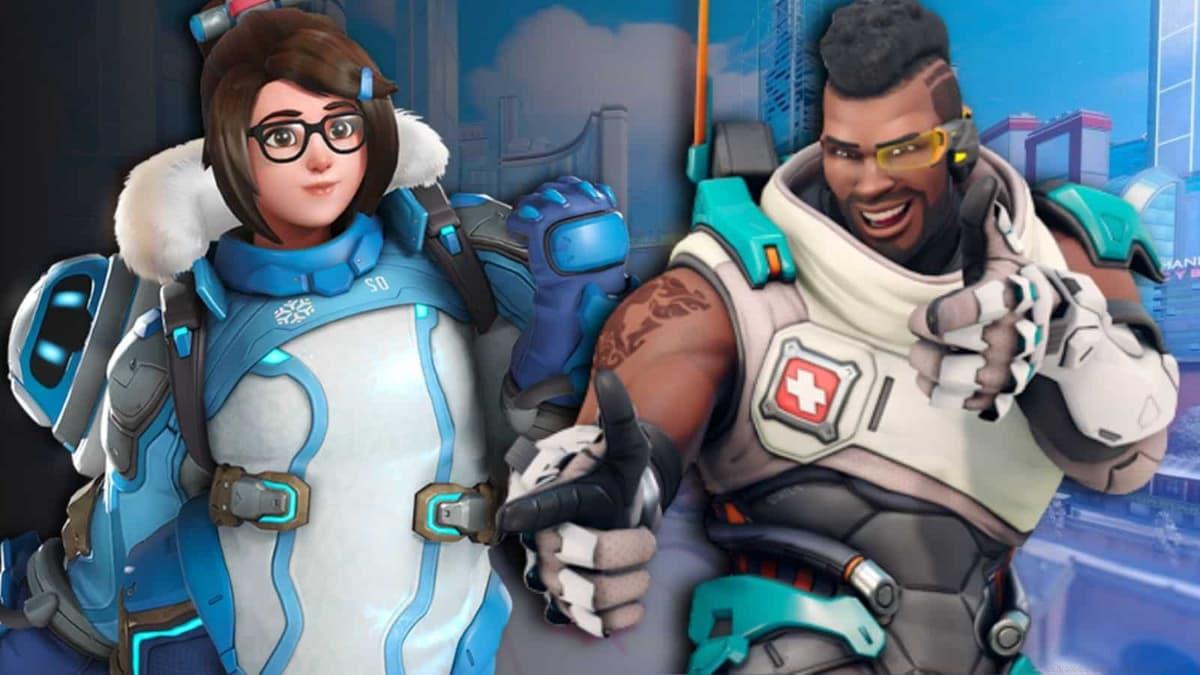 Activision
The controversy highlights growing tensions between corporate diversity initiatives and community expectations for authentic representation. “We recently shared a blog post that raised questions about how we approach diversity in our games,” the company stated. “While the prototype tool has been tested internally, it is not in active use. Our development teams have always and will continue to drive in-game content.”
Community Reactions and Corporate Response
“We have updated our original post to clarify that this tool represents just one component of our broader diversity efforts and should never serve as a replacement for diverse perspectives,” Activision Blizzard explained in their follow-up statement. “We sincerely regret any offense that our initial communication may have caused.” The company included a link to their Twitter apology, which generated mixed reactions similar to their original announcement. Many gamers expressed frustration with what they perceived as corporate “diversity theater”—superficial efforts that prioritize metrics over meaningful change.
One particularly vocal critic on social media urged developers to “organically integrate diverse characters into narrative structures rather than treating representation as quota fulfillment.” Another community member suggested that hiring more diverse creative talent would yield better results than implementing mathematical measurement systems. In response to this feedback, Activision Blizzard edited their blog post to emphasize that the tool “isn’t meant to be used in isolation” and should complement rather than replace human creative judgment.
Practical Strategies for Authentic Diversity in Games
Based on the lessons from this controversy, game developers can implement more effective diversity approaches. First, establish diverse hiring pipelines that bring varied perspectives into development teams from the beginning. Second, involve community consultants from underrepresented groups during character design phases. Third, prioritize narrative integration over checkbox diversity—characters should serve story purposes beyond representation metrics.
Common Mistakes to Avoid:
- Reductionist Metrics: Avoid quantifying complex identities with simplistic numerical scores
- Tokenism: Resist creating characters solely to meet diversity quotas without meaningful development
- Isolated Tools: Don’t rely on measurement systems without complementary human judgment and creative input
- Corporate Jargon: Avoid language that feels disconnected from genuine community concerns
Optimization Tips for Advanced Development Teams:
- Implement sensitivity reading processes with compensation for community experts
- Create character bibles that detail background, motivations, and relationships beyond surface traits
- Establish ongoing feedback loops with diverse player communities throughout development
- Track qualitative metrics (player testimonials, community sentiment) alongside any quantitative data
Industry Implications and Future Directions
The Diversity Space Tool controversy reflects broader industry tensions around how major studios approach representation. As gaming audiences become increasingly diverse, expectations for authentic representation continue to rise. Successful approaches typically involve:
- Early Integration: Incorporating diverse perspectives during pre-production rather than as post-production checks
- Holistic Development: Considering intersectional identities rather than isolated trait measurements
- Community Collaboration: Partnering with advocacy groups and cultural consultants
- Transparent Communication: Clearly explaining diversity approaches without corporate jargon
Game developers should view this incident as a learning opportunity rather than a reason to avoid diversity initiatives altogether. The key distinction lies between performative metrics and meaningful inclusion—between checking boxes and creating characters that resonate authentically with diverse audiences. As the industry evolves, the most successful titles will likely be those that navigate these complexities with both technical tools and human empathy.
No reproduction without permission:SeeYouSoon Game Club » Activision Blizzard apologize following backlash over new diversity tool Understanding Activision Blizzard's diversity tool controversy: what went wrong, lessons learned, and better approaches for game developers