
Mastering Resident Evil’s most iconic characters: from origin stories to gameplay impact and franchise evolution
Franchise Evolution and Character Legacy
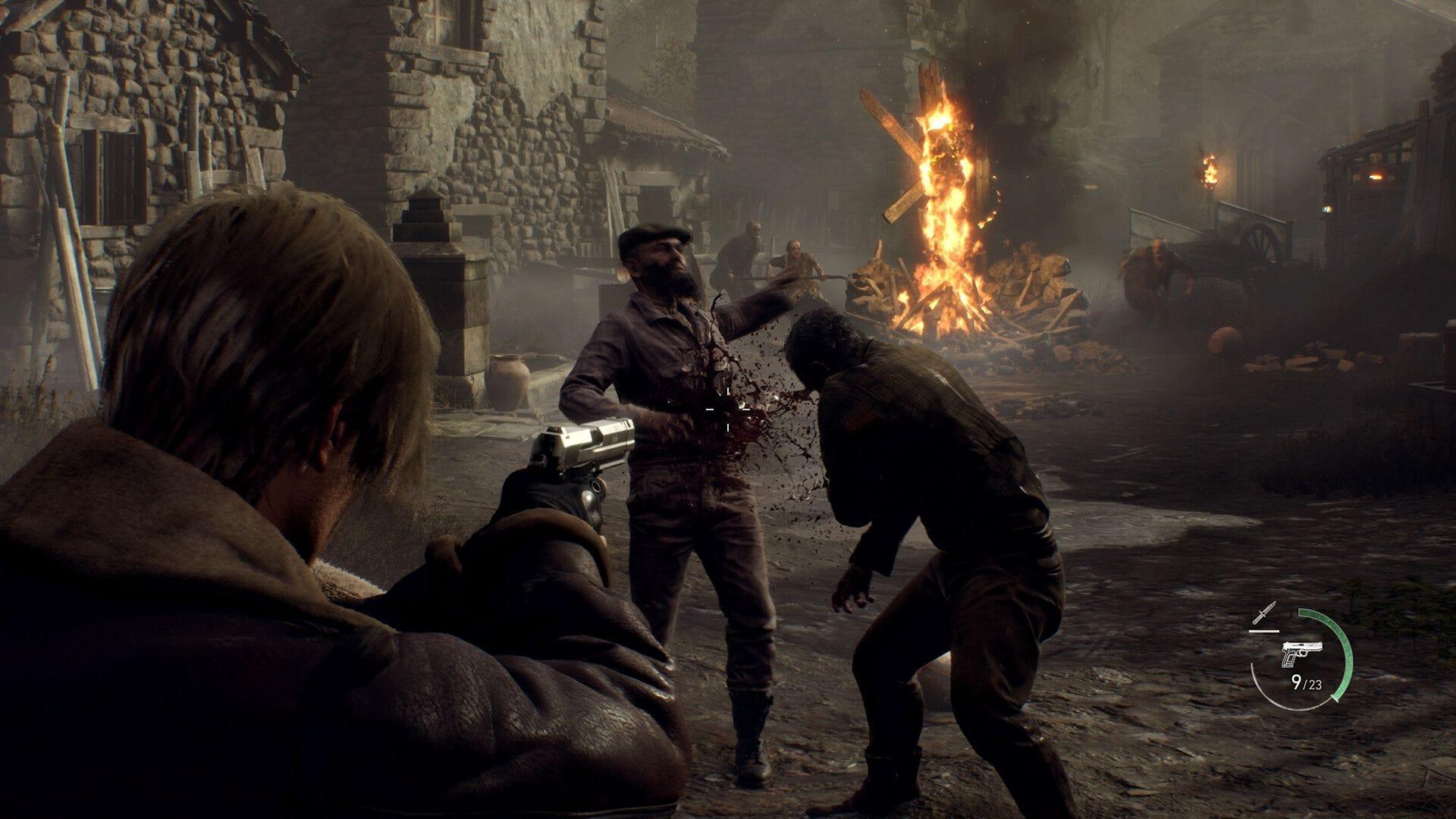
The Resident Evil franchise represents one of gaming’s most enduring horror series, spanning over two decades of terrifying storytelling. This legendary IP has demonstrated remarkable longevity while navigating significant creative shifts. Following a noticeable quality decline during the sixth main installment’s release period, Resident Evil 7: Biohazard successfully reinvigorated the series through innovative gameplay mechanics. With Resident Evil Village earning widespread critical acclaim and the impending ninth entry officially announced, the property approaches its historical peak performance levels.
Understanding character evolution provides crucial context for appreciating the franchise’s narrative depth and gameplay innovations across different eras.
Character Analysis: Heroes and Their Impact
Jill Valentine emerged as an original franchise protagonist, maintaining consistent popularity throughout the series’ evolution. The Special Operations Agent remains as iconic as the infamous Spencer Mansion where she first appeared. Her “master of unlocking” reputation stems from exceptional lockpicking skills that provide strategic advantages. Beyond her debut, Jill features prominently in Resident Evil 3, The Umbrella Chronicles, Resident Evil 5, and Revelations series, demonstrating her enduring narrative importance.
As the solitary protagonist in the third numbered installment, Jill broke new ground by carrying an entire game without alternating character perspectives. This singular focus demonstrated developer confidence in her character appeal and gameplay viability. While Carlos Oliveira received limited playable segments in the Resident Evil 3 Remake, Jill’s dominance throughout the experience reinforced her flagship status.
Chris Redfield currently holds the record for most canonical appearances across the franchise, featuring in seven mainline games. His character transformation reached its zenith in Resident Evil 5, evolving from a competent special forces operative into an exceptionally powerful physical specimen capable of remarkable feats. This dramatic character development reflected the series’ temporary shift toward action-oriented gameplay.
Despite mixed reception regarding his narrative treatment during the Ethan Winters storyline, Chris maintained strong fan support and character relevance. His continued presence demonstrates how established characters can successfully transition across different gameplay eras and narrative tones.
Ethan Winters represents the franchise’s revitalization era, appearing as protagonist in only two games but leaving an indelible mark. His connection to the series’ successful return to horror roots following Resident Evil 6’s disappointing performance makes him particularly memorable. After the sixth installment’s excessive action focus alienated core fans, the franchise future appeared uncertain until Capcom’s strategic pivot.
Resident Evil 7: Biohazard’s revolutionary first-person perspective, intense atmospheric tension, and Ethan’s everyman perspective created a triumphant back-to-basics approach. This calculated return to survival horror fundamentals successfully restored franchise credibility while introducing modern gameplay innovations.
Villain Archetypes and Evolution
Albert Wesker stands among the most recognizable antagonists in survival horror gaming history. Throughout early series entries leading to Resident Evil 5, he embodied sophisticated manipulation and shadowy conspiracy. The fifth installment dramatically reinvented him as an exaggerated superpowered villain, embracing campy aesthetics that ironically enhanced his iconic status through sheer memorability.
While Mr. X doesn’t necessarily rank as the franchise’s most complex villain, his cultural impact revolutionized horror game design. Despite Resident Evil 2 featuring numerous terrifying sequences, nothing generated sustained dread like the Tyrant’s relentless pursuit. His unstoppable stalker mechanics established a new horror subgenre that numerous subsequent games would emulate.
Capcom clearly recognized Mr. X’s profound influence, as evidenced by Nemesis’ prominent positioning in the Resident Evil 3 Remake. The Tyrant’s successful formula directly inspired this even more persistent pursuer, demonstrating how effective villain design can shape future franchise directions and industry trends.
Supporting Cast and Modern Relevance
Ada Wong initially appeared in Resident Evil 2 but achieved true prominence through Resident Evil 4. This landmark installment included her standalone Separate Ways campaign, providing expanded narrative context and gameplay variety. Her role further expanded in Resident Evil 6 as one of four primary playable characters, demonstrating her growing franchise importance across three key appearances.
Recent player familiarity with Ada stems from her enhanced portrayal in the Resident Evil 4 Remake’s Separate Ways expansion. This updated interpretation refined her character mechanics and narrative significance, ensuring continued relevance within the modern franchise landscape while honoring her established legacy.
The mysterious operative’s enduring appeal demonstrates how supporting characters can evolve into franchise pillars through strategic narrative development and gameplay integration.
Gameplay Strategies and Character Utilization
Mastering Resident Evil requires understanding how different characters influence gameplay dynamics. Jill Valentine’s lockpicking proficiency provides early access to restricted areas, enabling superior resource gathering and sequence breaking opportunities. Strategic players should prioritize her when exploration and item collection are crucial to survival.
Chris Redfield’s combat-focused abilities make him ideal for aggressive playstyles and boss encounters. His enhanced physical capabilities allow players to confront threats directly rather than employing evasion tactics. However, this approach requires careful ammunition management to avoid resource depletion during extended engagements.
Common beginner mistakes include underestimating environmental storytelling and character-specific advantages. Advanced players should study enemy patterns specific to each character’s campaign, as developer Capcom often tailors encounters to highlight particular strengths and weaknesses.
Optimization strategies involve matching character selection to preferred gameplay approaches while understanding how each protagonist’s narrative context affects available resources and enemy encounters throughout their respective campaigns.
No reproduction without permission:SeeYouSoon Game Club » 7 most iconic characters from the Resident Evil franchise Mastering Resident Evil's most iconic characters: from origin stories to gameplay impact and franchise evolution