
Discover the 5 revolutionary upgrades transforming Oblivion from 2006 classic to 2025 masterpiece
Introduction: More Than Just a Visual Upgrade
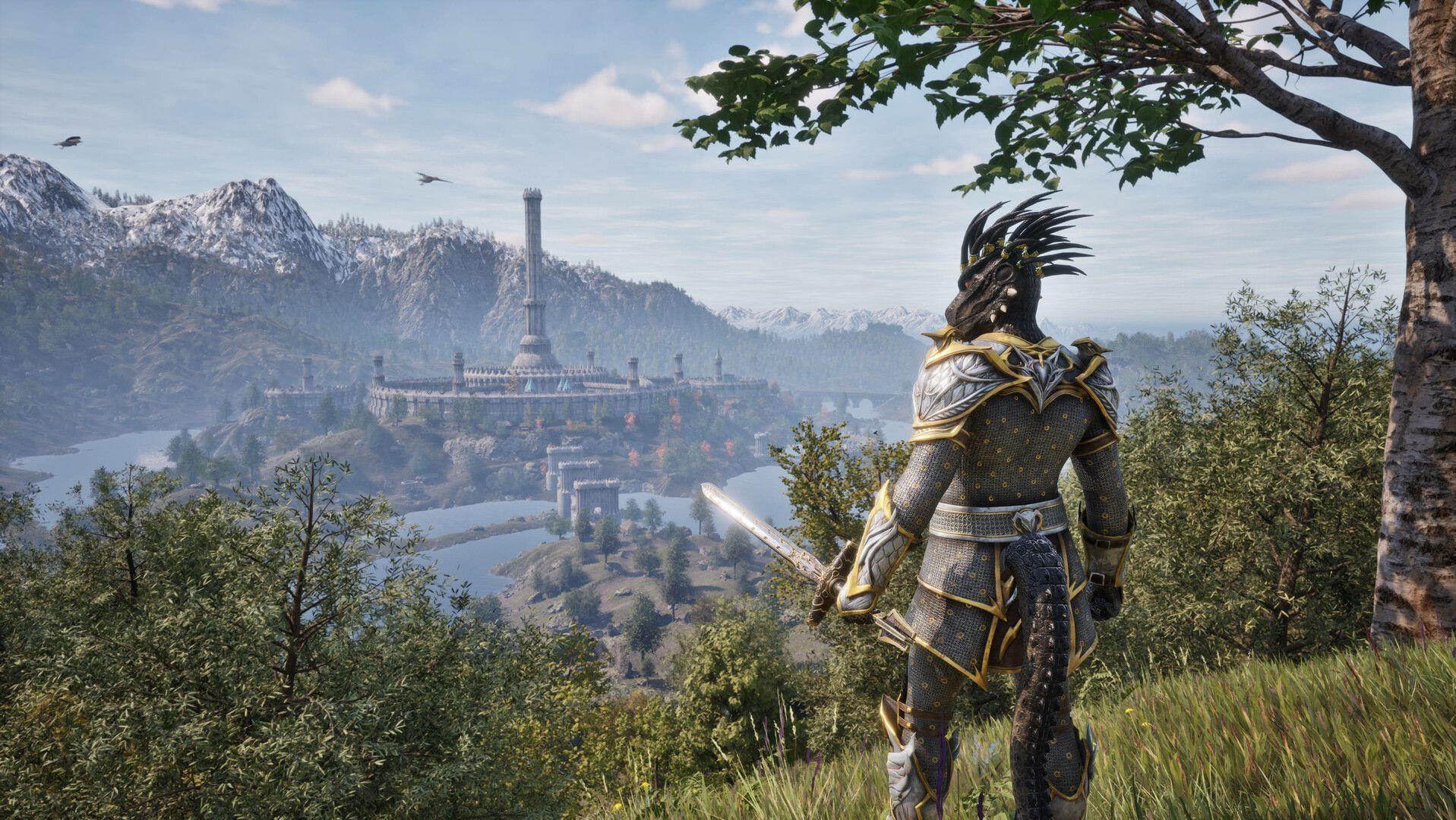
Bethesda’s official launch of The Elder Scrolls IV: Oblivion Remastered represents far more than superficial graphical enhancements. The 2006 original established new standards for open-world RPGs with its revolutionary visuals, expansive world design, and deeply immersive lore. Nearly twenty years later, this comprehensive remaster leverages contemporary hardware capabilities while preserving the soul of the classic experience.
For players returning after nearly two decades, the improvements extend beyond what meets the eye. The fundamental gameplay systems have been thoughtfully modernized to align with current genre expectations while maintaining the unique charm that made Oblivion legendary.
Visual Revolution: From Dated to Cutting-Edge
The graphical transformation in Oblivion Remastered immediately captures attention. While the 2006 version was technologically impressive for its era, modern players would find its visual presentation significantly outdated. The remaster harnesses Unreal Engine 5’s capabilities to deliver photorealistic lighting systems, dynamic shadow rendering, and meticulously detailed character models that bring NPCs to life.
Environmental assets have been completely rebuilt with dynamic weather patterns that affect gameplay visibility and atmosphere. Ray tracing support introduces realistic light reflection and refraction, making dungeons and outdoor environments feel genuinely immersive. These visual enhancements maintain the original’s artistic direction while dramatically elevating technical fidelity.
Pro Tip: Enable ray tracing during nighttime exploration for dramatically improved visibility in dark areas, but consider disabling it during performance-intensive combat sequences if experiencing frame rate drops.
The trade-off for these visual improvements includes substantially larger installation sizes. Players should ensure adequate storage space and consider SSD installation for optimal loading performance throughout Cyrodiil’s expansive landscapes.
Combat Overhaul: Fluid and Tactical Battles
Combat mechanics in the original Oblivion often felt restrictive and repetitive by contemporary action-RPG standards. The remastered edition completely reworks the fighting system to deliver fluid, responsive encounters that reward tactical thinking. Animation improvements create more natural movement and impact feedback during engagements.
Melee combat introduces combo attack sequences that allow skilled players to chain strikes together for increased damage output. Different weapon types now feature unique combo patterns, encouraging experimentation with various armaments. Archery systems have been refined with improved projectile physics and more responsive aiming controls that make ranged combat genuinely viable as a primary playstyle.
Common Mistake: Many players overlook the importance of stamina management in the new combat system. Depleted stamina significantly reduces damage output – always monitor your green bar during extended engagements.
Enemy reactions to damage have been enhanced, creating more visceral feedback when attacks connect. Different enemy types now display distinctive hit reactions based on weapon types and attack angles, providing valuable combat information for strategic adjustments.
Leveling System: Smarter Character Progression
The original Oblivion featured an innovative but frequently confusing progression system that sometimes punished players for skill development outside their specialization. The remastered version introduces a streamlined approach that maintains depth while improving accessibility. Upon leveling up, characters now receive 12 Virtue Points for direct attribute allocation.
Perhaps the most significant change involves experience acquisition – both major and minor skills now contribute to overall progression, eliminating the counterintuitive restriction that limited advancement to only primary skills. This allows for more organic character development without penalizing exploration of diverse playstyles.
Optimization Tip: Distribute your Virtue Points strategically rather than evenly across all attributes. Focus on enhancing your primary combat attributes first, then supplement with supporting stats based on your chosen specialization.
The revised system accommodates hybrid builds more effectively, allowing players to combine magic, stealth, and combat skills without progression penalties. This flexibility encourages experimentation with unconventional character concepts that were previously impractical.
Stealth Mechanics: Precision Stealth Gameplay
Stealth enthusiasts will appreciate the dramatically improved detection system in Oblivion Remastered. The original implementation used a binary eye icon that provided minimal feedback about detection states, making stealth gameplay somewhat unpredictable. The redesigned system introduces gradual visibility feedback through a dynamically adjusting eye indicator.
The detection meter now smoothly transitions between states based on multiple factors including lighting conditions, movement speed, noise generation, and line of sight. This granular feedback enables precise stealth maneuvering and better understanding of detection mechanics. The system accounts for environmental factors like surface materials that affect noise generation.
Advanced Technique: Crouch-walking on stone surfaces generates significantly more noise than moving across dirt or grass. Plan your infiltration routes accordingly, and utilize shadowed areas even when the detection meter appears favorable.
This enhancement transforms stealth from a gamble into a strategic gameplay element. Players can now make informed decisions about movement timing and positioning, creating more engaging stealth sequences throughout main quests and faction storylines.
Movement and Exploration: Enhanced World Navigation
Navigation in the original Oblivion offered basic movement options that sometimes felt restrictive given the massive scale of Cyrodiil. The introduction of sprinting functionality addresses this limitation, bringing the game in line with modern open-world standards. This seemingly simple addition profoundly impacts both exploration and combat dynamics.
Sprinting enables rapid traversal across expansive landscapes, significantly reducing downtime between destinations. The mechanic integrates seamlessly with combat, allowing quick repositioning during battles and effective evasion of dangerous encounters. Movement speed now factors into stealth detection, creating meaningful trade-offs between speed and visibility.
Exploration Strategy: Use sprinting strategically rather than constantly – the stamina drain can leave you vulnerable in unexpected combat situations. Reserve sprint for open areas where detection is less concerning and recover stamina before entering potentially hostile locations.
The pacing improvement extends beyond mere convenience, transforming how players experience the world. Chase sequences, timed quests, and emergency retreats all benefit from the added mobility options, creating more dynamic gameplay moments throughout the adventure.
No reproduction without permission:SeeYouSoon Game Club » 5 Things that are different in Oblivion Remastered vs the original Discover the 5 revolutionary upgrades transforming Oblivion from 2006 classic to 2025 masterpiece