
Five essential strategies CD Projekt Red must implement to make the next Witcher game surpass its legendary predecessor
Evolving Beyond Geralt: Fresh Protagonist Approaches
The next Witcher installment demands innovative protagonist design that respects series legacy while forging new paths. Here’s how CD Projekt Red can achieve this delicate balance.
Following The Witcher 3’s masterful conclusion to Geralt’s narrative arc, revisiting the iconic character risks undermining his satisfying retirement. The gaming landscape has evolved dramatically since 2015, with player expectations for character depth and customization reaching new heights. CD Projekt Red faces the challenge of honoring established lore while delivering fresh experiences that justify a new chapter rather than feeling like unnecessary continuation.
 CD Projekt Red
Strategic protagonist design will determine the new game’s narrative success
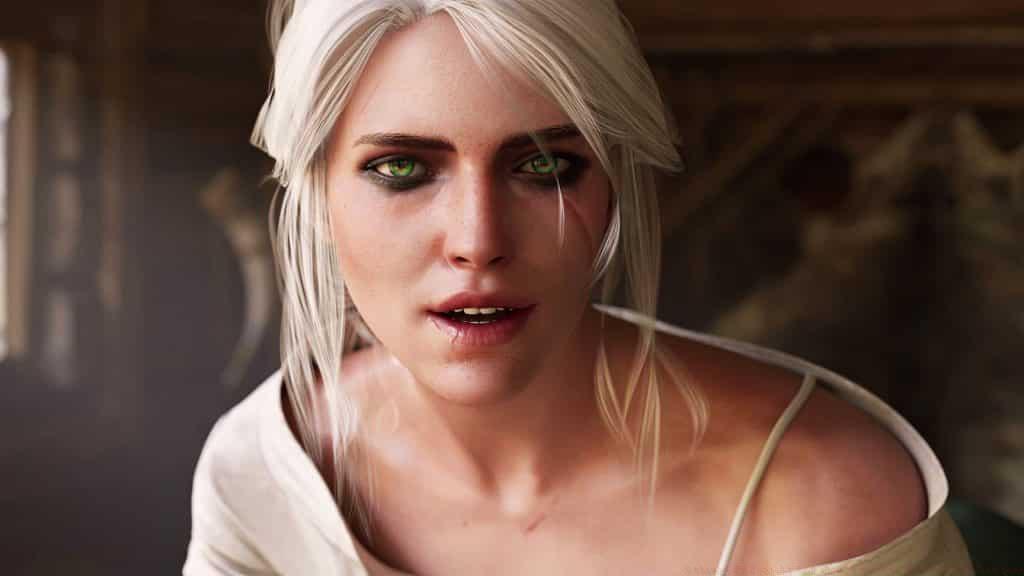
Ciri represents the most logical successor, given her established connection to Geralt and proven popularity among fans. Her journey from secondary character to protagonist could mirror her growth from apprentice to master Witcher. However, her overwhelming power level by The Witcher 3’s conclusion requires careful narrative handling. A compelling approach would involve a catastrophic event that temporarily strips her of Elder Blood abilities, forcing reliance on core Witcher training and creating meaningful progression systems.
 CD Projekt Red
Ciri’s transition to protagonist requires careful power balancing
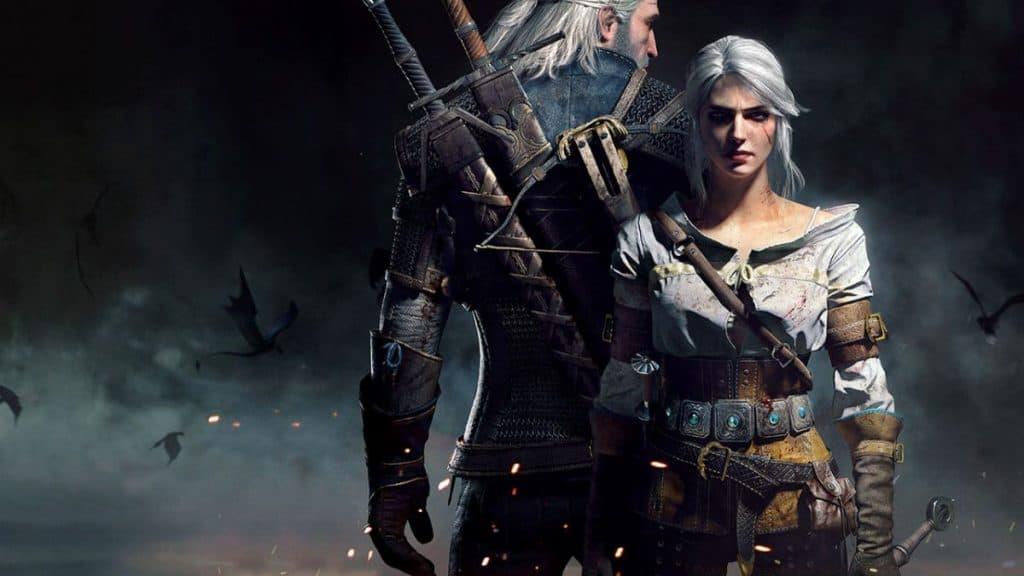
For maximum player agency, a custom character creation system could revolutionize the franchise. Imagine designing your own Witcher from emerging schools like the Lynx, each with unique combat philosophies and skill trees. This approach would dramatically enhance replayability while accommodating diverse playstyles—from magic-focused mage hunters to stealth-oriented assassins. The key lies in maintaining Witcher authenticity while offering meaningful customization that affects narrative and gameplay outcomes.
Pro Tip: When designing custom protagonists, ensure that character background choices influence dialogue options, faction relationships, and available questlines for authentic role-playing depth.
 CD Projekt Red
Custom character creation could open new narrative possibilities
Crafting Unforgettable Antagonists
The Wild Hunt established a high bar for villain complexity, blending supernatural threat with emotional resonance. Future antagonists must surpass this standard through layered motivations and meaningful player engagement.
Modern gaming audiences reject simplistic evil archetypes, demanding villains with understandable—if not sympathetic—motivations. The next primary antagonist should embody moral ambiguity that challenges player perspectives. Consider antagonists fighting for just causes through extreme methods, or former allies turned adversaries by conflicting ideals. This complexity creates memorable conflicts where victory carries emotional weight rather than simple triumph.
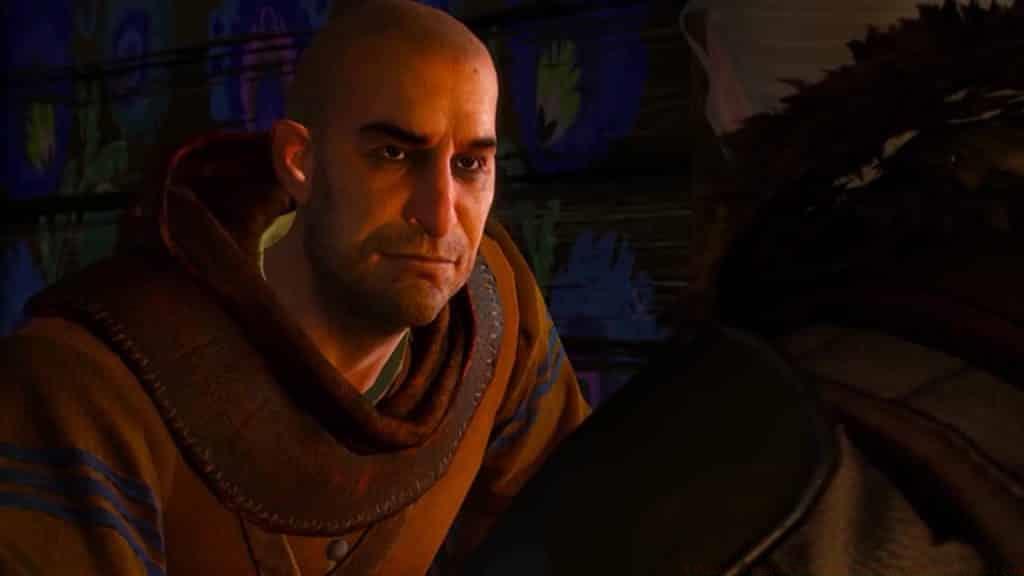
Gaunter O’Dimm represents the perfect returning threat, given his established power level and unfinished business with Geralt. As a near-omnipotent entity, his defeat in Hearts of Stone was merely temporary, setting the stage for a grander confrontation. His manipulative nature and reality-warping abilities could threaten the entire Continent, requiring unconventional solutions beyond brute force.
 cd projekt red
Gaunter O’Dimm’s return would elevate narrative stakes significantly
Multiple antagonist factions could revolutionize player agency, allowing alignment with competing forces rather than simple opposition. Imagine choosing between a militaristic order restoring stability through oppression versus chaotic freedom fighters undermining societal structure. Each faction should offer genuine benefits and moral compromises, with alliance choices permanently altering available content and world state.
Common Mistake to Avoid: Don’t create faction systems where choices feel inconsequential. Ensure each alliance unlocks unique story branches, character interactions, and gameplay mechanics that reward repeated playthroughs.
Deepening Moral Complexity Systems
The Witcher’s signature moral ambiguity requires evolution beyond binary choices, incorporating long-term consequences that reshape the game world and player identity.
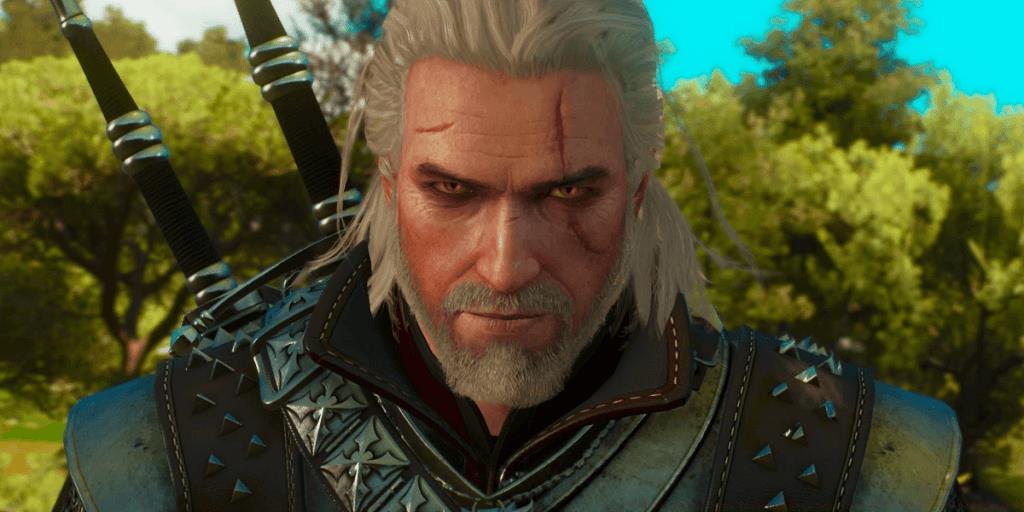
Building on The Witcher 3’s impactful decision systems, the next installment should implement choices with delayed consequences that emerge hours later. A decision in the opening act might determine which settlements survive until the endgame, or which allies remain available during critical moments. This approach reinforces the weight of each choice while preventing save-scumming behavior that undermines narrative tension.
Reputation systems should extend beyond simple faction standing, influencing how NPCs interact based on your established patterns. A Witcher known for merciful solutions might receive different quest opportunities than one with a ruthless reputation. Shop prices, information access, and even available romance options could reflect your accumulated moral identity.
 CD Projekt Red
Moral choices should define your Witcher’s legacy throughout the game
The tree spirit dilemma from The Witcher 3 exemplifies perfect moral complexity—both choices save lives while costing others. Future scenarios should incorporate third, hidden options requiring specific conditions or character development. These secret resolutions reward thorough exploration and character specialization while maintaining the series’ signature ‘no perfect solutions’ philosophy.
Optimization Tip: When facing moral dilemmas, thoroughly investigate all involved parties and locations before deciding. Hidden clues often reveal alternative solutions or mitigate negative consequences.
Modern Open-World Design Innovations
Contemporary open-world standards demand organic discovery over guided tourism. The next Witcher game must embrace player-driven exploration while maintaining narrative coherence.
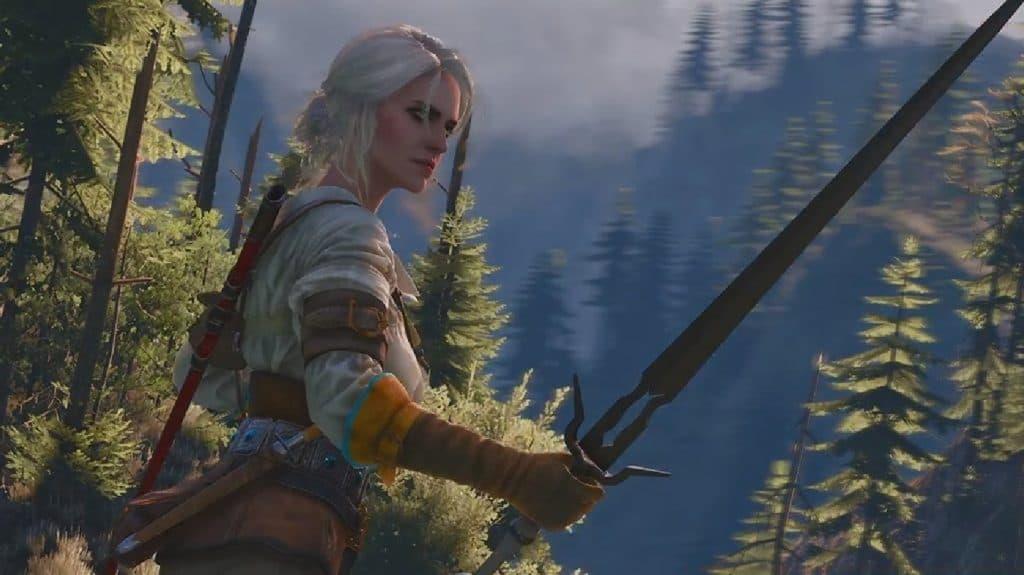
Elden Ring demonstrated the power of environmental storytelling and intrinsic motivation. The Continent should feel like a living world where major discoveries emerge naturally rather than through map markers. Distant landmarks, overheard conversations, and found documents should guide exploration, creating personal investment in uncovering secrets.
Multiple starting hubs would ensure unique player experiences from the opening hours. Imagine beginning in different regions with distinct cultural conflicts and monster populations. Your initial location could influence available gear, early-game allies, and perceived faction allegiances before the main narrative converges.
 CD Projekt Red
Organic exploration systems create memorable personal stories
Dynamic world events should replace repetitive radiant quests. Monster migrations, political shifts, and economic changes could create evolving challenges that respond to player actions. A cleared monster nest might become a bandit hideout weeks later, or a saved village could develop into a trading hub with unique services.
Common Mistake: Avoid creating empty open worlds filled with repetitive content. Ensure every location tells a story or serves a gameplay purpose, even if that purpose isn’t immediately obvious.
Combat Evolution and Weapon Diversity
While The Witcher 3’s combat system served its purpose, modern action RPG standards demand deeper mechanical engagement and tactical variety.
The traditional silver/steel sword dichotomy provides solid foundation but limits combat creativity. New weapon categories could revolutionize engagement strategies. Silver-tipped arrows for ranged monster hunting, specialized rapiers for precision dueling, or massive zweihanders for crushing armored foes—each weapon type should enable distinct combat approaches rather than simple stat differences.
Witcher school specializations should dramatically alter gameplay philosophy. The School of the Lynx might emphasize stealth and single-target elimination, while the School of the Manticone focuses on area control and crowd management. Each specialization would feature unique skill trees, gear sets, and even narrative opportunities reflecting their philosophies.
Combat pacing requires significant overhaul to match contemporary standards. Weighty, impactful strikes with proper hit reactions, sophisticated dodging mechanics with i-frame management, and stamina systems that reward tactical patience over button mashing. Monster encounters should demand observation and preparation rather than reflexive combat mastery.
Advanced Strategy: Master weapon switching during combat to exploit enemy weaknesses. Different monster types should have specific vulnerabilities to particular weapon categories beyond simple silver effectiveness.
The alchemy and sign systems need similar expansion. Potion recipes could require rare ingredients with seasonal availability, while signs might evolve based on usage patterns or discovered ancient knowledge. This progression system would reward dedicated exploration and experimentation.
No reproduction without permission:SeeYouSoon Game Club » 5 things CD Projekt Red should do with the next Witcher game Five essential strategies CD Projekt Red must implement to make the next Witcher game surpass its legendary predecessor