
Essential esports titles that should join the World Cup lineup to enhance competitive gaming diversity
Introduction: The Expanding Esports Landscape
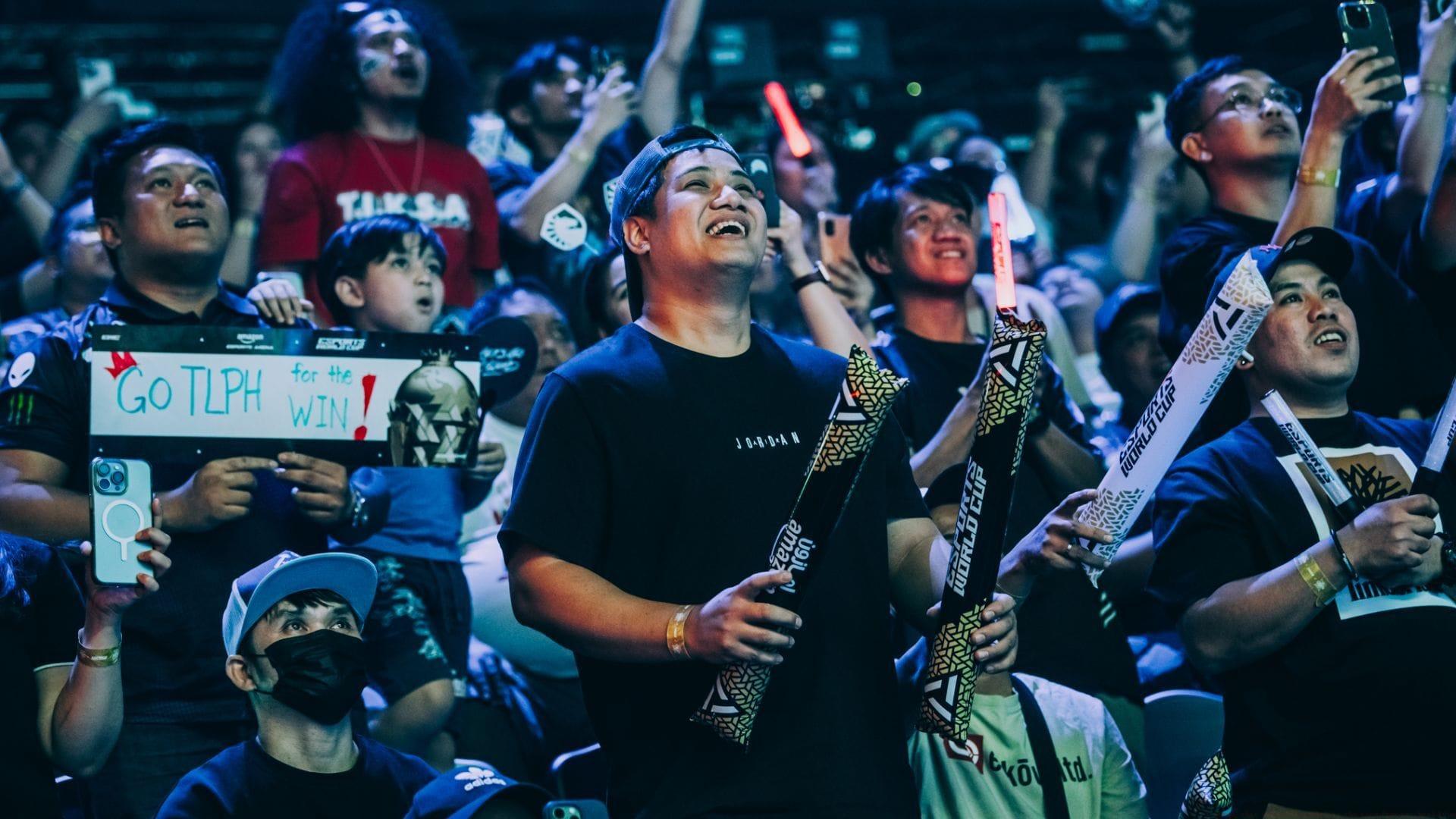
The Esports World Cup 2025 approaches its conclusion, having established itself as a landmark competitive gaming spectacle this year. With its distinctive game selection and multi-million dollar prize distribution, the tournament has successfully captured global attention across diverse gaming communities. Nevertheless, several prominent titles with substantial competitive followings remain conspicuously absent from the official lineup. These excluded games represent not merely active player bases but opportunities to introduce novel competitive dynamics and viewing experiences for future iterations of the event.
World of Warcraft: The Legacy MMORPG Contender
World of Warcraft’s competitive ecosystem has evolved over fifteen years, maintaining remarkable vitality in the modern esports arena. Premier competitions like the Arena World Championship and Mythic Dungeon International consistently deliver impressive viewer metrics while distributing substantial prize pools that attract elite competitors. The WoW community demonstrates exceptional passion and engagement levels, with dedicated fans following seasonal tournaments and content updates with unwavering enthusiasm. Incorporating this legendary MMORPG into the Esports World Cup program would introduce classical RPG elements while drawing substantial viewership from the dedicated MMORPG demographic.
From a strategic perspective, World of Warcraft offers unique competitive formats that differ significantly from current Esports World Cup titles. The Arena World Championship features intense 3v3 combat requiring precise coordination and class composition strategy, while the Mythic Dungeon International tests team coordination against sophisticated PVE challenges under extreme time pressure. These formats provide viewing variety that could attract audiences seeking alternatives to traditional shooter or MOBA competitions.
Common mistakes for organizations considering WoW esports integration include underestimating the game’s complexity for new viewers and failing to provide adequate educational content. Successful implementation requires dedicated analytical segments explaining class synergies, dungeon mechanics, and arena strategies to make the competition accessible while maintaining depth for veteran viewers.
Additional Games Deserving Spotlight
Beyond World of Warcraft, several other competitive titles present compelling cases for inclusion. The fighting game community, represented by franchises like Tekken 8 and Street Fighter 6, offers intense one-on-one competition that contrasts beautifully with team-based esports. These games feature global tournament circuits with passionate followings and would introduce classic competitive purity to the event roster.
Mobile gaming continues its explosive growth trajectory, with titles like Mobile Legends: Bang Bang and Arena of Valor commanding massive audiences in Southeast Asia and other regions. Their inclusion would acknowledge the platform’s competitive legitimacy while tapping into substantial viewer markets currently underserved by the current Esports World Cup lineup.
Regional esports strengths also merit consideration, with games like CrossFire maintaining dominance in specific markets where they outperform globally popular titles. Strategic inclusion of regionally dominant games could boost viewership in key demographic areas while demonstrating the tournament’s commitment to global esports representation beyond Western-dominated titles.
Strategic Benefits of Expanded Roster
Diversifying the game selection yields multiple strategic advantages for the Esports World Cup organization. Audience expansion remains the most immediate benefit, as different games attract distinct demographic segments that might not overlap with current title viewership. This approach mitigates the risk of audience stagnation while creating cross-promotional opportunities between gaming communities.
Long-term growth considerations favor a more inclusive game roster, as it positions the event as truly representative of the global esports landscape rather than focusing narrowly on currently trending titles. This strategy builds institutional credibility and sustainability by embracing esports diversity rather than chasing temporary popularity spikes.
The inclusion of legacy titles alongside emerging competitive games creates a balanced portfolio that honors esports history while embracing innovation. This approach satisfies veteran enthusiasts while attracting new viewers, creating a comprehensive competitive gaming spectacle that acknowledges the medium’s evolution and diversity.
Read more related articles here:
No reproduction without permission:SeeYouSoon Game Club » 5 games that should be added to the next Esports World Cup Essential esports titles that should join the World Cup lineup to enhance competitive gaming diversity