
Master Ground-type Pokemon for competitive advantage: top picks, team-building strategies, and common pitfalls to avoid.
Ground-type Pokemon: Your Ultimate Competitive Guide
Ground-type Pokemon, often underestimated, provide critical strategic advantages in competitive battles. Their unique typing offers powerful offensive coverage and valuable defensive resistances, making them essential components for any serious trainer’s team.
Building a winning team requires understanding which Ground-type Pokemon deliver the most value. From legendary powerhouses to versatile utility picks, this guide identifies the strongest species and explains how to maximize their potential.
While Ground might not seem flashy compared to Dragon or Psychic types, it provides essential coverage against five common types: Poison, Fire, Steel, Electric, and Rock. Many of the franchise’s most powerful Pokemon, including multiple legendary creatures, possess at least partial Ground typing.
The Ground category contains significant variation in quality. Unlike consistently powerful types, Ground features both elite contenders and disappointing performers. Knowing which Pokemon deliver genuine value versus those that waste team slots becomes crucial for competitive success.
Top-Tier Ground-type Pokemon Rankings (15-1)
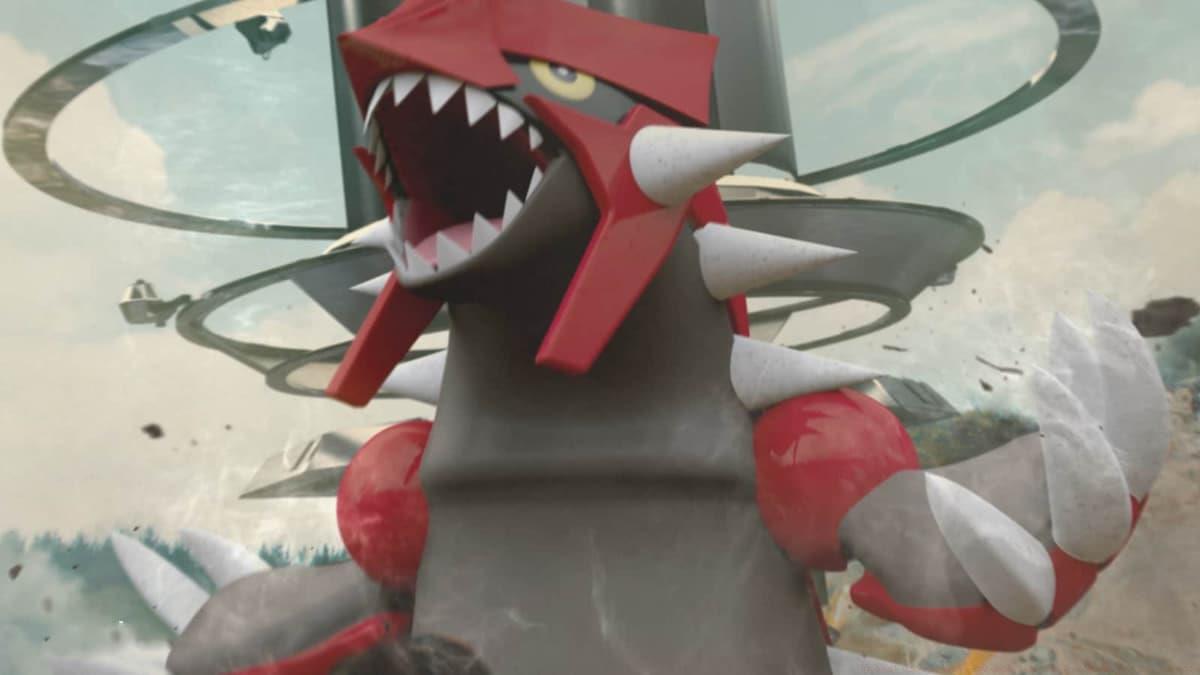 Groudon consistently claims the title of strongest Ground-type Pokemon. This legendary creature wields devastating Fire and Ground-type attacks, including the exclusive Precipice Blades and the explosive Eruption. Its Primal Reversion transformation provides massive stat boosts that elevate it to legendary status.
Below you’ll find the definitive ranking of the 15 most powerful Ground-type Pokemon throughout the franchise’s history:
Rhyperior distinguishes itself with exceptional 140 base Attack paired with substantial 130 base Defense and 115 base HP. However, its Ground/Rock dual-typing creates multiple vulnerabilities, with Water and Grass attacks dealing quadruple damage. Competitive trainers must carefully manage these weaknesses through strategic switching and team support.
Its movepool includes devastating STAB (Same-Type Attack Bonus) options like Rock Wrecker and Earthquake. Additional coverage moves such as Horn Drill and Rock Slide provide tactical flexibility. For optimal performance, pair Rhyperior with Pokemon that resist its Water and Grass weaknesses.
Steelix functions as an exceptional physical wall with its monumental 200 base Defense. Its Sturdy ability prevents one-hit knockouts from full health, providing crucial survivability. Despite a modest 85 base Attack, Steelix effectively utilizes STAB-boosted moves like Iron Tail and Earthquake.
Best Pokemon in Pokemon Go – Attacker & Defender tier list
Ghost-type Pokemon: Weaknesses & Strengths explained
Pokemon Go Regirock Raid guide: Weaknesses & best counters
Great Tusk, introduced in Generation IX, represents an ancient relative of Donphan. It boasts one of the highest Attack stats among Ground-types while serving as a formidable physical wall with 131 base Defense. This combination makes it both offensive and defensively viable.
Its move selection includes high-power options like Head Smash, Headlong Rush, and Close Combat, all delivering 120+ base power. The Fighting secondary typing provides valuable coverage against Normal, Dark, and Ice types that resist Ground attacks.
Iron Treads presents a futuristic counterpart to Donphan with impressive 112 Attack and 120 Defense. Its superior 106 Speed and Quark Drive ability distinguish it from similar Ground/Steel types. This ability boosts its highest stat when Electric Terrain is active.
Quark Drive provides strategic flexibility, allowing Iron Treads to amplify its Attack, Defense, or Speed based on team needs. It can self-activate this ability using Electric Terrain, creating immediate stat advantages without external support.
Ting-Lu, a member of the Treasures of Ruin quartet, excels as a defensive tank with 155 base HP and 125 base Defense. Its primary limitation is an extremely low 45 base Speed, making it vulnerable to faster special attackers.
The Vessel of Ruin ability reduces Special Attack for all other Pokemon, compensating for Ting-Lu’s mediocre Special Defense. This creates favorable matchups against special attackers, though trainers should beware of physical Fairy and Fighting types.
Flygon may not top power rankings, but its 100 Speed makes it among the fastest Ground-types available. Well-balanced stats prevent significant defensive vulnerabilities, while its Dragon/Ground typing provides valuable offensive coverage.
It utilizes excellent STAB moves including Dragon Claw and Earthquake. The Levitate ability grants immunity to Ground attacks—a massive advantage—and additional immunity to Electric attacks. However, its 4x weakness to Ice requires careful team support.
Ursaluna’s introduction revolutionized Ground-type viability with its massive 140 Attack combined with substantial bulk (130 HP and 105 Defense). This stat distribution creates a powerful offensive threat that can withstand counterattacks.
While Pokemon Legends: Arceus simplified battle mechanics, Ursaluna’s transition to main series games like Scarlet and Violet confirmed its competitive strength. Its Normal/Ground typing provides unique resistances to Ghost attacks while maintaining Ground’s offensive advantages.
Hippowdon offers exceptional accessibility combined with competitive viability. Its defensive bulk (108 HP and 118 Defense) withstands physical assaults, while Slack Off provides reliable recovery. This combination creates a sustainable defensive presence.
It reliably utilizes powerful Earthquake attacks while its Sand Stream ability damages non-Rock, Ground, or Steel types each turn. The primary limitation is its poor 47 Speed, requiring strategic positioning to avoid being overwhelmed by faster threats.
Mamoswine’s deceptive appearance belies its offensive specialization. While defensive stats (80 Defense, 60 Special Defense) appear mediocre, its massive 130 Attack and solid 100 HP compensate. An 80 Speed provides reasonable offensive initiative.
The Ground/Ice typing delivers exceptional offensive coverage, hitting most types for at least neutral damage. STAB-boosted moves like Earthquake, Ice Fang, and High Horsepower maximize its Attack investment. This typing also provides valuable resistances to Poison and Electric attacks.
Excadrill’s design reflects its vicious combat style, featuring a massive 135 Attack and excellent setup moves like Swords Dance. The Sand Rush ability doubles its Speed during sandstorms, reaching 176—enough to outspeed nearly all opponents.
Despite mediocre defenses (60 Defense, 65 Special Defense), it benefits from eight resistances and two immunities (Electric and Poison). It also takes only quarter damage from Ground attacks, enhancing survivability against common coverage moves.
Swampert consistently ranks among elite Ground-types due to both nostalgic appeal and competitive merit. It possesses the highest total base stats of any starter Pokemon at 535, distributed effectively across all areas except Speed (60).
Its unique Water/Ground typing provides Electric immunity and resistances to Poison, Rock, Steel, and Fire attacks. The singular Grass weakness requires management. With 110 Attack and access to devastating moves like Earthquake and Liquidation, Swampert delivers consistent offensive pressure.
Landorus represents the most versatile Forces of Nature legendary, capable of fulfilling multiple team roles effectively. Its Flying/Ground typing grants immunity to both Ground and Electric attacks, while Intimidate reduces opponents’ Attack upon entering battle.
Form flexibility provides strategic options: Therian Forme specializes in raw power with 145 Attack, while Incarnate Forme balances Special Attack and Speed. This adaptability makes Landorus valuable across various team compositions and battle formats.
Garchomp maintains fan-favorite status through both design appeal and competitive reliability. Its impressive 130 Attack and solid 102 Speed create a potent offensive threat, supported by an extensive movepool for various situations.
The Ground/Dragon typing combines offensive strengths and defensive resistances effectively. The Rough Skin hidden ability damages opponents on contact, punishing physical attackers. When equipped with Earthquake, Garchomp threatens most of the metagame.
Obtaining Zygarde’s Complete Form requires assembling Cell collectibles and reaching 50% health in battle—a challenging process yielding exceptional rewards. This form ranks among the franchise’s most powerful Pokemon, featuring exclusive signature moves and overwhelming stats.
While most stats remain consistent with other forms, Complete Form features an extraordinary 216 HP that provides immense durability. Despite losing 10 Speed points, its massive health pool compensates, making it exceptionally difficult to defeat even with 4x Ice weakness.
Groudon’s position as the premier Ground-type remains undisputed since its Generation III debut. Excellent stat distribution, powerful moveset, and Primal Reversion capability cement its legendary status. Its 150 Attack and 140 Defense create a dominant physical presence.
Primal Reversion boosts these stats further to 180 Attack, 160 Defense, and 150 Special Attack—truly legendary numbers. Its movepool includes classic STAB options like Earthquake and the more powerful (though less accurate) Precipice Blades. The Drought ability enhances Fire-type moves while creating sun-based team synergy.
Key Competitive Strategies and Role Assignment
Effective Ground-type utilization requires understanding three primary roles: physical walls (Hippowdon, Steelix), sweepers (Garchomp, Excadrill), and pivot/support (Landorus, Swampert). Each role demands different stat investments, move selections, and team support.
Successful teams typically include one dedicated Ground-type fulfilling a specific role, complemented by teammates covering Water, Grass, and Ice weaknesses. For example, pairing Swampert with a Grass-resistant Pokemon like Skarmory creates defensive synergy. Similarly, Excadrill benefits from sandstorm support from Tyranitar or Hippowdon to activate Sand Rush.
Advanced optimization involves understanding speed tiers and damage calculations. Many Ground-types possess middling Speed stats, making them vulnerable to faster threats. Strategic use of priority moves (like Aqua Jet on Swampert) or speed control (Thunder Wave, Tailwind) can mitigate this limitation.
Common Mistakes and How to Avoid Them
Sandy Cloak Wormadam and Sandygast represent the weakest Ground-type options due to limited movepools and poor statistical distributions. While Palossand gains viability through Shore Up (healing 2/3 HP), it remains niche compared to higher-tier alternatives.
Three critical errors undermine Ground-type effectiveness: First, neglecting speed control against faster Water and Grass types. Second, over-relying on Earthquake without complementary coverage moves. Third, failing to anticipate common switch-ins like Flying types or Levitate users.
Avoid these pitfalls by: 1) Including speed control options (Choice Scarf, paralysis support), 2) Teaching coverage moves like Stone Edge or Ice Beam to handle Flying types, and 3) Predicting opponent switches and using appropriate moves accordingly. Successful Ground-type play requires both statistical knowledge and psychological prediction.
This comprehensive guide provides everything needed to dominate with Ground-type Pokemon. For additional type-specific strategies, explore our related content below:
Best Water-types | Best Grass-types | Best Fighting-types | Best Psychic-types | Best Electric-types | Best Ghost-types | Best Steel-types | Best Bug-types | Best Dragon-types | Best Legendary Pokemon
No reproduction without permission:SeeYouSoon Game Club » 15 best Ground-type Pokemon ranked: Garchomp, Groudon & more Master Ground-type Pokemon for competitive advantage: top picks, team-building strategies, and common pitfalls to avoid.